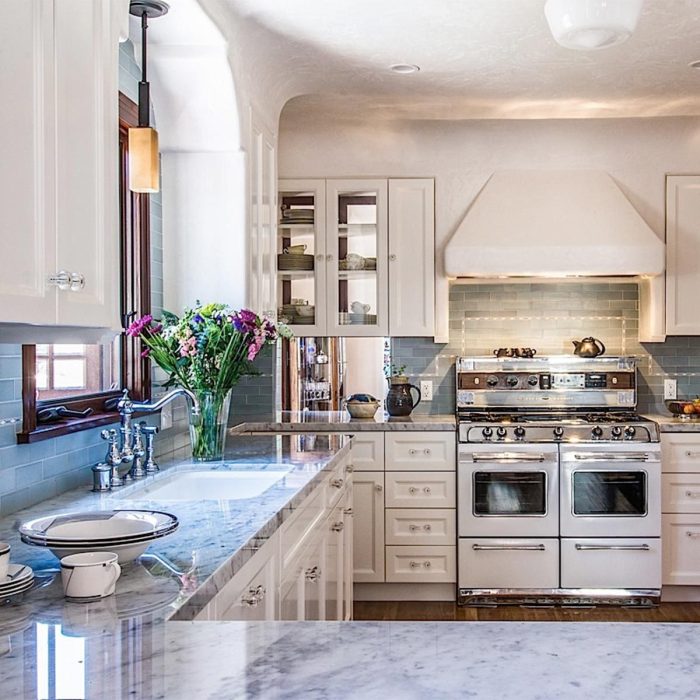
Transforming your kitchen? Kitchen cabinet renovation offers a powerful way to revitalize this central space. From planning and budgeting to choosing materials and styles, this guide navigates the entire process, helping you create a kitchen that reflects your personal style and enhances your home’s value. We’ll explore diverse cabinet styles, material options, and design considerations to empower you with the knowledge needed for a successful project.
Whether you’re aiming for a subtle refresh or a complete overhaul, understanding the stages involved, potential costs, and design choices is crucial. This comprehensive guide provides the tools and information you need to make informed decisions throughout your kitchen cabinet renovation journey.
Planning a Kitchen Cabinet Renovation
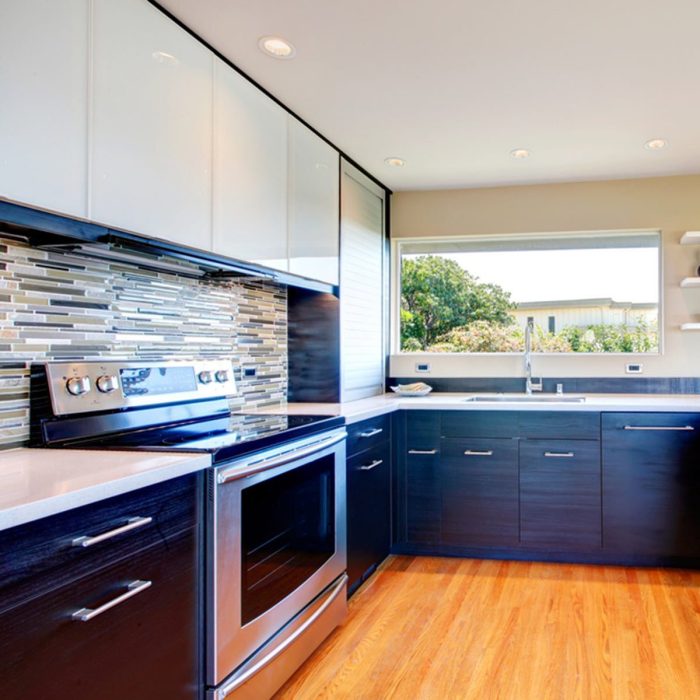
Renovating your kitchen cabinets is a significant undertaking, but with careful planning, it can transform your kitchen’s look and functionality. This section details the key stages involved, factors to consider when choosing materials, a sample budget, and various layout options for a standard-sized kitchen. Understanding these aspects will help you manage the project effectively and achieve your desired results.
Stages of a Kitchen Cabinet Renovation
A typical kitchen cabinet renovation project involves several distinct stages. First, a thorough assessment of your existing cabinets and kitchen layout is crucial. This involves measuring existing spaces, identifying any structural issues, and determining your desired style and functionality. Next comes the design phase, where you finalize the cabinet layout, choose materials, and select hardware. This is followed by the demolition of old cabinets, installation of new cabinets, and finally, finishing touches such as painting, counter installation, and backsplash work.
Careful planning during each stage ensures a smooth and efficient renovation.
Choosing Cabinet Materials
Selecting the right materials for your kitchen cabinets is a key decision influencing both aesthetics and longevity. Wood types significantly impact cost and durability. Solid wood, such as cherry, oak, or maple, offers superior quality and a classic look but comes with a higher price tag. Alternatively, more budget-friendly options include medium-density fiberboard (MDF) or plywood, which are durable and readily accept various finishes.
Finishes, such as paint, stain, or lacquer, further personalize your cabinets, offering various colors and levels of sheen. Consider the overall style of your kitchen and your lifestyle when making these selections. A high-gloss lacquer might be impractical in a busy family kitchen, while a durable paint finish might be more suitable.
Sample Budget Breakdown for Kitchen Cabinet Renovation
The cost of a kitchen cabinet renovation varies greatly depending on several factors, including the size of the kitchen, materials chosen, and labor costs. This is a sample budget for a medium-sized kitchen (approximately 100 square feet):
| Item | Cost |
|---|---|
| Cabinet Materials (MDF with painted finish) | $3,000 – $5,000 |
| Hardware (knobs, hinges) | $200 – $500 |
| Labor (installation and finishing) | $4,000 – $8,000 |
| Design fees (if applicable) | $500 – $1,500 |
| Total Estimated Cost | $7,700 – $15,000 |
Note: This is a rough estimate, and actual costs may vary significantly. It’s essential to obtain multiple quotes from reputable contractors to accurately assess the project’s cost.
Kitchen Cabinet Layout Options
Three different layout options for a standard-sized kitchen are presented below. These illustrate how different arrangements can maximize space and functionality.
| Layout Option | Description | Advantages | Disadvantages |
|---|---|---|---|
| L-Shaped Layout | Cabinets are arranged along two adjacent walls, forming an “L” shape. This is a popular choice for smaller kitchens as it maximizes corner space and creates a natural workflow. | Efficient use of corner space, good workflow | Limited counter space compared to other layouts |
| U-Shaped Layout | Cabinets are arranged along three walls, forming a “U” shape. This layout offers ample storage and counter space, ideal for larger kitchens. | Extensive storage and counter space, good for larger kitchens | Can feel cramped in smaller spaces |
| Galley Layout | Cabinets are arranged along two parallel walls, creating a narrow corridor. This layout is space-efficient and works well in smaller kitchens or hallways. | Space-efficient, good for smaller kitchens | Limited counter space, can feel confined |
Cabinet Styles and Designs
Choosing the right cabinet style is a crucial decision in any kitchen renovation. The style significantly impacts the overall aesthetic, functionality, and even the perceived size of your kitchen. Understanding the differences between popular styles and how to incorporate them effectively is key to achieving your desired look and feel.
Cabinet Style Comparison: Shaker, Slab, and Raised Panel
The selection of cabinet style significantly influences the kitchen’s visual appeal and functionality. Three prevalent styles—Shaker, slab, and raised panel—offer distinct aesthetic qualities and practical considerations. The following table compares these styles:
| Feature | Shaker | Slab | Raised Panel |
|---|---|---|---|
| Door Style | Simple, flat center panel framed by a recessed border | Completely flat, minimalist design | Features a raised central panel, often with decorative molding |
| Visual Appeal | Clean, classic, and versatile; works well in both traditional and modern kitchens | Sleek, modern, and contemporary; ideal for minimalist designs | Traditional and elegant; adds a sense of formality and sophistication |
| Durability | Durable and relatively easy to maintain | Durable and easy to clean; fingerprints are less noticeable | Can be durable depending on construction; intricate molding might require more care |
| Cost | Mid-range in cost | Generally less expensive than raised panel | Typically more expensive due to intricate detailing |
Impact of Cabinet Hardware on Kitchen Design
Cabinet hardware—knobs and pulls—plays a surprisingly significant role in the overall kitchen design. The choice of hardware can dramatically alter the feel, from modern and minimalist to traditional and ornate. For instance, sleek, minimalist bar pulls suit contemporary kitchens with slab doors, while ornate cup pulls or knobs enhance the elegance of a traditional kitchen with raised panel cabinets.
Consider the scale of the hardware relative to the cabinet size; oversized hardware on small cabinets can look disproportionate, while tiny hardware on large cabinets can seem insignificant.
Influence of Cabinet Color and Finish on Kitchen Mood
Cabinet color and finish significantly influence the kitchen’s atmosphere. Light-colored cabinets, such as white or cream, create a bright, airy, and spacious feel, ideal for smaller kitchens. Darker colors, such as navy or espresso, add drama and sophistication, making a statement in larger spaces. A high-gloss finish reflects light, amplifying brightness and making the kitchen appear larger, while a matte finish provides a more subdued, textured look.
For example, a white shaker cabinet with a matte finish provides a clean and classic feel, while dark gray slab cabinets with a high-gloss finish create a modern and sophisticated atmosphere.
Kitchen Cabinet System: Open Shelving and Closed Cabinets
This design incorporates both open shelving and closed cabinets to balance functionality and visual appeal. The base cabinets will be a mix of closed cabinets for storage of less frequently used items and open shelving to display cookbooks, decorative items, and frequently used dishes. The upper cabinets will consist primarily of closed cabinets to maximize storage and maintain a clean look, but a section of open shelving above the countertop will display selected items, acting as a visual focal point.
The open shelving will be strategically placed to maintain a balance with the closed cabinets, avoiding a cluttered appearance. The color scheme will feature light-colored cabinets (e.g., off-white) for the closed cabinets and a contrasting darker wood for the open shelving, adding visual interest. This combination provides ample storage while showcasing selected items, creating a dynamic and functional kitchen space.
Materials and Finishes for Kitchen Cabinets
Choosing the right materials and finishes for your kitchen cabinets is a crucial decision impacting both the aesthetics and longevity of your renovation. The selection will depend on your budget, desired style, and the level of maintenance you’re willing to undertake. This section explores the various options available, outlining their advantages and disadvantages.
Cabinet Material Comparison: Solid Wood, Plywood, MDF, and Laminate
Solid wood, plywood, MDF (medium-density fiberboard), and laminate each offer unique properties affecting durability, cost, and appearance. Solid wood, such as oak or cherry, provides a luxurious look and feel, but is more expensive and susceptible to warping or damage from moisture. Plywood, constructed from layers of wood veneer, offers greater stability and resistance to moisture than solid wood, at a more moderate price point.
MDF, a manufactured wood product, is dense and smooth, making it ideal for painting, but less durable than wood and susceptible to moisture damage if not properly sealed. Laminate, a synthetic material, is the most budget-friendly option, highly durable and water-resistant, but lacks the natural warmth of wood.
Durable and Aesthetically Pleasing Cabinet Finishes
Cabinet finishes significantly influence the overall look and feel of your kitchen. Paints offer a wide range of colors and finishes, from high-gloss to matte, providing excellent durability and easy cleaning. Stains, on the other hand, enhance the natural grain of the wood, offering a more rustic or traditional aesthetic. However, stains require more maintenance to protect against scratches and water damage.
Veneers, thin layers of wood glued onto a substrate, provide a cost-effective way to achieve the look of expensive wood species. A high-quality polyurethane finish is crucial for protecting any of these finishes from wear and tear.
Maintenance Requirements for Different Cabinet Materials and Finishes
Regular cleaning is essential for all cabinet materials and finishes. Solid wood cabinets may require occasional refinishing to address scratches or water damage. Plywood cabinets generally require less maintenance, while MDF cabinets need careful sealing to prevent moisture absorption. Laminate cabinets are the most low-maintenance, requiring only regular wiping. Painted finishes are generally easier to clean than stained finishes, which may require more specialized cleaning products.
Veneers require careful handling to avoid scratching or chipping.
Guide to Selecting Cabinet Hardware
Choosing the right cabinet hardware can significantly enhance the overall design. The style and finish of the hardware should complement the cabinet style and finish.
- Traditional Cabinets (Solid Wood, Stain Finish): Consider knobs and pulls with ornate details, such as those made of brass, bronze, or brushed nickel.
- Modern Cabinets (MDF, Painted Finish): Sleek, minimalist hardware, such as bar pulls or cup pulls in stainless steel or matte black, creates a clean and contemporary look.
- Transitional Cabinets (Plywood, Painted or Veneer Finish): Opt for hardware that blends traditional and modern elements, such as knobs with simple designs or pulls with subtle curves, in finishes like oil-rubbed bronze or brushed nickel.
- Consider the scale of the hardware: Larger knobs and pulls work well on larger cabinets, while smaller ones are suitable for smaller cabinets.
- Match the metal finish: Choose hardware with a metal finish that complements other metal fixtures in the kitchen, such as faucets and appliances.
Kitchen Renovation Considerations (Beyond Cabinets)
A successful kitchen renovation involves much more than just new cabinets. Careful consideration of several interconnected elements ensures a functional and aesthetically pleasing space that meets your needs and enhances your home’s value. Overlooking these crucial aspects can lead to a less-than-ideal outcome, impacting both the beauty and practicality of your renovated kitchen.
Key Factors Beyond Cabinetry
Planning a full kitchen renovation requires looking beyond the cabinets themselves. Three key factors significantly influence the overall project success: appliance selection, plumbing and electrical work, and overall kitchen layout. The interplay of these elements with cabinet design determines the final functionality and aesthetic appeal of the space. Poor planning in any of these areas can compromise the entire project.
Cabinet Design and Kitchen Workflow
The design of your kitchen cabinets directly impacts the efficiency of your workflow. Well-designed cabinets optimize storage, minimize wasted space, and create a logical flow for food preparation and cleanup. For instance, placing frequently used items within easy reach in lower cabinets and less-used items higher up is a simple but effective strategy. Similarly, incorporating pull-out shelves and drawers maximizes accessibility and minimizes reaching and bending.
Consideration should be given to the placement of appliances in relation to the cabinet layout to streamline the cooking process. A poorly planned workflow can lead to frustration and inefficiency in the kitchen.
Lighting Choices to Enhance Cabinets
Appropriate lighting significantly enhances both the appearance and functionality of kitchen cabinets. Layered lighting is key: under-cabinet lighting illuminates countertops and workspaces, preventing shadows and improving visibility. Recessed lighting provides general illumination, while pendant lights over islands or breakfast bars add ambiance and style. Task lighting, such as adjustable spotlights, can be focused on specific areas, such as a prep zone or a display of attractive dishware.
The color temperature of the lighting also matters; warmer tones create a cozy atmosphere, while cooler tones provide a more energetic feel. The right lighting can highlight the beauty of the cabinetry’s materials and finishes, while poor lighting can diminish their impact.
Backsplashes and Countertops Complementing Cabinet Styles
The backsplash and countertop choices significantly influence the overall aesthetic and functionality of the kitchen, complementing the cabinet style.
Example 1: Shaker Cabinets with a Subway Tile Backsplash and Quartz Countertops
Classic shaker cabinets, known for their simple, clean lines, pair beautifully with a timeless subway tile backsplash. Imagine a white or light gray subway tile, laid in a traditional running bond pattern, creating a clean and crisp backdrop. Complementing this classic look, a sleek quartz countertop in a neutral color like white or a light gray adds a touch of modern sophistication while maintaining the overall clean aesthetic.
The quartz provides durability and easy maintenance.
Example 2: Modern Slab-Door Cabinets with a Glass Tile Backsplash and Granite Countertops
Sleek, modern slab-door cabinets, often featuring minimalist hardware or no hardware at all, benefit from a more contemporary backsplash. Consider a glass tile backsplash in shades of gray or blue, creating a subtle shimmer and reflecting light. A granite countertop in a darker color, such as black or deep gray, offers a striking contrast and adds a touch of luxury.
The granite’s natural veining adds visual interest, complementing the clean lines of the cabinets.
Example 3: Traditional Raised-Panel Cabinets with a Stone Mosaic Backsplash and Marble Countertops
Traditional raised-panel cabinets, characterized by their ornate detailing and rich wood tones, demand a backsplash and countertop that reflect their elegance. A stone mosaic backsplash, perhaps in a warm earth tone or featuring a subtle pattern, adds texture and visual interest. Complementary marble countertops, known for their luxurious appearance and cool tones, create a cohesive and sophisticated look.
The veining in the marble can be selected to harmonize or contrast with the wood tones of the cabinets.
Budgeting and Cost Estimation for Kitchen Renovation
Renovating your kitchen cabinets is a significant investment, and careful budgeting is crucial for a successful project. Understanding the potential costs involved, from materials to labor, will help you plan effectively and avoid unexpected expenses. This section will Artikel realistic cost ranges, strategies for cost savings, and a checklist of expenses to consider.
Realistic Cost Range for Kitchen Cabinet Renovation
The cost of a kitchen cabinet renovation varies significantly depending on several factors, including the size of your kitchen, the type of cabinets you choose (stock, semi-custom, or custom), the materials used (wood species, finishes), and the complexity of the installation. A small kitchen with a simple stock cabinet replacement might cost between $5,000 and $15,000, while a larger kitchen with custom cabinets and high-end finishes could easily exceed $30,000 or even $50,000.
For example, a medium-sized kitchen (approximately 100 square feet) with semi-custom cabinets made of maple wood and a medium-grade finish could cost around $15,000 to $25,000. This price range includes both materials and labor.
Calculating the Cost of Labor for Kitchen Cabinet Renovation
Labor costs represent a substantial portion of the overall renovation budget. Contractors typically charge by the hour or per cabinet, with hourly rates ranging from $50 to $150 or more, depending on their experience and location. For example, a contractor charging $75 per hour who spends 20 hours on a cabinet installation would charge $1500 in labor costs.
The total labor cost will depend on the complexity of the job; custom installations, removal of existing cabinets, and any necessary modifications to walls or plumbing will all increase the labor time and associated costs. It is advisable to obtain multiple quotes from different contractors to compare labor costs.
Strategies for Saving Money During a Kitchen Cabinet Renovation
Several strategies can help you save money during your kitchen cabinet renovation. Consider refacing your existing cabinets instead of replacing them entirely; this can significantly reduce costs. Choosing less expensive materials, such as medium-density fiberboard (MDF) instead of solid wood, can also lower the overall expense. Opting for stock cabinets over semi-custom or custom cabinets will be more budget-friendly.
Finally, tackling some of the simpler tasks yourself, such as demolition or painting, can save on labor costs, but only if you have the necessary skills and time.
Checklist of Expenses to Consider When Budgeting for a Kitchen Renovation Project
Thorough planning is key to avoiding cost overruns. Here’s a checklist of expenses you should include in your budget:
- Cabinet materials (wood type, finish, hardware)
- Cabinet installation labor
- Demolition and disposal of old cabinets
- Plumbing and electrical work (if necessary)
- Countertop materials and installation
- Backsplash materials and installation
- Painting or other wall finishes
- Permits and inspections
- Project management fees (if applicable)
- Unexpected expenses (a contingency fund of 10-20% is recommended)
Ultimately, a successful kitchen cabinet renovation hinges on careful planning, informed material selection, and a clear vision of your desired outcome. By considering the factors discussed—from budget and style to functionality and maintenance—you can confidently embark on this transformative project. The result? A beautiful, functional, and personalized kitchen that you’ll enjoy for years to come.
FAQ Insights
How long does a kitchen cabinet renovation typically take?
The timeframe varies greatly depending on project scope, but expect anywhere from a few weeks to several months.
Can I renovate my kitchen cabinets myself?
While DIY is possible for simpler projects like refacing, complete renovations often require professional expertise for optimal results.
What is the average cost per cabinet for renovation?
Costs depend heavily on materials and labor. Expect a wide range, from a few hundred to several thousand dollars per cabinet.
How do I choose the right cabinet hardware?
Consider your kitchen style and cabinet design. Hardware should complement, not clash, with the overall aesthetic.
What are some common mistakes to avoid during a kitchen cabinet renovation?
Poor planning, inadequate budgeting, and neglecting to account for unforeseen issues are frequent pitfalls.


