
Transforming a kitchen from drab to fab often hinges on the seemingly small detail: the backsplash. This unassuming area, situated between countertops and cabinets, presents a unique opportunity to inject personality, style, and functionality into the heart of your home. From sleek minimalist designs to rustic farmhouse charm, the possibilities are as diverse as the materials themselves. This guide explores the myriad options available, helping you navigate the choices and ultimately select the perfect backsplash to complement your kitchen’s aesthetic and enhance its overall appeal.
We’ll delve into popular materials like ceramic tile, glass, marble, and metal, weighing their pros and cons, maintenance needs, and suitability for various design styles. We’ll also cover installation techniques, budget-friendly alternatives, and the crucial role of lighting in showcasing your chosen backsplash. By the end, you’ll be equipped to confidently embark on your kitchen backsplash journey, armed with the knowledge and inspiration to create a truly stunning focal point.
Popular Backsplash Materials
Choosing the right backsplash material is crucial for both the aesthetic appeal and the longevity of your kitchen. The material you select should complement your existing décor while also withstanding the daily wear and tear of cooking and cleaning. Consider factors like durability, maintenance, and overall style when making your decision.
Ceramic Tile Backsplashes
Ceramic tile remains a popular choice for backsplashes due to its affordability and versatility. It’s available in a vast array of colors, patterns, and finishes, allowing for considerable design flexibility. However, ceramic tile is relatively porous, making it susceptible to staining and water damage if not properly sealed. Grout lines, while adding character, can also be difficult to clean and maintain, potentially harboring grime and mildew.
The durability of ceramic tile varies depending on its thickness and quality; thinner tiles are more prone to chipping or cracking under impact.
Glass, Marble, and Metal Backsplash Comparison
Glass, marble, and metal offer distinct advantages and disadvantages. Glass backsplashes are known for their sleek, modern appearance and ease of cleaning. They are non-porous and resistant to staining, but can be more expensive than ceramic tile and are prone to chipping if subjected to heavy impacts. Marble, a natural stone, brings a luxurious and timeless feel to a kitchen.
However, it is relatively porous and requires regular sealing to prevent staining. Its susceptibility to etching from acidic substances like lemon juice is also a significant drawback. Metal backsplashes, such as stainless steel, offer durability and a contemporary look. They are easy to clean and resistant to heat and moisture, but can show fingerprints and scratches easily, requiring frequent polishing to maintain their shine.
Maintenance Requirements for Various Backsplash Materials
Natural stone backsplashes, including marble, granite, and slate, require periodic sealing to protect them from stains and water damage. The frequency of sealing depends on the specific stone and the level of use in the kitchen; generally, resealing every one to three years is recommended. Regular cleaning with a pH-neutral cleaner is crucial to prevent etching and discoloration.
Stainless steel backsplashes are relatively low-maintenance, requiring only regular wiping with a soft cloth and a mild detergent. Avoid abrasive cleaners, which can scratch the surface. For glass backsplashes, a simple wipe-down with a damp cloth is usually sufficient. Stubborn stains can be addressed with a glass cleaner.
Modern Kitchen Backsplash Designs
Below are three examples of modern kitchen backsplash designs utilizing different materials:
- Design 1: Sleek and Minimalist
-A full-height stainless steel backsplash creates a clean, contemporary look. The stainless steel’s reflective surface enhances the sense of space and complements modern cabinetry. A simple, linear design emphasizes the material’s inherent beauty. - Design 2: Textured and Earthy
– A backsplash featuring large, rectangular marble tiles in a warm, neutral tone offers a sophisticated and natural feel. The subtle veining in the marble adds visual interest without being overpowering. This design works well with rustic or transitional kitchen styles. - Design 3: Bold and Geometric
– A mosaic backsplash crafted from small, square glass tiles in vibrant colors creates a focal point in the kitchen. The geometric pattern adds dynamism and personality, complementing a modern or eclectic design scheme. The glass tiles’ easy maintenance ensures practicality.
Backsplash Styles and Designs
Choosing the right backsplash style can significantly impact the overall look and feel of your kitchen. The style you select should complement your existing cabinetry, countertops, and overall design aesthetic. Consider factors like the size of your kitchen, the amount of natural light, and your personal preferences when making your decision. A well-chosen backsplash can elevate a kitchen from ordinary to extraordinary.
Farmhouse Backsplash Styles
Farmhouse style backsplashes evoke a sense of rustic charm and warmth. They often feature natural materials like subway tiles, brick, or stone, often in neutral colors such as white, cream, or beige. These materials are frequently arranged in classic patterns like running bond or herringbone. Distressed finishes or variations in color can add to the authentic farmhouse feel.
A farmhouse backsplash might incorporate decorative elements like metal accents or beadboard for added visual interest. Imagine a white subway tile backsplash with a dark grout line, creating a clean yet slightly aged appearance, perfectly complementing a wooden countertop and shaker-style cabinets.
Contemporary Backsplash Styles
Contemporary backsplashes prioritize clean lines, minimalist designs, and a sense of modern sophistication. Materials such as large-format tiles, glass tiles, or sleek metallics are commonly used. Color palettes are often monochromatic or feature bold, contrasting colors. Geometric patterns, such as repeating squares or triangles, are frequently employed, or a completely solid color might be chosen for a truly minimalist look.
A contemporary kitchen might feature a backsplash of large, dark grey porcelain tiles, creating a dramatic backdrop for white cabinets and stainless steel appliances.
Minimalist Backsplash Styles
Minimalist backsplashes focus on simplicity and functionality. They often feature a single, solid-colored material, such as a light-colored marble or a neutral-toned ceramic tile. The goal is to create a clean, uncluttered look that doesn’t compete with other elements in the kitchen. Patterns and textures are generally avoided in favor of a smooth, unblemished surface. A minimalist backsplash might consist of a single shade of white or light grey tiles, creating a subtle yet sophisticated background for a modern kitchen.
Backsplash Designs Incorporating Patterns and Textures
The incorporation of patterns and textures adds depth and visual interest to a backsplash. Subtle patterns, such as a subtle wave or a linear design, can add a touch of elegance without being overwhelming. More prominent patterns, such as intricate mosaics or geometric designs, can become a focal point of the kitchen. Textures, such as the rough surface of a natural stone or the glossy sheen of glass tiles, can also add visual appeal and tactile interest.
For example, a backsplash featuring a patterned mosaic of small, colorful tiles can create a vibrant and eye-catching focal point. Alternatively, a backsplash made of textured stone tiles can add a rustic and natural feel.
Using Color and Contrast to Create Visually Appealing Backsplashes
Color and contrast play a crucial role in creating visually appealing backsplashes. A monochromatic color scheme, using varying shades of a single color, can create a calming and sophisticated atmosphere. Conversely, a high-contrast color scheme, using complementary or contrasting colors, can create a more dramatic and energetic look. The color of the backsplash should complement the overall color scheme of the kitchen, but it can also be used to create a focal point or to highlight specific features.
A backsplash with a bold color, such as a deep blue or emerald green, can create a dramatic contrast against neutral-colored cabinets and countertops.
Comparison of Backsplash Design Styles and Material Choices
| Design Style | Material Choices | Color Palette | Pattern/Texture |
|---|---|---|---|
| Farmhouse | Subway tile, brick, stone, beadboard | Neutral (white, cream, beige) | Running bond, herringbone, distressed finishes |
| Contemporary | Large-format tiles, glass tiles, metallics | Monochromatic, bold contrasts | Geometric patterns, solid colors |
| Minimalist | Solid-colored ceramic or marble tiles | Light neutrals (white, grey, beige) | Smooth, unblemished surfaces |
Backsplash Installation Methods
Installing a backsplash can significantly enhance your kitchen’s aesthetic appeal and protect your walls from splashes and spills. The process, while potentially demanding, is achievable with careful planning and execution. This section details the steps involved in installing different backsplash materials, highlighting key considerations for success.
Ceramic Tile Backsplash Installation
Installing a ceramic tile backsplash involves several steps. First, prepare the surface by cleaning it thoroughly and ensuring it’s level and free from loose debris. Next, apply a thinset mortar to the wall using a notched trowel, creating ridges that will provide adequate adhesion for the tiles. Then, carefully press the tiles into the mortar, ensuring they’re evenly spaced and aligned.
Use spacers to maintain consistent grout lines. Once the mortar has set, apply grout to fill the spaces between the tiles, removing excess grout with a damp sponge. Finally, seal the grout to protect it from stains and moisture. This process requires patience and attention to detail for a professional finish.
Tools and Materials for Backsplash Installation
Successful backsplash installation relies on having the right tools and materials. Essential tools include a measuring tape, level, pencil, notched trowel, grout float, sponge, and tile cutter (or wet saw for larger tiles). Necessary materials comprise thinset mortar, grout (matching tile color), tile spacers, backer board (in most cases), and of course, the tiles themselves. Safety equipment such as safety glasses and gloves are also crucial for protecting yourself during the installation process.
Consider investing in a wet saw for cutting larger or more intricate tile shapes, which ensures clean cuts and minimizes chipping.
Glass and Stone Backsplash Installation Methods Compared
Glass and stone backsplashes offer distinct installation challenges. Glass tiles, typically lighter and more delicate, often require a more precise application of thinset mortar to prevent breakage. The smooth surface also requires careful attention to ensure even grout application. Stone tiles, such as marble or granite, are heavier and may require stronger adhesive, possibly a modified thinset designed for heavier materials.
Cutting stone tiles often requires specialized tools and expertise to avoid cracking or chipping. Both materials necessitate meticulous planning and precise execution to achieve a seamless and aesthetically pleasing result. While glass installation prioritizes precision and delicate handling, stone installation focuses on strength and proper support.
Common Mistakes to Avoid During Backsplash Installation
Several common mistakes can compromise the final look and longevity of your backsplash. Failing to properly prepare the wall surface is a frequent error; uneven surfaces can lead to uneven tile placement and poor adhesion. Using the wrong type of mortar for your tile material can also cause issues; using a mortar unsuitable for the weight or material of the tile will lead to cracking or falling tiles.
Incorrectly mixing grout or applying it unevenly can result in unattractive and inconsistent grout lines, susceptible to cracking or staining. Finally, neglecting to seal the grout leaves it vulnerable to staining and water damage, compromising its durability and aesthetic appeal. Careful planning, the right tools, and meticulous execution will minimize these risks.
Budget-Friendly Backsplash Options
Creating a stunning kitchen backsplash doesn’t require breaking the bank. Many affordable materials offer both style and durability, allowing homeowners to achieve a high-end look without the high-end price tag. This section explores budget-friendly options, DIY projects, and a sample budget plan for a small kitchen backsplash.
Affordable Backsplash Materials
Several materials provide a cost-effective yet stylish backsplash solution. These options often require less specialized installation, further reducing overall project expenses. Consider the following:
- Subway Tile: While ceramic subway tile can be pricey, budget-friendly alternatives exist in porcelain or even painted ceramic tiles. These offer a classic look at a fraction of the cost of higher-end options. A simple white subway tile can create a clean, timeless aesthetic, while colored options offer a pop of personality.
- Painted Metal Sheets: Galvanized steel or aluminum sheets, readily available at hardware stores, can be painted in various colors and patterns to create a unique industrial or farmhouse-style backsplash. This method is remarkably inexpensive and allows for considerable customization.
- Glass Tiles: While some glass tiles can be expensive, smaller, less ornate options, or even mosaic sheets of glass tile, can be surprisingly affordable and offer a shimmering, modern look. Consider using them as an accent rather than covering the entire backsplash area to maximize cost savings.
- Peel-and-Stick Tiles: These offer an incredibly easy DIY solution. While not as durable as traditional tile, they are perfect for renters or those seeking a temporary or easily replaceable option. The variety of styles and patterns available ensures a stylish result.
Creative Uses of Inexpensive Materials
Beyond standard materials, creativity can significantly impact the final cost and visual appeal. Exploring unconventional materials allows for a truly unique backsplash.
- Recycled Materials: Broken china or ceramic pieces can be arranged and grouted to create a stunning mosaic backsplash. This offers a personalized touch and utilizes materials that would otherwise be discarded. The result is a truly unique, one-of-a-kind backsplash.
- Cork: Cork tiles are inexpensive, readily available, and offer a natural, textured look. They are easy to install and create a warm, inviting atmosphere, perfect for kitchens with a rustic or modern farmhouse aesthetic.
- Beadboard: Painted beadboard paneling provides a classic, clean look, especially in kitchens with a traditional or cottage style. It’s easy to install and can be painted to complement any color scheme.
DIY Backsplash Projects to Save Money
Many backsplash projects can be successfully tackled by DIY enthusiasts, significantly reducing labor costs.
- Peel-and-Stick Tile Installation: This is arguably the easiest DIY project, requiring minimal tools and skills. The ease of installation makes it ideal for beginners.
- Painted Metal Sheet Installation: This project requires basic cutting and painting skills, but the final result is visually striking and relatively inexpensive. The metal sheet’s durability also ensures longevity.
- Mosaic Tile Installation: While more time-consuming, creating a mosaic backsplash from recycled materials provides a highly personalized and cost-effective solution. The process, though requiring patience, offers a great sense of accomplishment.
Budget-Friendly Backsplash Plan for a Small Kitchen
Let’s consider a small kitchen (approximately 4ft x 2ft backsplash area) using painted metal sheets.
| Material | Quantity | Cost per Unit | Total Cost |
|---|---|---|---|
| Galvanized Steel Sheet | 1 | $20 | $20 |
| Paint (2 coats) | 1 quart | $15 | $15 |
| Grout | 1 tube | $8 | $8 |
| Adhesive | 1 tube | $5 | $5 |
| Caulk | 1 tube | $4 | $4 |
| Total | $52 |
This plan demonstrates that a stylish and durable backsplash can be achieved for under $60, even for a small kitchen. Remember, prices may vary depending on location and retailer. This is a rough estimate, but it showcases the potential for significant cost savings with careful planning and DIY efforts.
Kitchen Renovation Considerations Related to Backsplashes
The backsplash, often overlooked, plays a surprisingly significant role in the overall success of a kitchen renovation. Its impact extends far beyond mere aesthetics; a well-chosen backsplash can unify the design, enhance functionality, and even increase the perceived value of the space. Careful consideration of its relationship to other design elements is crucial for achieving a cohesive and visually appealing kitchen.
Backsplash Impact on Overall Kitchen Design
The backsplash acts as a visual bridge between the countertops and upper cabinets, tying the entire kitchen design together. A bold backsplash can become a focal point, drawing the eye and adding personality. Conversely, a more subtle backsplash can create a sense of calm and continuity, allowing other elements to take center stage. The color, pattern, and material of the backsplash all contribute to the overall mood and style of the kitchen.
For example, a sleek, minimalist glass backsplash in a neutral tone would complement a modern kitchen design, while a vibrant mosaic tile backsplash could add a touch of bohemian flair to a more eclectic space.
Relationship Between Backsplash and Other Kitchen Elements
Selecting a backsplash requires careful consideration of existing and planned kitchen elements. The backsplash should complement the countertops and cabinetry, creating a harmonious palette. For instance, a dark granite countertop might pair well with a light-colored subway tile backsplash to avoid overwhelming the space visually. Similarly, light-colored cabinets might benefit from a backsplash with a bit more texture or color to add visual interest.
The materials should also be considered; a natural stone countertop might look best with a similarly textured backsplash, while a sleek, modern countertop might prefer a clean, minimalist backsplash.
Selecting a Backsplash to Complement Existing Kitchen Style
The existing kitchen style serves as the foundation for backsplash selection. A traditional kitchen might benefit from a classic subway tile or a patterned ceramic tile. A farmhouse kitchen could incorporate a rustic brick or a natural stone backsplash. A modern kitchen might prefer a sleek glass or metal backsplash, or perhaps a simple, geometric tile pattern. The key is to maintain consistency; a clashing backsplash will disrupt the overall aesthetic.
For example, a brightly colored, patterned backsplash would feel jarring in a minimalist kitchen with neutral-toned cabinets and countertops.
Integrating a Backsplash into a Complete Kitchen Renovation Plan
The design process for incorporating a backsplash into a kitchen renovation typically begins with defining the overall style and theme of the kitchen. This includes considering the existing elements such as cabinets and flooring, and then selecting a backsplash that complements these features. Next, the materials are chosen, keeping in mind budget constraints and the desired aesthetic. Measurements are taken, and the installation method is determined.
A detailed plan is then created, including material specifications, installation procedures, and a timeline. Finally, the installation is completed, followed by a thorough inspection to ensure proper alignment and functionality. A successful integration requires meticulous planning and attention to detail, ensuring the backsplash enhances the overall kitchen design rather than detracting from it. For instance, a homeowner renovating a 1950s ranch-style kitchen might opt for a retro-inspired backsplash of colorful ceramic tiles to complement the era-appropriate cabinetry and appliances.
Backsplash and Lighting
The right lighting can dramatically enhance the beauty and functionality of your kitchen backsplash, transforming a simple design element into a stunning focal point. Careful consideration of lighting placement and type can highlight the texture, color, and details of your chosen backsplash material, creating a warm and inviting atmosphere. Conversely, poor lighting can wash out colors, obscure intricate patterns, and leave your backsplash looking dull and uninspired.Lighting affects the appearance of a backsplash by influencing the perception of color, texture, and depth.
A warm-toned light source, for example, can emphasize the richness of a dark marble backsplash, while cool lighting might highlight the subtle variations in a light-colored ceramic tile. The angle of the light also plays a crucial role; strategically placed lighting can accentuate raised textures or create interesting shadows that add depth and visual interest. Conversely, harsh overhead lighting can flatten the appearance of a backsplash, diminishing its visual appeal.
Lighting Ideas for Backsplash Designs
Effective backsplash lighting involves a multi-faceted approach, often combining ambient, task, and accent lighting to achieve the desired effect. Ambient lighting provides general illumination for the entire kitchen, while task lighting focuses directly on the workspace, illuminating the counter and sink area. Accent lighting, on the other hand, is used to highlight specific features of the backsplash itself, drawing attention to its unique qualities.
A well-balanced combination of these three types of lighting creates a functional and aesthetically pleasing kitchen environment.
Types of Lighting Fixtures for Backsplashes
Several lighting fixture types are well-suited for backsplash illumination. Under-cabinet lighting is a popular choice, providing excellent task lighting while also subtly illuminating the backsplash below. Puck lights, small recessed fixtures, can be strategically placed to highlight specific areas or patterns on the backsplash. LED strip lights offer a versatile and energy-efficient solution, easily adaptable to various backsplash designs and easily concealed for a clean look.
For a more dramatic effect, consider integrated LED backlighting within the backsplash itself, creating a soft, ambient glow. Finally, pendant lights hung above the counter can serve as both ambient and accent lighting, depending on their style and placement.
Kitchen Layout Demonstrating Lighting Impact
Imagine a kitchen with a backsplash made of textured, dark grey slate tiles. With only overhead fluorescent lighting, the slate appears flat and somewhat drab. The texture is lost, and the rich grey tones appear muted. Now, let’s add under-cabinet LED strip lighting, casting a warm white glow upwards. The texture of the slate becomes immediately apparent, and the dark grey now appears deeper and more luxurious.
Adding several small puck lights strategically positioned to highlight a particularly interesting pattern or section of the backsplash further enhances the visual appeal. Finally, a single, elegant pendant light above the counter adds a touch of ambient lighting, completing the look and creating a warm and inviting atmosphere. This transformation illustrates how strategic lighting choices can elevate a backsplash from merely functional to a striking design element.
Illustrative Examples of Backsplashes
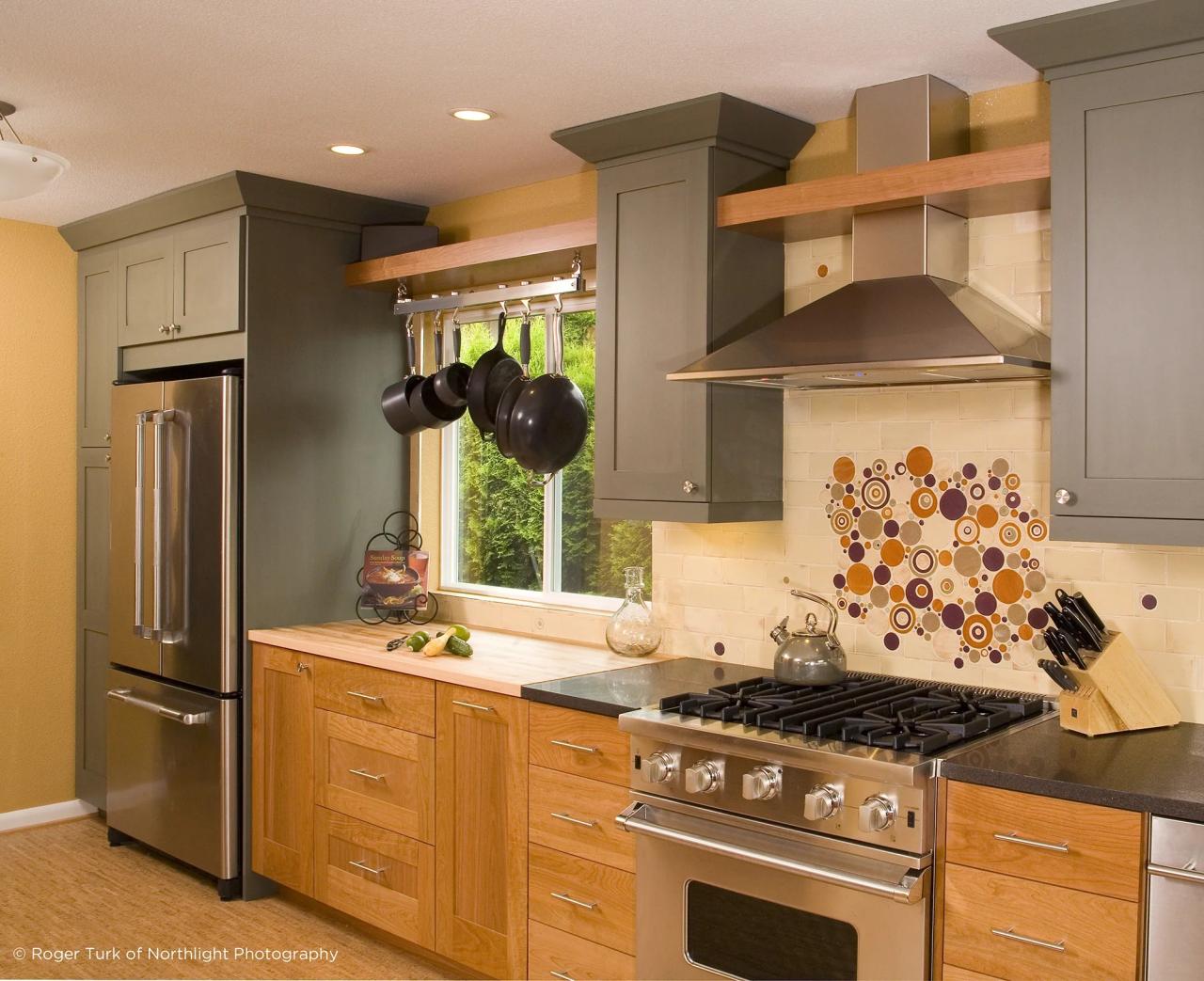
Choosing the right backsplash can significantly elevate your kitchen’s aesthetic appeal and functionality. The following examples showcase diverse design approaches, highlighting the versatility of backsplash materials and styles.
Geometric Ceramic Tile Backsplash
This design features a bold geometric pattern created using 4×4 inch ceramic tiles in a vibrant color scheme. Imagine a striking combination of deep teal, sunny yellow, and crisp white tiles arranged in a staggered, chevron pattern. The contrast between the colors creates a dynamic visual effect, while the geometric pattern adds a modern touch. A contrasting charcoal gray grout further emphasizes the pattern and provides a clean, defined look.
This backsplash would be particularly suitable for a contemporary or mid-century modern kitchen.
Natural Stone and Metallic Accents Backsplash
This backsplash design incorporates the natural beauty of honed marble slabs in a creamy beige hue, complemented by linear metallic accents. The subtle veining of the marble provides a sophisticated texture, while the brushed stainless steel strips, strategically placed between the marble panels, add a contemporary industrial feel. The combination of cool metallic tones and the warm earthiness of the marble creates a balanced and luxurious visual impact.
The matte finish of the marble contrasts beautifully with the polished sheen of the metal, adding depth and interest. This style would complement a transitional or modern farmhouse kitchen design.
Reclaimed Materials Backsplash
A rustic and environmentally conscious choice, this backsplash utilizes reclaimed wood planks. Imagine wide, slightly distressed planks of reclaimed barn wood, carefully cleaned and sealed to protect against moisture. The natural variations in color and texture of the wood create a unique and characterful backdrop. The wood planks could be arranged horizontally or vertically, depending on the desired aesthetic.
This option offers a warm, inviting feel, perfect for a rustic or farmhouse kitchen. Alternatively, repurposed metal sheets, perhaps from old factory equipment, could be incorporated for a more industrial look, with the metal’s patina adding character and a touch of history.
Artistically Designed Backsplash
This backsplash showcases a unique artistic element, featuring hand-painted ceramic tiles. Imagine a series of custom-designed tiles depicting stylized floral motifs in soft pastel shades, arranged in a flowing, almost abstract pattern. Each tile is unique, adding a handcrafted touch and a personal artistic expression. Alternatively, a mosaic backsplash could be created using a variety of colored glass or ceramic tiles to form a larger, intricate design, such as a stylized landscape or abstract pattern.
This option allows for a highly personalized and visually stunning focal point in the kitchen.
Ultimately, selecting the perfect kitchen backsplash involves careful consideration of material, style, budget, and the overall kitchen design. By thoughtfully weighing the factors discussed—from durability and maintenance to aesthetic impact and cost-effectiveness—you can create a backsplash that not only enhances the functionality of your kitchen but also elevates its visual appeal for years to come. Remember, the right backsplash is more than just a protective layer; it’s a statement piece that reflects your personal style and adds a touch of elegance to your culinary haven.
Question & Answer Hub
What is the average cost of a kitchen backsplash?
The cost varies greatly depending on material choice, size of the area, and labor costs. Expect to pay anywhere from a few hundred to several thousand dollars.
How long does it take to install a kitchen backsplash?
Installation time depends on the size and complexity of the project, as well as the installer’s experience. Simple projects can be completed in a day, while more complex ones may take several days.
Can I install a backsplash myself?
While DIY installation is possible, especially for simpler designs, it requires patience, attention to detail, and the right tools. For intricate designs or large areas, professional installation is recommended.
How do I clean different backsplash materials?
Cleaning methods vary depending on the material. Generally, gentle cleaning solutions and soft cloths are recommended. Avoid harsh chemicals and abrasive cleaners.


