
Transforming your kitchen into a sustainable haven isn’t just a trend; it’s a responsible choice. Sustainable kitchen renovations offer a unique opportunity to blend style, functionality, and environmental consciousness. From selecting eco-friendly materials to optimizing energy efficiency, this guide explores the multifaceted aspects of creating a kitchen that’s both beautiful and planet-friendly. We’ll delve into practical strategies, cost considerations, and innovative solutions to help you embark on this rewarding journey.
This comprehensive guide provides a roadmap for navigating the world of sustainable kitchen renovations. We’ll examine various aspects, including material selection, appliance efficiency, waste reduction, and budget planning. By understanding the principles of sustainable design and incorporating eco-conscious choices, you can create a kitchen that minimizes its environmental footprint while enhancing your lifestyle.
Defining Sustainable Kitchen Renovation
Sustainable kitchen renovations prioritize environmentally friendly practices and materials throughout the entire process, from design and material selection to construction and waste management. The goal is to minimize the project’s overall environmental impact while creating a beautiful and functional kitchen. This approach considers the lifecycle of materials, energy efficiency, and responsible waste disposal.
Core Principles of Sustainable Kitchen Renovation
The core principles revolve around reducing environmental impact and promoting longevity. This involves selecting materials with low embodied energy (the energy used to produce, transport, and install them), prioritizing recycled and reclaimed materials, and minimizing waste generation during demolition and construction. Furthermore, sustainable renovations often incorporate energy-efficient appliances and water-saving fixtures, contributing to long-term resource conservation. The emphasis is on creating a kitchen that is both aesthetically pleasing and environmentally responsible.
Eco-Friendly Materials in Kitchen Renovations
A wide array of eco-friendly materials are readily available for sustainable kitchen renovations. These include reclaimed wood, bamboo, sustainably harvested hardwoods (certified by organizations like the Forest Stewardship Council), recycled glass countertops, and countertops made from recycled paper or plastic. Other options include low-VOC (volatile organic compound) paints and sealants, which release fewer harmful chemicals into the air, and natural stone such as sustainably sourced marble or granite.
The use of cork flooring offers a sustainable and resilient alternative to traditional flooring options.
Benefits of Sustainable Options over Traditional Materials
Choosing sustainable materials offers numerous advantages beyond environmental responsibility. For example, reclaimed wood often possesses unique character and durability, surpassing the lifespan of many mass-produced alternatives. Bamboo is known for its rapid growth rate and strength, making it a sustainable and resilient material. Using low-VOC paints improves indoor air quality, creating a healthier living environment. Furthermore, many sustainable materials are incredibly durable, leading to lower replacement costs in the long run.
Investing in sustainable materials can increase the overall value and appeal of your home.
Minimizing Waste During Kitchen Renovation
Careful planning and execution are key to minimizing waste during a kitchen renovation. This begins with a detailed assessment of existing materials to identify items that can be reused or repurposed. For example, cabinets in good condition can be refinished or repurposed in another area of the home. Donating usable appliances or fixtures to charities or recycling centers also significantly reduces waste.
Working with a contractor committed to sustainable practices ensures proper waste sorting and disposal, maximizing recycling and minimizing landfill contributions. Prioritizing prefabricated or modular cabinetry can reduce on-site cutting and waste generation. Careful measurement and precise ordering of materials further minimizes waste.
Sustainable Appliances and Fixtures
Upgrading your kitchen to sustainable appliances and fixtures is a crucial step in creating an eco-friendly and cost-effective space. Choosing energy-efficient models and water-saving designs not only reduces your environmental impact but also translates to lower utility bills over the long term. This section details the key considerations for selecting sustainable options for your kitchen renovation.Energy efficiency ratings for kitchen appliances vary significantly, impacting both energy consumption and your wallet.
Understanding these ratings allows for informed decisions that benefit both the planet and your budget. Water consumption is another critical factor, especially in areas with water scarcity. Careful selection of fixtures can dramatically reduce water usage without compromising functionality.
Energy Efficiency Ratings of Kitchen Appliances
The energy efficiency of kitchen appliances is typically indicated by labels and ratings such as the Energy Star certification in the US, or equivalent programs in other countries. These ratings provide a standardized way to compare the energy consumption of different models. For example, refrigerators are rated based on annual kilowatt-hours (kWh) of energy used, while dishwashers are rated based on water and energy usage per cycle.
Higher efficiency ratings translate to lower energy consumption and lower operating costs. Consumers should carefully examine these ratings when making purchasing decisions. Appliances with higher efficiency ratings often come with a higher upfront cost, but this is usually offset by lower operating costs over the appliance’s lifespan.
Water Consumption of Faucets and Sinks
The water consumption of faucets and sinks can vary significantly depending on the type of fixture and its flow rate. Traditional faucets may use several gallons of water per minute, while low-flow faucets are designed to use significantly less. Similarly, the size and design of the sink basin can impact water usage. Larger sinks may require more water to fill, while smaller sinks can conserve water.
Low-flow faucets often incorporate aerators or other technologies to maintain water pressure while reducing flow rate. Choosing low-flow fixtures is a simple yet effective way to conserve water and reduce your water bill.
Low-Flow Plumbing Fixtures for Water Conservation
Low-flow plumbing fixtures, including faucets, showerheads, and toilets, are designed to reduce water consumption without sacrificing performance. These fixtures typically incorporate technologies such as aerators (for faucets) or pressure-compensating mechanisms (for showerheads) to maintain water pressure while reducing the overall flow rate. Choosing low-flow fixtures is a significant step towards water conservation, especially in areas with limited water resources.
The initial cost of these fixtures may be slightly higher, but the long-term savings on water bills often outweigh the initial investment. Furthermore, the reduced water demand lowers the strain on municipal water systems.
Advantages of Energy-Star Certified Appliances
Energy Star certified appliances offer significant advantages in terms of energy efficiency and cost savings. These appliances meet strict energy efficiency guidelines set by the EPA and Department of Energy (in the US). Choosing Energy Star certified appliances helps reduce your carbon footprint and lower your electricity bills. The long-term cost savings can be substantial, offsetting the often slightly higher initial purchase price.
Furthermore, many utility companies offer rebates or incentives for purchasing Energy Star certified appliances, further reducing the overall cost.
Comparison of Appliance Energy Consumption
| Appliance Type | Energy Consumption (kWh/year) | Water Consumption (gallons/year) | Cost Savings (per year) |
|---|---|---|---|
| Refrigerator (Energy Star) | 350 | 0 | $30-$50 |
| Refrigerator (Standard) | 600 | 0 | $0 |
| Dishwasher (Energy Star) | 300 | 3000 | $20-$40 |
| Dishwasher (Standard) | 450 | 6000 | $0 |
Note: These figures are estimates and can vary based on usage patterns, appliance model, and electricity/water rates.
Sustainable Cabinetry and Countertops
Choosing sustainable materials for your kitchen cabinets and countertops is a crucial step in creating an environmentally friendly renovation. By carefully considering the sourcing, manufacturing, and lifecycle of these elements, you can significantly reduce the environmental impact of your project while enjoying a beautiful and functional kitchen. This section will explore sustainable options and highlight the importance of mindful material selection.
Reclaimed and Sustainably Harvested Wood for Cabinets
Reclaimed wood offers a compelling alternative to newly harvested timber. Using reclaimed wood reduces deforestation, lowers carbon emissions associated with timber production, and gives characterful, unique pieces a second life. Sources for reclaimed wood can include old barns, demolished buildings, or even recycled pallets (ensure proper treatment for safety and durability). Sustainably harvested wood, certified by organizations like the Forest Stewardship Council (FSC), guarantees responsible forestry practices, minimizing harm to ecosystems and ensuring future forest health.
The aesthetic appeal of both reclaimed and sustainably harvested wood adds warmth and character to any kitchen design. Consider the wood’s durability, its need for maintenance (e.g., oiling), and its compatibility with your overall design style.
Environmental Impact of Countertop Materials
The environmental impact of countertop materials varies significantly. Granite, a natural stone, requires extensive quarrying, transportation, and processing, resulting in considerable energy consumption and potential habitat disruption. Quartz countertops, often engineered stone, typically use a mix of natural quartz and resins, with manufacturing processes involving energy-intensive procedures. Recycled glass countertops, conversely, represent a highly sustainable option, diverting waste from landfills and reducing the demand for virgin materials.
The manufacturing process, however, may still involve energy use. Concrete countertops, another option, require cement production, a process with a significant carbon footprint, though the use of recycled aggregates can mitigate this. A lifecycle assessment, considering all stages from extraction to disposal, is vital for a comprehensive understanding of each material’s environmental impact.
Lifecycle Assessment of Cabinet Materials
A lifecycle assessment (LCA) considers the environmental impact of a product throughout its entire lifespan, from raw material extraction to disposal. For cabinetry, this includes factors like deforestation (for wood), energy consumption during manufacturing, transportation emissions, and the eventual disposal or recycling of the materials. For example, a cabinet made from rapidly renewable bamboo would have a lower environmental impact than one made from slow-growing hardwoods, especially if the bamboo is sourced sustainably.
Similarly, cabinets made from particleboard or MDF (medium-density fiberboard) may have lower upfront costs but higher embodied carbon due to the use of resins and adhesives in their manufacturing. Choosing materials with a shorter embodied carbon footprint and greater potential for recycling or reuse is key to minimizing the overall environmental impact.
Innovative and Sustainable Countertop Solutions
Beyond recycled glass, several innovative and sustainable countertop solutions are emerging. These include countertops made from recycled paper, which offer a surprisingly durable and aesthetically pleasing alternative. Other options include using locally sourced stone to reduce transportation emissions, or exploring the use of bio-based resins in engineered stone countertops to lessen their environmental impact. Researching and selecting these innovative options can contribute to a significantly more sustainable kitchen renovation.
Consider the durability, maintenance requirements, and aesthetic appeal of each option to find the best fit for your needs and style.
Space Maximization and Material Waste Minimization in Cabinetry
Careful planning is crucial for minimizing material waste during cabinet installation. Precise measurements and efficient design can significantly reduce the amount of wood or other materials required. Custom-designed cabinetry allows for optimal space utilization, avoiding unnecessary excess. Consider using modular cabinet systems that can be adapted and rearranged as needs change, further reducing waste in the long term.
Working with a contractor experienced in sustainable building practices ensures that material waste is minimized throughout the entire process, from design to installation.
Sustainable Kitchen Design and Layout
A well-designed kitchen is crucial for both efficiency and sustainability. Careful consideration of layout, natural light, ventilation, and insulation can significantly reduce energy consumption and create a more comfortable and functional space. This section explores key strategies for achieving a sustainable kitchen design that prioritizes both environmental responsibility and practical usability.
Optimizing Natural Light in the Kitchen
Maximizing natural light reduces the need for artificial lighting, a significant source of energy consumption in kitchens. Large windows, strategically placed skylights, and light-colored walls and cabinetry all contribute to a brighter, more energy-efficient space. Consider using sheer curtains or blinds to control sunlight intensity and privacy while maintaining maximum light penetration. The placement of windows should also be considered in relation to task areas, ensuring sufficient illumination for food preparation and cleaning.
For example, a window above the sink can provide ample natural light for dishwashing, reducing reliance on electric lighting.
Proper Ventilation in a Sustainable Kitchen
Effective ventilation is essential for removing moisture, odors, and pollutants from the air, contributing to a healthier and more energy-efficient kitchen. A well-functioning range hood, properly sized for the cooking appliances, is crucial for removing cooking fumes and steam. Exhaust fans should vent directly to the outside, preventing moisture buildup and the recirculation of pollutants. In addition to mechanical ventilation, consider incorporating passive ventilation strategies, such as strategically placed windows or vents, to allow for natural airflow.
This approach can significantly reduce the reliance on energy-intensive mechanical ventilation systems, particularly in milder climates.
Improving Kitchen Insulation to Reduce Energy Loss
Insulating the kitchen walls, floors, and ceilings helps maintain a consistent temperature, reducing the workload of heating and cooling systems. This is especially important in areas with extreme temperature fluctuations. Insulation materials such as fiberglass, cellulose, or spray foam can be used to effectively reduce heat transfer. Proper sealing of gaps and cracks around windows and doors is also critical to prevent air leakage.
For example, installing weatherstripping around doors and windows can significantly improve insulation and reduce energy loss. Furthermore, energy-efficient windows with low-E coatings can further minimize heat transfer.
Efficient Kitchen Workflow and Layout Design
A well-planned kitchen layout minimizes unnecessary movement and maximizes efficiency. The “work triangle,” connecting the sink, stove, and refrigerator, should be designed for optimal workflow. This arrangement should be within a comfortable distance to avoid excessive steps. Consider the placement of frequently used items, such as spices, utensils, and dishes, to reduce wasted steps. For example, placing frequently used spices near the stovetop streamlines the cooking process.
A well-organized pantry and ample storage space also contribute to a more efficient and less cluttered kitchen. A poorly designed kitchen can result in increased energy consumption due to wasted time and movement.
Energy-Saving Features for Kitchen Design
Careful consideration of energy-efficient appliances and features can dramatically reduce a kitchen’s overall energy footprint.
- Energy-efficient appliances (refrigerators, dishwashers, ovens) with Energy Star ratings.
- LED lighting throughout the kitchen.
- Low-flow faucets and showerheads to conserve water.
- Motion-sensor lighting in cupboards and under-cabinet lighting.
- Smart power strips to control phantom loads from appliances.
- Water-efficient appliances, such as low-flow dishwashers.
Waste Reduction and Recycling in Kitchen Renovations
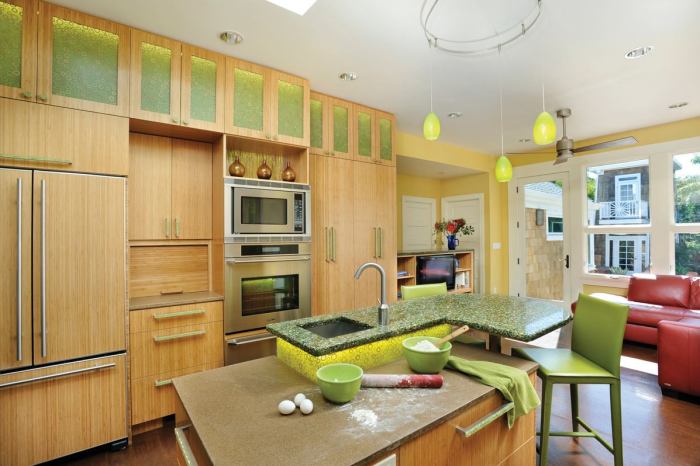
Sustainable kitchen renovations extend beyond the selection of eco-friendly materials; they encompass a comprehensive approach to waste management throughout the entire process. Minimizing waste and maximizing recycling not only reduces environmental impact but also often leads to cost savings. This section details strategies for achieving a more sustainable renovation by focusing on waste reduction and responsible disposal.
Minimizing Construction Waste
Effective waste reduction begins with meticulous planning. Detailed design plans, accurate material estimations, and precise demolition procedures significantly reduce the amount of unnecessary waste generated. Pre-demolition sorting of reusable materials, such as cabinets, countertops, and appliances, allows for repurposing or donation, preventing them from entering landfills. Utilizing modular design elements and prefabricated components minimizes on-site cutting and reduces scrap material.
Furthermore, employing skilled contractors experienced in efficient waste management practices contributes significantly to minimizing waste generation. For example, a well-planned demolition might involve carefully removing intact cabinets for potential reuse or resale, rather than simply demolishing them in place.
Recycling and Repurposing Demolition Materials
Many materials salvaged during a kitchen demolition can be recycled or repurposed. Wood can be milled into smaller pieces for use in other projects or even used as mulch in gardens. Metal components, such as pipes and appliances, can be easily recycled at scrap metal yards. Countertops, depending on their material, may be recyclable through specialized programs.
Ceramic tiles can be crushed and used as aggregate in construction projects. Even seemingly insignificant items like glass jars and bottles can be added to the household recycling stream. A creative homeowner might repurpose salvaged wood to create shelving or decorative elements for the new kitchen.
Hazardous Waste Disposal
Kitchen renovations often generate hazardous waste, including paints, solvents, and certain types of adhesives. These materials require careful handling and disposal to protect both human health and the environment. Local waste management facilities typically offer specific guidelines and designated drop-off locations for hazardous waste. It’s crucial to follow these guidelines carefully, as improper disposal can lead to serious environmental consequences.
For instance, lead-based paint from older homes must be handled and disposed of according to strict regulations.
Innovative Waste Management Techniques
Innovative approaches to waste management in kitchen renovations are constantly evolving. One example is the use of prefabricated cabinetry, which reduces on-site waste and improves efficiency. Another approach involves partnering with local recycling centers or organizations to establish efficient waste streams. Construction waste sorting systems on-site, allowing for immediate segregation of recyclable materials from non-recyclable waste, can improve efficiency and reduce landfill burden.
Some contractors even incorporate waste-reduction targets into their contracts, incentivizing responsible waste management. For example, a company might pledge to divert a certain percentage of demolition waste from landfills.
Recyclable Materials in Kitchen Renovations
A wide range of materials used in kitchen renovations are recyclable. This list includes:
- Wood (cabinets, flooring)
- Metal (appliances, pipes, fixtures)
- Glass (bottles, jars)
- Plastic (packaging, certain types of countertops)
- Ceramic tiles
- Cardboard and paper
- Concrete (in some cases)
Proper sorting and preparation of these materials are essential for successful recycling.
Kitchen Renovation Cost Considerations
Embarking on a sustainable kitchen renovation requires careful consideration of the financial implications. While upfront costs might seem higher than traditional renovations, the long-term benefits, both environmental and economic, often outweigh the initial investment. Understanding these cost dynamics is crucial for making informed decisions and achieving a financially responsible and environmentally conscious kitchen upgrade.Sustainable kitchen renovations, while potentially more expensive initially, offer significant long-term cost savings.
These savings stem from reduced energy and water consumption, decreased maintenance needs due to durable materials, and potentially increased home value. The initial investment is an investment in a more efficient and resilient kitchen that will serve you well for years to come.
Long-Term Cost Savings of Sustainable Materials
Sustainable materials, while often commanding a higher price tag initially, typically boast superior durability and longevity. For instance, bamboo countertops are more resistant to scratches and stains than many traditional options, reducing the need for costly replacements or repairs over time. Similarly, energy-efficient appliances significantly lower utility bills, generating considerable savings over their lifespan. These long-term savings can easily offset the higher initial investment.
Consider a scenario where energy-efficient appliances reduce your monthly electricity bill by $50; over ten years, that’s a saving of $6000.
Initial Cost Comparison: Sustainable vs. Traditional Materials
A direct comparison between sustainable and traditional materials reveals a price difference, often favoring traditional options in the short term. For example, reclaimed wood cabinetry may cost more than new, mass-produced cabinets made from unsustainable wood sources. Similarly, low-VOC (volatile organic compound) paints, crucial for indoor air quality, are generally more expensive than standard paints. However, the premium paid for sustainable materials often translates into better quality, longer lifespan, and reduced long-term maintenance costs.
A detailed cost analysis, comparing lifecycle costs, is necessary to make an informed decision.
Tax Incentives and Rebates for Eco-Friendly Renovations
Many governments offer financial incentives to encourage sustainable home improvements. These incentives can significantly reduce the overall cost of a sustainable kitchen renovation. Tax credits or rebates are frequently available for energy-efficient appliances, water-saving fixtures, and the use of recycled or sustainably sourced materials. It’s essential to research the specific incentives offered in your region, as eligibility criteria and rebate amounts vary.
For instance, some states offer rebates for installing solar panels, which can power your kitchen appliances and reduce your carbon footprint.
Creating a Budget that Incorporates Sustainable Choices
Developing a comprehensive budget is paramount for a successful kitchen renovation. Start by defining your overall budget and prioritizing your must-have features. Allocate a percentage of your budget specifically for sustainable materials and appliances. Explore cost-effective sustainable options; for example, consider using recycled glass tiles instead of expensive natural stone. Prioritize durable, low-maintenance materials to reduce long-term repair and replacement costs.
Regularly track your spending and adjust your budget as needed. A detailed spreadsheet can be a valuable tool for managing costs and tracking progress.
Financing Options for Sustainable Home Improvements
Several financing options are available to make sustainable kitchen renovations more accessible. Home equity loans or lines of credit can provide the necessary funds, leveraging the value of your home. Energy-efficient mortgages may offer lower interest rates for renovations incorporating energy-saving features. Some lenders offer specialized financing programs for green home improvements, providing competitive interest rates and favorable terms.
It’s advisable to shop around and compare interest rates and loan terms from different lenders to find the most suitable option for your needs. A detailed comparison of loan offers can lead to significant savings over the life of the loan.
Kitchen Renovation
Undertaking a kitchen renovation is a significant undertaking, demanding careful planning and execution. This section Artikels the typical phases, provides a step-by-step planning guide, emphasizes the importance of permits, offers effective management tips, and presents a realistic timeline for a successful kitchen remodel.
Phases of a Kitchen Renovation Project
A typical kitchen renovation project unfolds in several distinct phases. These phases are interconnected and a delay in one can impact the entire project. Effective project management relies on a clear understanding of each stage and its potential challenges.
- Planning and Design: This initial phase involves defining the project scope, creating a detailed design, selecting materials, and obtaining necessary approvals. Careful planning at this stage minimizes unforeseen issues later.
- Demolition and Rough-In: This phase focuses on removing existing fixtures and structures, preparing the space for new installations (plumbing, electrical, etc.), and addressing any structural modifications.
- Installation: This is the core phase, where new cabinets, countertops, appliances, and flooring are installed. This often involves multiple subcontractors specializing in specific areas.
- Finishing Touches: This involves final inspections, painting, minor repairs, and installation of lighting and hardware. This phase transforms the space from a construction site into a functional kitchen.
- Final Cleaning and Walkthrough: A thorough cleaning is essential to remove all construction debris. A final walkthrough with the contractor ensures everything meets the agreed-upon specifications.
Step-by-Step Guide for Planning a Kitchen Renovation
Effective planning is crucial for a smooth renovation. This step-by-step guide helps to break down the process into manageable steps.
- Define Your Budget and Scope: Determine a realistic budget and clearly define the extent of the renovation. This will guide all subsequent decisions.
- Develop a Design: Create a detailed design, including layouts, material selections, and appliance choices. Consider consulting with a kitchen designer for professional assistance.
- Source Materials and Appliances: Identify and secure necessary materials and appliances, allowing for lead times. Consider sustainable options wherever possible.
- Obtain Necessary Permits and Approvals: Check with your local authorities to determine the required permits and ensure compliance with building codes.
- Hire Contractors and Subcontractors: Select qualified and reputable contractors for different aspects of the project, obtaining multiple quotes and references.
- Manage the Project: Maintain regular communication with contractors, track progress, and address any issues promptly.
- Final Inspection and Walkthrough: Conduct a thorough final inspection to ensure everything meets the agreed-upon specifications.
Importance of Obtaining Necessary Permits and Approvals
Securing the necessary permits and approvals before starting the renovation is paramount. This ensures compliance with building codes, protects your investment, and prevents potential legal issues. Failure to obtain permits can lead to fines, delays, and even the necessity of undoing completed work. Local building departments can provide information on specific requirements.
Tips for Managing the Renovation Process Effectively
Effective project management is key to a successful renovation. This includes clear communication, detailed planning, and proactive problem-solving. Maintaining a detailed schedule and budget helps track progress and identify potential issues early on. Regular communication with the contractor is essential to address concerns and ensure the project stays on track.
Timeline for a Typical Kitchen Renovation Project
The timeline for a kitchen renovation varies depending on the project’s scope and complexity. A small renovation might take a few weeks, while a major overhaul could extend to several months. A realistic timeline should account for potential delays and unforeseen circumstances. For example, a mid-sized kitchen renovation might take 8-12 weeks, including planning, demolition, installation, and finishing.
Embarking on a sustainable kitchen renovation is an investment in both your home and the planet. By thoughtfully considering material choices, appliance efficiency, and waste management, you can create a space that reflects your values and contributes to a healthier environment. Remember, every sustainable choice, no matter how small, makes a difference. The result? A beautiful, functional kitchen that aligns with your commitment to a greener future, offering long-term cost savings and a reduced environmental impact.
FAQ Resource
How long does a sustainable kitchen renovation typically take?
The timeframe varies greatly depending on project scope and complexity, but generally ranges from several weeks to several months.
What are the potential challenges of a sustainable kitchen renovation?
Challenges can include higher initial costs for some eco-friendly materials and finding contractors experienced in sustainable practices.
Can I finance a sustainable kitchen renovation?
Yes, many lenders offer financing options for home improvements, including those focused on sustainability. Explore green loans and energy-efficiency financing programs.
Where can I find certified sustainable materials for my kitchen?
Look for certifications like FSC (Forest Stewardship Council) for wood, and seek out suppliers specializing in recycled and reclaimed materials.


