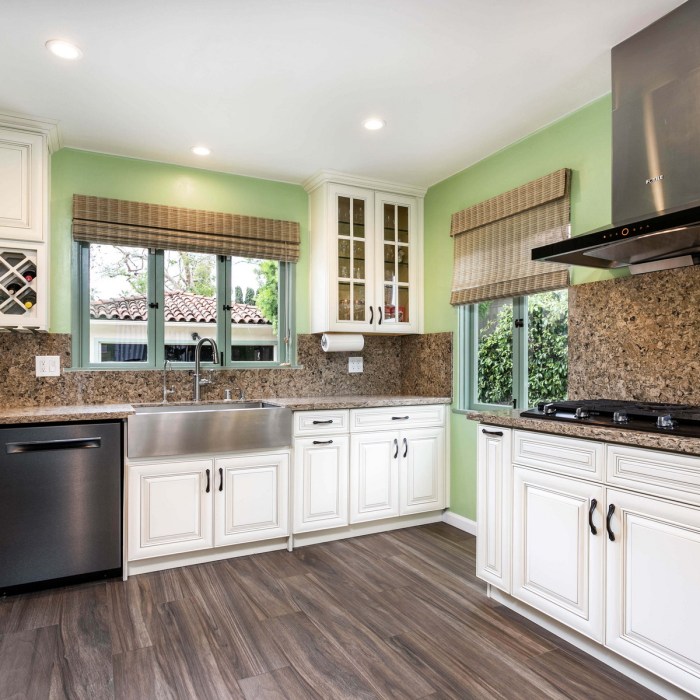
Transforming your kitchen without breaking the bank is entirely achievable. Budget kitchen renovations offer a compelling blend of practicality and creativity, allowing homeowners to refresh their culinary space without sacrificing style or functionality. This guide delves into the art of maximizing your budget, offering strategies for planning, sourcing materials, and executing a successful renovation, whether you prefer a DIY approach or professional assistance.
From defining what constitutes a “budget renovation” and establishing realistic cost expectations, to exploring cost-saving strategies, this guide provides a comprehensive roadmap. We’ll cover everything from planning and budgeting to choosing materials, tackling DIY projects, and managing unexpected challenges. The goal is to empower you with the knowledge and confidence to create the kitchen of your dreams, even on a limited budget.
Choosing Budget-Friendly Materials and Appliances
Renovating a kitchen on a budget requires careful consideration of materials and appliances. Making smart choices in these areas can significantly impact both the final cost and the overall aesthetic appeal of your updated space. Prioritizing cost-effective options doesn’t mean sacrificing quality; it’s about finding durable, attractive alternatives that fit your financial plan.
Budget-Friendly Countertop Materials
Choosing the right countertop material is a crucial decision, impacting both the look and functionality of your kitchen. Laminate and butcher block are popular budget-friendly options, each with its own set of advantages and disadvantages.
| Material | Cost | Pros | Cons |
|---|---|---|---|
| Laminate | Low ($10-$30 per square foot) | Wide variety of colors and patterns, easy to clean and maintain, relatively inexpensive installation. | Susceptible to scratches and heat damage, can look less luxurious than other materials, less durable than natural stone or solid surface. |
| Butcher Block | Mid-range ($40-$100 per square foot, depending on wood type) | Warm, natural look, durable with proper care, can be sanded and refinished, eco-friendly option if sourced sustainably. | Requires regular oiling and maintenance to prevent cracking and damage, susceptible to water damage if not properly sealed, can be more expensive than laminate. |
Affordable Kitchen Cabinets
Selecting cost-effective cabinets is another key element in a budget kitchen renovation. Several options provide both functionality and style without breaking the bank. Ready-to-assemble (RTA) cabinets are generally the most affordable, offering a wide range of styles and finishes. Stock cabinets, pre-assembled and available at home improvement stores, provide a balance between cost and convenience. Semi-custom cabinets offer some degree of customization, but at a higher price point than RTA or stock options.
Material choices influence cost; thermofoil is a budget-friendly option, while painted wood offers a more upscale look but at a higher price. For example, RTA cabinets can cost between $100 and $300 per cabinet, while stock cabinets may range from $200 to $500, and semi-custom options can easily exceed $500 per cabinet.
Energy-Efficient Appliances
Investing in energy-efficient appliances is a smart move, both environmentally and financially. While higher upfront costs may be incurred, energy savings over the appliance’s lifespan often outweigh the initial investment. Look for appliances with the Energy Star rating, indicating that they meet certain energy-efficiency standards. Features like LED lighting, improved insulation, and efficient motors contribute to lower energy consumption.
For instance, an Energy Star-certified refrigerator will consume less electricity compared to a non-certified model, leading to lower monthly energy bills over several years. Similarly, choosing energy-efficient dishwashers and ovens can result in substantial savings on utility costs.
DIY vs. Professional Installation for Budget Kitchen Renovations
Budget kitchen renovations often present a compelling choice between DIY projects and professional installation. This decision significantly impacts both the final cost and the overall quality of the renovation. Carefully weighing the advantages and disadvantages of each approach is crucial for achieving a successful and affordable outcome. Understanding your own skillset and the potential risks involved is paramount.DIY projects offer the potential for substantial cost savings, allowing you to allocate more resources to higher-quality materials.
However, this path also carries risks, including potential damage, delays, and even safety hazards if not undertaken correctly. Conversely, hiring professionals guarantees a higher level of expertise and typically leads to a faster, more efficient completion of the project. However, this comes at a higher price.
Advantages and Disadvantages of DIY vs. Professional Installation
The decision to DIY or hire professionals depends heavily on the specific task. Simple tasks like repainting cabinets or replacing cabinet hardware are generally suitable for DIY enthusiasts with basic skills. More complex tasks, such as plumbing, electrical work, or gas line installations, require specialized knowledge and should be left to licensed professionals. Improperly handling these tasks can lead to significant safety risks and costly repairs.
- DIY Advantages: Cost savings, increased control over the project timeline, and a sense of accomplishment.
- DIY Disadvantages: Potential for errors and damage, increased project timeline due to learning curves and potential setbacks, safety risks, and potential voiding of warranties on appliances or fixtures if installed incorrectly.
- Professional Advantages: Expertise, efficiency, adherence to building codes and safety regulations, warranties on workmanship, and reduced risk of errors or damage.
- Professional Disadvantages: Higher cost, less control over the project timeline, and potential scheduling challenges.
Assessing Your Skills and Choosing Appropriate Tasks
Before embarking on any DIY project, honestly assess your skills and experience. Consider the complexity of the task, the tools required, and your comfort level with working with electricity, plumbing, or other potentially hazardous materials. If you lack confidence or experience in a particular area, it’s best to hire a professional. For instance, while replacing a faucet might be manageable for a DIYer, installing new plumbing lines is best left to a licensed plumber.For example, a homeowner comfortable with basic carpentry might successfully replace cabinet doors, but attempting to install new cabinets without prior experience could lead to significant issues with alignment and functionality.
Similarly, while painting is relatively straightforward, tiling requires precision and skill to achieve a professional finish.
Potential Cost Savings and Risks Associated with DIY Work
The potential cost savings of DIY can be substantial, particularly for smaller tasks like painting or replacing cabinet hardware. However, underestimating the time and materials required can negate these savings. Moreover, errors can lead to unexpected costs for repairs or replacement materials. For example, improperly installing a dishwasher could lead to water damage requiring costly repairs.
“A realistic assessment of your skills and a clear understanding of potential risks are crucial for successful and affordable kitchen renovations.”
Kitchen Renovation Design Ideas on a Budget
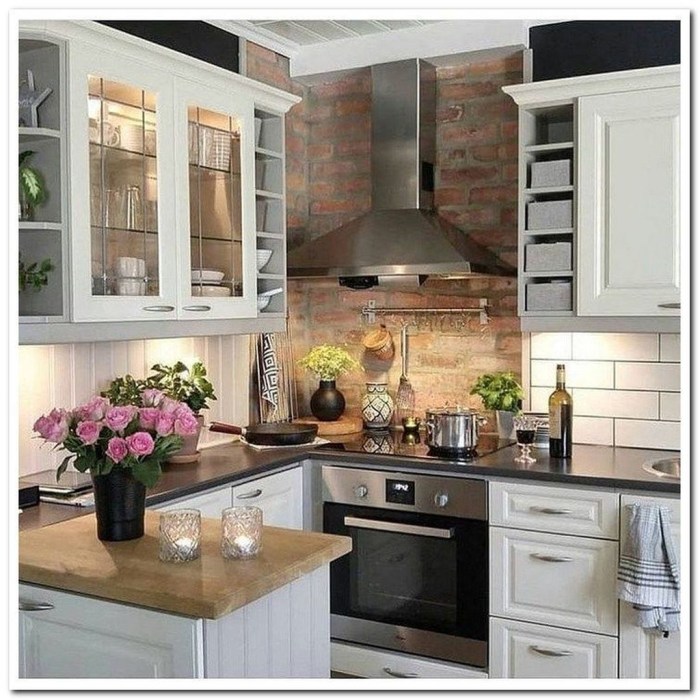
A successful budget kitchen renovation hinges not just on material choices and installation methods, but also on clever design. Maximizing space, improving functionality, and enhancing aesthetics are all achievable even with limited funds. The following sections explore design layouts, backsplash options, and strategies for brightening and enlarging the perceived space of a small kitchen.
Budget-Friendly Kitchen Layouts
Careful planning of your kitchen layout is crucial for optimizing space and workflow, especially on a budget. Poor design can negate the savings achieved through inexpensive materials. Here are three layouts suitable for budget renovations, focusing on efficiency and practicality.
- L-Shaped Kitchen: This layout is perfect for smaller kitchens. The L-shape utilizes two adjacent walls, creating ample counter space and storage. A sink can be placed in the corner to maximize workflow. Consider adding a small island or peninsula for extra prep space if room allows. This maximizes efficiency by keeping frequently used appliances and food prep areas close together.
- Galley Kitchen: Ideal for long, narrow spaces, the galley kitchen features two parallel countertops with cabinets on either side. This design is incredibly efficient, minimizing wasted steps. To enhance the feeling of spaciousness, use light colors and plenty of vertical storage. Careful placement of appliances is key to avoid congestion.
- U-Shaped Kitchen: If your kitchen has enough space, a U-shaped layout offers extensive counter and storage space. The three walls create a natural workspace triangle, placing the sink, stove, and refrigerator within easy reach of each other. However, ensure sufficient walkway space to avoid feeling cramped.
Budget-Friendly Kitchen Backsplash Ideas
The backsplash is a key design element that can significantly impact the overall look and feel of your kitchen without breaking the bank. Several affordable materials offer both style and practicality.
- Subway Tile: Classic and versatile, subway tiles are inexpensive and readily available in a variety of colors and finishes. They’re easy to install, making them a perfect DIY project. A simple white or light-grey subway tile backsplash can brighten a kitchen significantly.
- Painted Beadboard: A cost-effective alternative to tile, painted beadboard offers a charming, cottage-style aesthetic. It’s easy to install and can be painted any color to match your kitchen’s decor. This option requires less technical skill than tiling.
- Peel-and-Stick Tiles: For a truly budget-friendly and DIY-friendly option, peel-and-stick tiles are a quick and easy solution. While they may not be as durable as traditional tiles, they are perfect for a temporary or budget-conscious renovation. A wide variety of styles and patterns are available to suit different tastes.
Maximizing Natural Light and Space in a Small Kitchen
Even a small kitchen can feel spacious and bright with some clever design tricks. These techniques help create the illusion of more space and enhance the overall feel of the room.
- Light Colors: Painting walls and cabinets in light, neutral colors such as white, cream, or light gray will reflect light, making the kitchen feel larger and brighter. Avoid dark colors, which can absorb light and make the space feel smaller.
- Mirrors: Strategically placed mirrors can reflect light and create the illusion of more space. A large mirror on a wall opposite a window can significantly brighten the kitchen. Consider a mirrored backsplash for a dramatic effect.
- Glass-fronted Cabinets: Replacing solid cabinet doors with glass-fronted ones allows light to penetrate deeper into the kitchen, making it feel more open and airy. This works especially well with light-colored or clear containers inside the cabinets.
- Open Shelving: Replacing some upper cabinets with open shelving can create a sense of openness and airiness, especially if combined with light-colored or glass containers. This also helps to display attractive dishes or kitchenware.
Kitchen Renovation
Even with meticulous planning, kitchen renovations often present unforeseen challenges. Understanding the legal requirements and anticipating potential problems is crucial for a successful, stress-free project, even on a budget. This section addresses navigating the complexities beyond the initial budget considerations.
Permitting and Inspections
Obtaining the necessary permits and passing inspections are legally mandated steps in most jurisdictions for any significant home renovation, including kitchen remodeling. Failure to comply can result in hefty fines, project halts, and even the need for costly rework. Permits ensure your renovation adheres to building codes and safety standards, protecting both you and your property. Inspections are conducted at various stages of the project to verify compliance.
Before starting any work, contact your local building department to determine the specific permits required for your project, which will vary depending on the scope of the renovation. For example, replacing countertops may require a simpler permit than a complete kitchen overhaul involving plumbing and electrical work. Be prepared to provide detailed plans and specifications to the building department for review.
Scheduling inspections promptly is crucial to maintain project momentum. Delays in scheduling or failing inspections can significantly prolong the renovation timeline.
Managing Unexpected Costs and Delays
Unforeseen issues are a common occurrence during renovations. These can range from discovering hidden plumbing problems to encountering unexpected structural issues or material price fluctuations. To mitigate these risks, establishing a contingency fund is essential. A general rule of thumb is to allocate 10-20% of your total budget for unforeseen expenses. This fund acts as a buffer, allowing you to address unexpected problems without derailing the entire project.
For instance, if your budget is $10,000, setting aside $1,000-$2,000 for contingencies is prudent. Another effective strategy is to prioritize tasks. Focus on essential upgrades first, and if budget constraints arise, postpone less crucial elements. For example, new appliances might be prioritized over custom cabinetry. Open communication with your contractor (if applicable) is vital.
Regularly discussing progress and any potential issues allows for proactive problem-solving and prevents small problems from escalating into major cost overruns.
Affordable and Durable Kitchen Flooring
Choosing the right flooring is crucial for both aesthetics and durability. Several budget-friendly options offer excellent value and longevity. Vinyl flooring, for example, is widely available in various styles and colors, mimicking the look of more expensive materials like tile or hardwood at a fraction of the cost. It’s also relatively easy to install, potentially saving on labor costs.
Luxury vinyl plank (LVP) offers a particularly durable and realistic wood-grain appearance. Another option is ceramic or porcelain tile, which is known for its durability and water resistance. While generally more expensive than vinyl, it can be a cost-effective choice in the long run due to its longevity. When choosing tile, consider selecting a less expensive tile for areas with less traffic, such as a pantry.
Finally, laminate flooring presents a budget-friendly alternative to hardwood. While not as water-resistant as tile or vinyl, it provides a durable and aesthetically pleasing option, especially in areas with less moisture exposure. Careful consideration of these options, based on individual needs and budget, allows for a practical and visually appealing kitchen floor.
Illustrative Examples of Budget Kitchen Renovations
Budget kitchen renovations don’t have to compromise on style or functionality. With careful planning and resourceful choices, homeowners can achieve stunning transformations without breaking the bank. This section showcases successful projects, highlighting the strategies employed and the resulting impact.
A Successful Budget Kitchen Renovation Project
One homeowner successfully renovated their outdated kitchen for under $5,000. They opted for budget-friendly materials like laminate countertops that mimicked the look of granite, and affordable yet durable vinyl flooring in a warm, neutral tone. Cabinet refacing, rather than full replacement, saved significant costs. They chose new cabinet hardware and repainted the existing cabinets in a crisp white, instantly brightening the space.
Appliances were sourced from a discount retailer, choosing energy-efficient models to offset future costs. The homeowner tackled much of the demolition and painting themselves, hiring a professional only for the countertop installation and plumbing work. The final result was a bright, modern kitchen that significantly increased the home’s value, exceeding expectations for the relatively small investment.
Small Kitchen Before and After: A Textual Representation
Before: The small kitchen featured dated yellowed cabinets, a worn linoleum floor, and a cramped layout. The appliances were mismatched and inefficient. The overall feel was dark and cluttered.After: The same small kitchen now boasts bright white shaker-style cabinets, creating an illusion of more space. The laminate countertops in a light grey perfectly complement the cabinets. A stylish, easy-to-clean vinyl flooring in a light wood grain pattern replaces the old linoleum.
New, matching stainless-steel appliances (a slimmer dishwasher and a more efficient refrigerator) streamline the look. Open shelving replaced some upper cabinets, adding visual lightness and functionality. The overall transformation is clean, modern, and significantly more spacious-feeling.
Homeowner’s Story: Budget Kitchen Renovation Challenges and Lessons Learned
Sarah, a young homeowner, decided to tackle a kitchen renovation on a tight budget. Her biggest challenge was balancing cost savings with quality. She learned to carefully research materials, comparing prices and features across different retailers. She also discovered the value of DIY projects. While she successfully painted the cabinets and installed the new flooring, she realized that some tasks, like plumbing, were best left to professionals to avoid costly mistakes.
Sarah’s biggest lesson? Prioritizing needs over wants. She focused on essential upgrades like countertops and appliances, delaying aesthetic additions like backsplashes until later. This allowed her to complete a functional and beautiful kitchen renovation within her budget, proving that even ambitious home improvement projects can be achieved with smart planning and a little elbow grease.
Ultimately, a budget kitchen renovation is less about limitations and more about strategic choices. By carefully planning, prioritizing needs, and exploring creative solutions, you can achieve a stunning transformation without exceeding your financial limits. Remember that a successful renovation hinges on meticulous planning, resourceful material selection, and a clear understanding of your own capabilities. Embrace the process, and enjoy the rewarding experience of creating a beautiful and functional kitchen that reflects your personal style.
Essential Questionnaire
How long does a budget kitchen renovation typically take?
The timeframe varies greatly depending on the scope of the project and whether you’re DIYing or hiring professionals. Simple renovations might take a few weeks, while more extensive projects could last several months.
Can I finance a budget kitchen renovation?
Yes, several financing options exist, including home equity loans, personal loans, and credit cards. Compare interest rates and terms before choosing a lender.
What are some common mistakes to avoid during a budget kitchen renovation?
Common mistakes include underestimating costs, rushing the planning phase, choosing low-quality materials, and attempting DIY projects beyond your skill level.
Where can I find inspiration for budget-friendly kitchen designs?
Explore home improvement websites, magazines, and social media platforms like Pinterest and Instagram for design ideas. Look for s like “budget kitchen,” “small kitchen ideas,” and “DIY kitchen renovation.”


