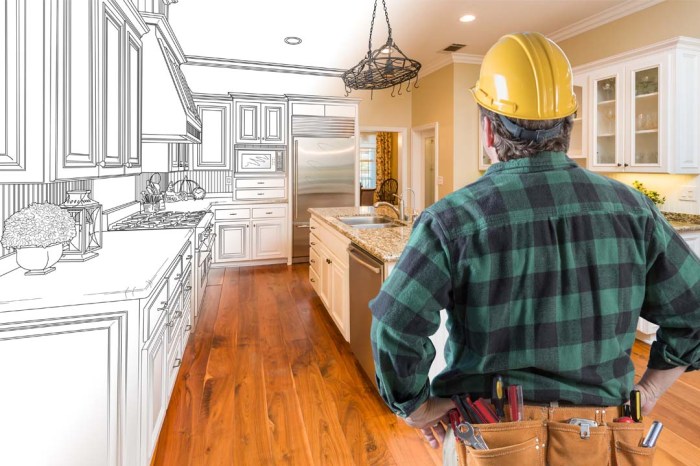
Transforming your kitchen from drab to fab requires more than just a vision; it demands the expertise of the right team. Finding the best kitchen renovation contractors can feel overwhelming, with countless options and potential pitfalls. This guide navigates you through the entire process, from initial concept to post-renovation care, ensuring a smooth and successful project that reflects your style and budget.
We’ll delve into the essential qualities that define top-tier contractors, explore the step-by-step renovation journey, and equip you with the knowledge to make informed decisions at every stage. Learn how to select the perfect contractor, manage your budget effectively, and handle unexpected challenges with grace. Ultimately, this guide empowers you to create the kitchen of your dreams.
Defining “Best” in Kitchen Renovation Contractors
Choosing the right contractor for your kitchen renovation is crucial for a successful and stress-free project. A seemingly small detail overlooked can lead to significant problems down the line, impacting both the final product and your budget. Therefore, understanding what constitutes a “best” contractor is paramount before embarking on this significant home improvement endeavor.
Several key factors contribute to identifying a top-tier kitchen renovation contractor. These factors go beyond simply having a portfolio of completed projects; they encompass professionalism, expertise, and a commitment to client satisfaction. Failing to consider these aspects could result in delays, cost overruns, and ultimately, a less-than-ideal kitchen renovation.
Essential Qualities of Top-Tier Kitchen Renovation Contractors
Five essential qualities consistently distinguish top-tier kitchen renovation contractors from the rest. These qualities, when present, significantly increase the likelihood of a positive and successful renovation experience.
- Extensive Experience: A contractor with years of experience possesses a deep understanding of the renovation process, potential challenges, and effective solutions. This translates to smoother project execution and better problem-solving capabilities. Look for contractors with a proven track record spanning several years and numerous completed projects.
- Appropriate Licensing and Insurance: Proper licensing demonstrates compliance with industry standards and regulations, protecting you from potential legal issues. Comprehensive insurance safeguards against accidents or damages during the renovation, offering financial protection for both the contractor and the homeowner.
- Exceptional Communication Skills: Clear and consistent communication is vital throughout the renovation process. A top-tier contractor will keep you informed of progress, address concerns promptly, and provide regular updates. This transparency builds trust and ensures you’re involved every step of the way.
- Strong Project Management Capabilities: Effective project management ensures the renovation stays on schedule and within budget. This includes meticulous planning, efficient resource allocation, and proactive problem-solving to minimize disruptions and delays.
- Positive Client Testimonials and Reviews: Positive feedback from previous clients is a powerful indicator of a contractor’s reliability, professionalism, and the quality of their work. These reviews offer invaluable insights into their work ethic, communication style, and overall client experience.
Contractor Comparison Table
Direct comparison of contractors based on key criteria helps in making an informed decision. This table facilitates a side-by-side evaluation of potential candidates, highlighting their strengths and weaknesses.
| Contractor Name | Years of Experience | Licensing & Certification | Insurance Coverage | Client Reviews (Average Rating) |
|---|---|---|---|---|
| ABC Renovations | 15+ years | Licensed and Certified | Full Liability and Workers’ Compensation | 4.8 stars (150+ reviews) |
| XYZ Construction | 5 years | Licensed | General Liability | 4.2 stars (50 reviews) |
| 123 Home Improvements | 10 years | Licensed and Certified | Full Liability and Workers’ Compensation | 4.5 stars (75 reviews) |
Significance of Client Testimonials and Online Reviews
Client testimonials and online reviews provide invaluable insights into a contractor’s reputation and work quality. They offer a real-world perspective, often highlighting aspects not readily apparent in marketing materials. Thoroughly reviewing these testimonials helps assess the contractor’s reliability, communication skills, and overall customer satisfaction.
For instance, a contractor with consistently high ratings and numerous positive reviews demonstrates a commitment to client satisfaction and a track record of delivering high-quality work. Conversely, a contractor with a significant number of negative reviews or unresolved complaints should raise red flags and warrant further investigation. Pay close attention to recurring themes in the reviews; consistent praise for specific aspects, like communication or attention to detail, reinforces the contractor’s strengths.
Similarly, recurring negative comments about timelines or workmanship should be carefully considered.
The Kitchen Renovation Process
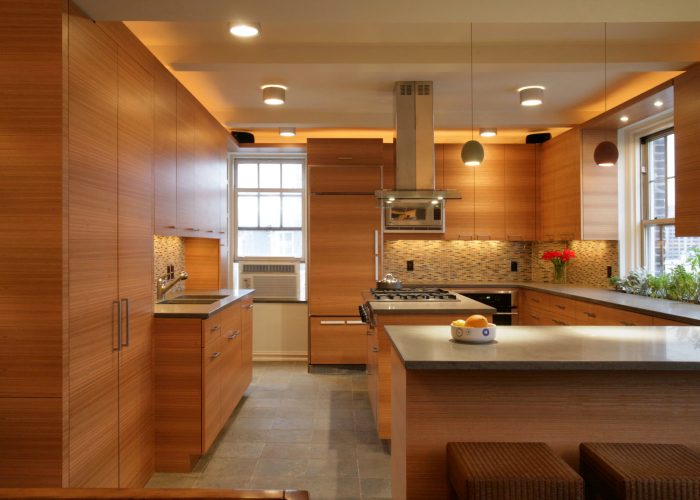
Undertaking a kitchen renovation is a significant undertaking, requiring careful planning and execution. This process typically involves several distinct stages, each crucial for achieving the desired outcome – a beautiful, functional, and efficient kitchen. Understanding these stages will empower you to manage expectations and collaborate effectively with your contractors.
A typical kitchen renovation unfolds in a series of well-defined steps, from the initial conceptualization to the final touches. Each phase presents unique opportunities to refine your vision and ensure the project stays on track. Effective communication and proactive planning are key to a smooth renovation experience.
Project Initiation and Design
This initial phase involves a detailed discussion with your contractor to define the scope of the project. This includes establishing your budget, reviewing existing space constraints, discussing desired design elements (layout, style, materials), and reviewing preliminary plans. This stage sets the foundation for the entire renovation. A well-defined scope helps prevent costly surprises and ensures everyone is on the same page.
Material Selection and Fixture Sourcing
Choosing the right materials and fixtures is paramount to achieving the desired aesthetic and functionality. This process often involves several iterative steps, from browsing catalogs and showrooms to ordering samples and making final selections. Careful consideration should be given to durability, style, and budget. For instance, selecting durable countertops like granite or quartz can significantly impact long-term maintenance, while choosing energy-efficient appliances reduces utility costs.
A systematic approach to material selection is recommended. This might involve:
- Defining your style: Do you prefer a modern, traditional, farmhouse, or contemporary style? This will guide your choices for cabinetry, countertops, backsplash, and flooring.
- Creating a mood board: Collect images of kitchens you admire to help visualize your ideal space and identify recurring design elements.
- Visiting showrooms: Experience materials firsthand. Touch and feel different countertop samples, view cabinet door styles, and test appliance functionalities.
- Ordering samples: Bring samples home to see how they look in your existing lighting and alongside your existing decor.
- Comparing prices: Obtain quotes from multiple vendors to ensure you’re getting the best value for your chosen materials.
Demolition and Rough-In
Once the design and materials are finalized, the demolition phase begins. This involves removing existing cabinets, countertops, flooring, and appliances. The rough-in stage follows, focusing on installing plumbing, electrical, and ventilation systems. This phase often reveals unexpected issues, such as damaged framing or outdated wiring, requiring adjustments to the original plan and potentially impacting the budget and timeline.
Cabinet Installation and Countertop Installation
With the rough-in complete, the focus shifts to installing new cabinets. This stage requires precision and attention to detail, ensuring proper alignment and functionality. Once cabinets are installed, countertops are fitted and sealed. The choice of countertop material (e.g., granite, quartz, laminate) influences the installation process and associated costs.
Finishing Touches and Final Walkthrough
This phase encompasses installing backsplashes, flooring, lighting fixtures, and appliances. Final inspections are conducted to ensure everything meets building codes and client expectations. A final walkthrough with the contractor allows for addressing any minor issues or adjustments before project completion. This is also the time to obtain warranties and maintenance instructions for all installed components.
Homeowner Checklist
Maintaining a checklist throughout the renovation is crucial for a smooth process. Here’s a breakdown by stage:
| Stage | Checklist Items |
|---|---|
| Project Initiation & Design | Define budget, review space constraints, discuss design elements, approve preliminary plans, secure necessary permits. |
| Material Selection | Gather inspiration, order samples, compare prices, finalize material choices, confirm order details, schedule delivery. |
| Demolition & Rough-In | Protect remaining areas, confirm plumbing/electrical plans, address unexpected issues, monitor progress. |
| Cabinet & Countertop Installation | Inspect cabinet alignment, verify countertop fit and finish, ensure proper sealing. |
| Finishing Touches & Walkthrough | Inspect all installations, test appliances, address any outstanding issues, obtain warranties. |
Contractor Selection Criteria
Choosing the right contractor is paramount for a successful kitchen renovation. A poorly chosen contractor can lead to cost overruns, project delays, and subpar workmanship. Careful consideration of several key factors will significantly improve your chances of a positive experience. This section Artikels crucial questions to ask potential contractors, compares different contract types, and highlights warning signs of unreliable professionals.
Five Crucial Questions for Potential Contractors
Asking the right questions during the contractor selection process is essential for ensuring a smooth and successful renovation. These questions delve into experience, licensing, insurance, communication, and project management. Thorough answers will help you assess the contractor’s suitability for your project.
Here are five crucial questions homeowners should ask:
- Experience and Specialization: Inquire about the contractor’s years of experience, the number of similar kitchen renovations they’ve completed, and their specific expertise in kitchen design and construction. Request references and examples of past projects.
- Licensing and Insurance: Verify that the contractor possesses all necessary licenses and insurance, including general liability and workers’ compensation. This protects you from potential legal and financial risks.
- Detailed Project Timeline and Communication Plan: Discuss the estimated project timeline, outlining key milestones and potential delays. Establish a clear communication plan, specifying how and how often you will receive updates.
- Payment Schedule and Contract Terms: Carefully review the proposed payment schedule and contract terms. Ensure that payments are tied to specific milestones and that the contract clearly Artikels the scope of work, materials, and warranties.
- Contingency Planning: Ask about the contractor’s plan for addressing unexpected issues or changes during the renovation. A robust contingency plan demonstrates preparedness and professionalism.
Comparison of Common Kitchen Renovation Contract Types
Understanding the different types of contracts is crucial for protecting your interests and ensuring a clear understanding of the agreement. Each type offers varying levels of detail and protection.
| Contract Type | Description | Advantages | Disadvantages |
|---|---|---|---|
| Fixed-Price Contract (Lump Sum) | A fixed price is agreed upon for the entire project. | Predictable costs, clear budget. | Less flexibility for changes, potential for disputes if unforeseen issues arise. |
| Cost-Plus Contract | The contractor is reimbursed for all costs plus a fixed percentage or hourly rate for their services. | Greater flexibility for changes, suitable for complex projects. | Less predictable costs, potential for cost overruns. |
| Time and Materials Contract | The contractor charges for the time spent and materials used. | Transparency in costs, suitable for smaller projects with undefined scopes. | Difficult to budget accurately, potential for abuse if not carefully monitored. |
Red Flags Indicating Unreliable Contractors
Several warning signs can indicate that a contractor may be unreliable or unprofessional. Recognizing these red flags is crucial in avoiding potential problems.
Three significant red flags to watch out for are:
- Lack of References or Unverifiable Credentials: A contractor who is hesitant to provide references or whose credentials cannot be verified should raise concerns about their legitimacy and experience.
- High-Pressure Sales Tactics: A contractor who uses high-pressure sales tactics or pushes you to make quick decisions without giving you time to consider the options may be trying to hide something or is simply unprofessional.
- Unclear or Unsigned Contracts: A vague or unsigned contract leaves you vulnerable to disputes and cost overruns. A well-written contract should clearly Artikel the scope of work, payment schedule, and other essential details.
Budgeting and Cost Management for Kitchen Renovations
Effective budgeting is crucial for a successful kitchen renovation. Understanding the typical costs involved and developing a comprehensive budget will minimize financial stress and ensure your project stays on track. Failing to plan adequately can lead to cost overruns and project delays. This section will provide a framework for creating a realistic budget and managing costs throughout the renovation process.
Typical Costs Associated with Kitchen Renovations
Kitchen renovation costs vary significantly depending on factors such as project scope, location, materials chosen, and the contractor’s rates. However, a general understanding of cost categories is essential for effective budgeting. The following table provides a breakdown of typical cost components:
| Cost Category | Percentage of Total Cost (Estimate) | Details |
|---|---|---|
| Labor | 30-40% | Includes the cost of demolition, installation, and finishing work by contractors. Highly skilled labor, specialized tasks, and project complexity increase this cost. |
| Materials | 40-50% | Encompasses cabinetry, countertops, appliances, flooring, backsplash, lighting fixtures, and plumbing/electrical fixtures. High-end materials significantly impact this cost. |
| Permits and Inspections | 5-10% | Necessary permits and associated inspection fees vary by location and project scope. |
| Design and Planning | 5-10% | Costs associated with architectural plans, design consultations, and project management. This can be lower if the homeowner manages the design themselves. |
| Unexpected Expenses/Contingency | 10-15% | A crucial buffer for unforeseen issues like material damage, labor delays, or hidden problems discovered during demolition. |
Note: These percentages are estimates and can vary widely depending on the specifics of the project.
Sample Budget Template for a Kitchen Renovation
A detailed budget template helps track expenses and prevent overspending. The following is a sample template:
| Category | Estimated Cost | Actual Cost | Difference |
|---|---|---|---|
| Labor | $15,000 | ||
| Materials (Cabinets) | $8,000 | ||
| Materials (Countertops) | $5,000 | ||
| Materials (Appliances) | $6,000 | ||
| Materials (Flooring) | $2,000 | ||
| Materials (Backsplash) | $1,000 | ||
| Materials (Lighting) | $500 | ||
| Permits and Inspections | $1,000 | ||
| Design and Planning | $1,500 | ||
| Contingency (15%) | $3,000 | ||
| Total Estimated Cost | $42,000 |
Strategies for Staying Within Budget
Staying within budget requires proactive planning and careful management. Several strategies can help:Prioritize needs over wants: Focus on essential upgrades first, postponing less critical improvements until a later date or a future budget cycle. For instance, consider replacing essential appliances before focusing on high-end finishes.Shop around for materials and labor: Obtain multiple quotes from different suppliers and contractors to compare prices and services.
Negotiate prices where possible.Explore cost-effective alternatives: Consider using more affordable materials without compromising quality. For example, engineered quartz countertops can provide a luxurious look at a lower cost than natural stone.Maintain detailed records: Track all expenses meticulously. This allows for better monitoring of spending and identification of potential overruns.Regularly review the budget: Compare actual expenses against the budget regularly to identify any deviations and adjust accordingly.
This proactive approach prevents small overruns from escalating into significant cost overruns.Communicate clearly with the contractor: Maintain open communication with the contractor throughout the project to address any unexpected issues or changes promptly. Avoid making significant changes late in the project as this often leads to higher costs.
Kitchen Renovation Design Ideas
Choosing the right design style is crucial for a successful kitchen renovation. The style you select will influence material choices, appliance selection, and the overall feel of your space. Consider your personal preferences, lifestyle, and the existing architecture of your home when making your decision.
Three Popular Kitchen Design Styles
This section will explore three distinct kitchen design styles: modern, traditional, and farmhouse, highlighting their defining characteristics and suitable materials. Each offers a unique aesthetic and functionality.
- Modern Kitchen Design: Characterized by clean lines, minimalist aesthetics, and a focus on functionality. Materials commonly used include sleek, high-gloss cabinetry in neutral colors (white, gray, black), stainless steel appliances, quartz or concrete countertops, and glass or metal accents. The overall effect is a sophisticated and uncluttered space.
- Traditional Kitchen Design: Emphasizes classic elegance and timeless appeal. Expect detailed cabinetry with raised panel doors, often made from wood like cherry or oak. Countertops may be granite, marble, or butcher block. Appliances are typically integrated to maintain a cohesive look, and warm, rich colors are frequently used.
- Farmhouse Kitchen Design: Combines rustic charm with modern functionality. Distinctive features include exposed beams, open shelving, a large farmhouse sink, and a mix of materials like reclaimed wood, natural stone, and metal. Colors are typically warm and inviting, often featuring white or cream cabinetry with contrasting dark wood accents.
Modern Kitchen Design Visualization
Imagine a kitchen bathed in natural light, showcasing sleek, handleless white lacquer cabinetry that extends to the ceiling, maximizing storage space. The countertops are a seamless expanse of polished concrete, providing a durable and industrial-chic surface. Stainless steel appliances, including a built-in refrigerator and a professional-grade range, are seamlessly integrated into the cabinetry. A large island, also clad in concrete, offers ample workspace and seating, while pendant lights above cast a warm, inviting glow.
A backsplash of large, rectangular white tiles adds a subtle textural element, complementing the overall minimalist aesthetic.
Incorporating Sustainable and Eco-Friendly Practices
Sustainable practices are increasingly important in kitchen renovations. Several strategies can minimize environmental impact while creating a beautiful and functional space.
- Sustainable Materials: Opt for reclaimed wood for cabinetry or flooring, bamboo countertops, or recycled glass tiles for the backsplash. Consider using sustainably harvested wood for cabinetry or flooring.
- Energy-Efficient Appliances: Choose appliances with high Energy Star ratings, reducing energy consumption and lowering utility bills. For example, selecting an Energy Star certified refrigerator can significantly reduce energy usage compared to older models.
- Water Conservation: Install low-flow faucets and a water-efficient dishwasher to minimize water waste. Low-flow faucets can reduce water consumption by up to 50% compared to standard faucets.
- Low-VOC Paints and Finishes: Use low-volatile organic compound (VOC) paints and finishes to improve indoor air quality. Low-VOC paints emit fewer harmful chemicals into the air compared to traditional paints.
- Proper Waste Management: Recycle and dispose of construction debris responsibly. Proper disposal methods minimize landfill waste and promote environmental sustainability.
Dealing with Unexpected Issues During Renovation
Kitchen renovations, while exciting, often present unforeseen challenges. Thorough planning minimizes surprises, but some issues are inevitable. Understanding how to handle these problems effectively is crucial for a successful project and a positive experience. This section addresses common unexpected problems, the importance of contingency planning, and strategies for resolving conflicts with your contractor.
Common Unexpected Problems During Kitchen Renovations
Unexpected problems can significantly impact the timeline and budget of your kitchen renovation. Three common issues include discovering hidden plumbing or electrical problems during demolition, encountering unforeseen structural issues requiring additional work, and experiencing material delays or shortages. Addressing these promptly and efficiently is key to keeping your project on track.
- Hidden Plumbing or Electrical Issues: Demolition often reveals outdated or poorly installed plumbing and electrical systems. This might involve rerouting pipes, upgrading wiring, or replacing damaged components. Addressing these issues requires engaging qualified plumbers and electricians, potentially leading to increased costs and project delays. A proactive approach involves pre-renovation inspections to identify potential problems before demolition begins.
- Unforeseen Structural Issues: During demolition, unexpected structural problems like rotted framing, pest infestations, or load-bearing issues might be discovered. These necessitate structural repairs, which can be costly and time-consuming. Addressing these requires structural engineers and specialized contractors, adding significant expense and extending the project timeline. A thorough pre-renovation inspection by a qualified professional can mitigate this risk.
- Material Delays or Shortages: Supply chain disruptions or unexpected delays in material delivery are common. This can halt progress and disrupt the project timeline. Mitigation strategies include ordering materials well in advance, exploring alternative materials, and establishing clear communication with suppliers to monitor delivery schedules. Having backup options for materials can minimize the impact of delays.
Contingency Planning for Unforeseen Issues and Expenses
A contingency plan is essential for managing unexpected issues and expenses. This plan should include a realistic budget buffer (typically 10-20% of the total project cost) to cover unforeseen expenses. It should also detail procedures for addressing potential problems, such as material delays, unexpected repairs, or contractor scheduling conflicts. For example, a contingency plan might include a list of pre-approved subcontractors for various trades, allowing for quick replacement if needed.
Without a contingency plan, minor problems can escalate into major financial and scheduling setbacks.
Resolving Disputes or Disagreements with a Contractor
Disagreements with a contractor can arise. Effective communication is key to resolving these. Start by clearly documenting the issue, including dates, times, and descriptions of the problem. Attempt to resolve the issue directly with the contractor, ideally in writing. If a direct resolution fails, consider mediation or arbitration as a neutral third-party process.
In extreme cases, legal action may be necessary, but this should be a last resort. Maintaining thorough documentation throughout the project is crucial for any dispute resolution process. A well-written contract that clearly Artikels expectations, payment schedules, and dispute resolution mechanisms can significantly help in managing conflicts.
Post-Renovation Care and Maintenance
Your kitchen renovation is complete, and you’re enjoying your stunning new space. However, the work isn’t entirely finished. Proper care and maintenance are crucial to preserving the beauty and functionality of your renovated kitchen for years to come. Investing time in post-renovation care will protect your investment and ensure you continue to enjoy your updated kitchen for many years.
Regular maintenance prevents minor issues from escalating into costly repairs. A proactive approach ensures the longevity of your new appliances, countertops, and cabinetry. This section Artikels essential maintenance tasks and cleaning guidelines for common kitchen materials.
Essential Maintenance Tasks for a Newly Renovated Kitchen
Performing these five essential maintenance tasks will significantly extend the lifespan of your renovated kitchen.
- Regular Cleaning: Establish a consistent cleaning schedule to remove spills and dirt promptly. This prevents stains and damage to surfaces.
- Appliance Maintenance: Clean and maintain appliances according to manufacturer instructions. This includes cleaning refrigerator coils, oven interiors, and dishwasher filters.
- Cabinet Care: Dust and wipe down cabinets regularly. Avoid harsh chemicals that can damage the finish. For wooden cabinets, consider using a wood-specific cleaner and polish.
- Countertop Care: Clean countertops according to their material (see below). Avoid abrasive cleaners that can scratch surfaces.
- Plumbing Inspection: Regularly check for leaks under sinks and around faucets. Address any issues promptly to prevent water damage.
Cleaning and Care for Different Kitchen Materials
Different kitchen materials require specific cleaning methods to maintain their appearance and prevent damage. Using the wrong cleaning products can lead to etching, discoloration, or other problems.
- Granite Countertops: Clean with a mild detergent and warm water. Rinse thoroughly and dry immediately. Avoid abrasive cleaners and acidic substances like lemon juice or vinegar, which can etch the surface. Regular sealing (every 1-2 years) helps protect against staining.
- Stainless Steel Appliances: Clean with a non-abrasive cleaner and a soft cloth. Wipe in the direction of the grain to avoid streaks. Avoid harsh chemicals and scouring pads. For stubborn stains, use a specialized stainless steel cleaner.
- Quartz Countertops: Generally easy to maintain. Clean with a mild detergent and warm water. Avoid abrasive cleaners and excessive heat.
- Wooden Cabinets: Use a wood-specific cleaner and polish. Avoid excessive moisture. Regularly dust to prevent buildup.
- Laminate Countertops: Clean with a mild detergent and warm water. Avoid abrasive cleaners and excessive heat. Repair any chips or scratches promptly to prevent further damage.
The Importance of Regular Inspections
Regular inspections are crucial for identifying and addressing potential problems early on, preventing minor issues from developing into costly repairs. These inspections should be conducted at least once a year, or more frequently if you notice any unusual signs.
Focus your inspections on plumbing fixtures (checking for leaks and drips), appliances (looking for unusual noises or malfunctions), and cabinetry (checking for loose hinges or doors). Early detection of problems allows for timely repairs, minimizing disruption and expense. For example, a small leak under the sink, if left unaddressed, could lead to significant water damage and costly repairs, whereas a timely inspection and repair would prevent such an issue.
Renovating your kitchen is a significant investment, both financially and emotionally. By carefully considering the factors Artikeld in this guide—from contractor selection and budget management to design choices and post-renovation care—you can confidently embark on this transformative journey. Remember, a successful kitchen renovation is a collaborative effort, requiring clear communication, meticulous planning, and the right team to bring your vision to life.
The result? A beautiful, functional, and enjoyable space you’ll cherish for years to come.
Common Queries
What is the average timeframe for a kitchen renovation?
The timeframe varies greatly depending on the project’s scope and complexity, but typically ranges from 4 to 12 weeks.
How do I obtain financing for a kitchen renovation?
Options include home equity loans, personal loans, or financing offered directly by contractors or retailers.
What are common permit requirements for kitchen renovations?
Permit requirements vary by location, but often include plumbing, electrical, and structural work permits. Check with your local building department.
Can I manage a kitchen renovation myself?
While possible for smaller projects, managing a full kitchen renovation is complex and usually best left to professionals to ensure quality and avoid costly mistakes.


