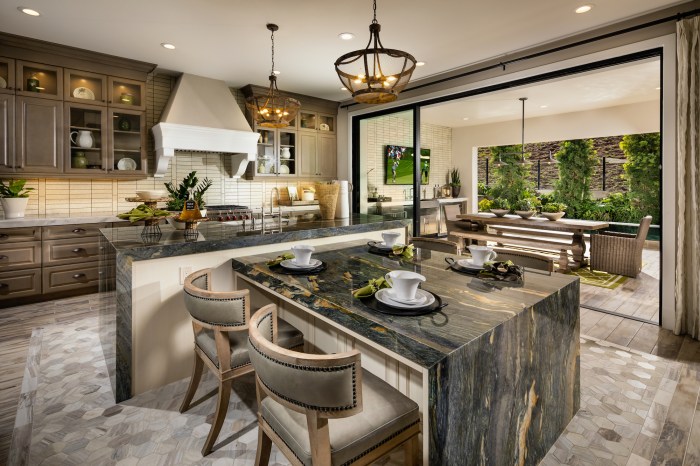
Transforming your kitchen into a luxurious haven requires careful planning and a keen eye for detail. This guide delves into the intricacies of a luxury kitchen remodel, from defining the essence of luxury in kitchen design to navigating the budgeting and execution phases. We’ll explore high-end materials, cutting-edge appliances, and innovative storage solutions, ensuring your remodel is not only aesthetically stunning but also highly functional and sustainable.
We’ll cover everything from selecting the perfect countertop material and cabinetry style to incorporating eco-friendly practices and choosing the right lighting to set the perfect ambiance. Whether you envision a modern minimalist space or a classic traditional design, we provide the knowledge and insights to guide you through every step of the process, turning your dream kitchen into a reality.
Defining Luxury in Kitchen Remodels
A luxury kitchen remodel transcends mere functionality; it’s an investment in elevated lifestyle and sophisticated design. It’s about creating a space that is not only beautiful and efficient but also reflects the homeowner’s unique taste and appreciation for quality craftsmanship. The difference between a standard remodel and a luxury one lies in the meticulous attention to detail, the use of premium materials, and the incorporation of cutting-edge technology.The key differentiators are numerous, extending beyond simple aesthetics.
A luxury remodel prioritizes bespoke design, incorporating personalized elements that align perfectly with the homeowner’s vision and lifestyle. This personalized approach ensures that the finished kitchen is not just beautiful, but also incredibly functional and comfortable for its intended users. Moreover, a commitment to sustainability and longevity is paramount in luxury projects, ensuring that the investment endures for years to come.
High-End Materials in Luxury Kitchen Renovations
Luxury kitchen renovations utilize materials known for their durability, aesthetic appeal, and exclusivity. These choices significantly impact the overall look, feel, and longevity of the space. For instance, countertops might feature expansive slabs of rare marble, such as Calacatta Gold or Statuario, known for their dramatic veining and timeless elegance. Cabinetry could be crafted from exquisite woods like hand-hewn walnut or richly stained cherry, often with custom finishes and intricate detailing.
High-end appliances, such as Sub-Zero refrigerators and Wolf ranges, are essential components, boasting superior performance and sleek designs. Backsplashes might showcase handcrafted ceramic tiles, intricate mosaics, or even slabs of polished onyx, adding texture and visual interest. Finally, bespoke hardware, from intricately designed pulls to custom-made faucets, elevates the entire design.
Design Elements Contributing to a Luxurious Kitchen
The design elements of a luxury kitchen contribute significantly to its overall ambiance and sophistication. Custom cabinetry, meticulously designed to maximize storage and functionality, is a cornerstone. These are often crafted with unique finishes and integrated features, such as hidden spice racks or pull-out pantries. The layout itself is carefully planned for optimal workflow and spaciousness, often incorporating an island or peninsula as a central gathering point.
Lighting plays a crucial role, with a layered approach that combines ambient, task, and accent lighting to create a warm and inviting atmosphere. The selection of fixtures and fittings is equally important, with high-quality faucets, sinks, and lighting fixtures selected for their aesthetic appeal and durability. A carefully curated color palette, often featuring neutral tones accented with pops of rich color, further enhances the luxurious feel.
Technological Advancements in Luxury Kitchens
Luxury kitchens often incorporate cutting-edge technology to enhance both functionality and convenience. Smart appliances, such as refrigerators with built-in touchscreens and ovens with self-cleaning features, are becoming increasingly common. Integrated sound systems allow for seamless music playback, while sophisticated lighting systems offer customizable ambiance. Automated features, such as motorized cabinets and self-closing drawers, enhance the user experience.
The integration of smart home technology allows for remote control of appliances and lighting, adding a layer of convenience and sophistication. Furthermore, the incorporation of advanced water filtration systems ensures the purest water for drinking and cooking.
Planning a Luxury Kitchen Remodel
Embarking on a luxury kitchen remodel requires meticulous planning to ensure a successful and enjoyable experience. This involves a strategic approach encompassing budgeting, timeline management, design decisions, and effective communication with professionals. Failing to adequately plan can lead to cost overruns, project delays, and ultimately, dissatisfaction with the final result. A well-defined plan acts as a roadmap, guiding the project from conception to completion.
Budgeting and Timeline for a Luxury Kitchen Remodel
Establishing a realistic budget is paramount. Luxury kitchen remodels often involve significant investment, encompassing high-end appliances, custom cabinetry, and premium materials. Begin by determining a total budget, allocating funds to specific aspects like appliances (20-30%), cabinetry (25-35%), countertops (15-20%), and labor (15-20%). Contingency funds (5-10%) should be included to accommodate unforeseen expenses. A realistic timeline depends on project complexity and contractor availability, typically ranging from 8 to 16 weeks.
However, intricate designs or supply chain issues can extend this timeframe. Breaking the project into phases with defined completion dates aids in tracking progress and managing expectations. For example, demolition could take a week, cabinetry installation three weeks, and appliance installation one week.
Crucial Decisions During the Planning Phase
The planning phase necessitates making critical decisions that significantly influence the final outcome. Appliance selection involves choosing high-end models with desired features and functionalities, considering energy efficiency and aesthetics. Layout design requires careful consideration of workflow, maximizing space utilization, and incorporating ergonomic principles. Material selection impacts the overall aesthetic and durability of the kitchen. Choosing premium materials like marble, granite, or high-end wood for countertops and cabinetry is crucial.
Lighting design plays a vital role in enhancing the ambiance and functionality of the space. Consider incorporating a mix of ambient, task, and accent lighting. Finally, integrating smart home technology, such as automated lighting, temperature control, and appliance connectivity, adds a layer of sophistication and convenience.
Checklist for a Successful Luxury Kitchen Renovation
A comprehensive checklist ensures no detail is overlooked. This includes securing necessary permits, selecting a reputable contractor and designer, finalizing design plans, selecting materials and appliances, establishing a detailed budget and payment schedule, and scheduling regular progress meetings with the contractor. Thorough communication with all stakeholders is essential to ensure everyone is aligned on the project goals and expectations.
Regular site visits during construction help to monitor progress and address any potential issues promptly. Lastly, creating a post-renovation checklist for cleaning, warranty registration, and final inspections ensures a smooth transition into enjoying the new kitchen.
Best Practices for Communication and Collaboration
Effective communication is the cornerstone of a successful luxury kitchen remodel. Maintain open and consistent communication channels with the contractor and designer. Regular meetings, email updates, and detailed documentation keep everyone informed about the project’s progress, changes, and potential challenges. Establish clear expectations regarding timelines, budgets, and communication protocols from the outset. A well-defined contract outlining the scope of work, payment terms, and responsibilities minimizes misunderstandings and disputes.
Actively participate in the decision-making process and provide prompt feedback to ensure the project aligns with your vision. Collaboration with the design team, contractor, and subcontractors ensures seamless integration of different aspects of the project.
Appliances and Fixtures in Luxury Kitchens

The heart of a luxury kitchen remodel lies not just in its design, but in the quality and functionality of its appliances and fixtures. These elements contribute significantly to both the aesthetic appeal and the overall user experience, demanding careful consideration of various high-end options available in the market. Selecting the right appliances and fixtures elevates the kitchen from merely functional to truly luxurious.
High-End Appliance Brands and Features
Several leading brands dominate the high-end appliance market, each offering unique features and design aesthetics. Sub-Zero and Wolf, often paired together, are synonymous with professional-grade performance and sleek, modern designs. Their refrigerators boast advanced features like precise temperature control and multiple climate zones, while their ranges offer powerful burners and versatile ovens. In contrast, Miele appliances are known for their quiet operation, innovative technology, and sophisticated European styling.
Their built-in coffee systems and advanced dishwashers are particularly noteworthy. Finally, La Cornue ranges, with their iconic French design and customizable options, represent the pinnacle of luxury cooking, offering unparalleled performance and a striking visual presence. Each brand caters to a specific design preference and prioritizes different performance aspects, allowing for personalized choices based on individual needs and aesthetic sensibilities.
Countertop Materials for Luxury Kitchens
The choice of countertop material significantly impacts the overall look and feel of a luxury kitchen. Quartz, like Caesarstone or Silestone, offers durability, stain resistance, and a wide array of colors and patterns. It is a popular choice for its low maintenance requirements and sophisticated appearance. Marble, on the other hand, exudes timeless elegance but requires more diligent care due to its susceptibility to staining and etching.
Its unique veining and luxurious feel, however, remain highly sought after. Another option is granite, known for its exceptional durability and wide variety of colors and textures. However, it may require sealing to prevent staining. Finally, engineered stone, such as Dekton, offers superior resistance to heat, scratches, and stains, making it a practical and stylish choice for high-traffic kitchens.
The optimal material depends on the desired aesthetic, maintenance preferences, and budget.
Luxury Kitchen Sinks and Faucets
Luxury kitchen sinks often go beyond mere functionality, becoming design statements themselves. Materials such as copper, stainless steel with unique finishes (like brushed nickel or oil-rubbed bronze), and even composite materials with integrated drainboards offer both aesthetic and practical advantages. Key features include deep basins for easy cleaning, integrated strainers, and quiet operation. Similarly, luxury faucets move beyond simple functionality.
High-arc designs provide ample clearance for large pots and pans, while features such as pull-down sprayers, touch-less operation, and temperature control add convenience and sophistication. Materials such as polished chrome, brushed nickel, and even solid brass contribute to the overall luxurious feel.
Lighting in Luxury Kitchens
Strategic lighting is paramount in creating a luxurious kitchen atmosphere. It sets the mood, highlights architectural details, and enhances the overall ambiance. Different lighting types offer distinct advantages, and a layered approach, incorporating various options, is often preferred.
| Lighting Type | Features | Cost Range | Pros/Cons |
|---|---|---|---|
| Recessed Lighting | Provides general illumination, energy-efficient options available, easily adjustable. | $$-$$$ | Pros: Versatile, even lighting. Cons: Can be less aesthetically pleasing on their own, requires careful placement. |
| Pendant Lighting | Creates focal points, offers various styles and materials, can be dimmed for ambiance. | $$$-$$$$ | Pros: Stylish, adds visual interest. Cons: Can be less energy-efficient than recessed, may not provide even illumination. |
| Under-Cabinet Lighting | Task lighting for work areas, enhances countertop visibility, adds a modern touch. | $-$$ | Pros: Functional, improves visibility. Cons: Can be less visually striking on its own, requires careful placement. |
Cabinetry and Storage Solutions
The heart of any luxury kitchen remodel lies in its cabinetry. More than mere storage, cabinetry defines the aesthetic, dictates functionality, and significantly impacts the overall feel of the space. Careful consideration of design, materials, and hardware is paramount to achieving a truly luxurious outcome. This section explores the key elements involved in selecting and installing exceptional kitchen cabinetry.
Custom cabinetry offers unparalleled flexibility in maximizing storage within the constraints of even the most uniquely shaped kitchen. Tailored solutions can address specific needs, such as incorporating pull-out pantries, spice racks, or specialized utensil organizers. The result is a kitchen that functions efficiently and beautifully, accommodating all culinary needs with ease.
Custom Cabinetry Design for Optimized Storage
Designing custom cabinetry involves a collaborative process between the homeowner, designer, and cabinet maker. Detailed measurements are crucial, followed by the development of a comprehensive plan that incorporates all desired features. This might include deep drawers for pots and pans, narrow pull-outs for spices, and vertical storage for frequently used items. Careful consideration of cabinet depth, height, and internal configurations is key to ensuring optimal accessibility and ease of use.
For example, a pull-out pantry system allows for easy access to canned goods and dry ingredients, eliminating the need to rummage through deep shelves.
Cabinet Styles for Luxury Kitchens
Several cabinetry styles lend themselves well to a luxury kitchen remodel. Traditional styles, such as Shaker or raised-panel cabinets, offer timeless elegance and often feature high-quality wood such as cherry or walnut. Modern styles, characterized by sleek lines and minimalist designs, frequently incorporate materials like lacquered wood or high-gloss finishes. Transitional styles blend elements of both, creating a sophisticated and versatile aesthetic.
The choice ultimately depends on the overall design scheme and personal preference. A high-end kitchen might feature a combination of styles, using traditional cabinets in one area and modern cabinets in another to create visual interest and functionality.
Innovative Storage Solutions
Beyond traditional cabinetry, innovative storage solutions can significantly enhance both functionality and aesthetics. These might include built-in appliance garages to conceal small appliances, pull-out spice racks that maximize vertical space, or lazy Susan corner units that provide easy access to hard-to-reach areas. Under-cabinet lighting can illuminate interior spaces, making it easier to locate items. Custom drawer dividers keep utensils and cookware organized, preventing clutter and promoting efficient workflow.
A well-planned pantry with adjustable shelving allows for customization to accommodate different sizes of food items.
Selecting Finishes and Hardware for Luxury Cabinets
The selection of finishes and hardware plays a pivotal role in determining the overall luxury of the kitchen cabinets. High-quality wood veneers, custom paint finishes, and durable lacquer coatings are all popular choices. Hardware should complement the cabinet style and overall design aesthetic, with options ranging from sleek, modern pulls to ornate, traditional knobs. Consider the durability and longevity of the chosen materials, as well as their resistance to scratches, stains, and wear.
For instance, a brushed nickel finish on the hardware provides a classic and sophisticated look that complements both traditional and modern cabinetry. The selection of finishes and hardware is a crucial step in creating a cohesive and luxurious look for the entire kitchen.
Kitchen Renovation
Embarking on a luxury kitchen remodel is an exciting yet complex undertaking. Careful planning and budgeting are crucial to ensure the project aligns with your vision and financial capabilities. Understanding the cost breakdown and employing effective cost-management strategies are key to a successful and stress-free renovation.
Budget Breakdown for a Luxury Kitchen Remodel
A luxury kitchen remodel involves significant investment. The following sample budget breakdown provides a general framework. Actual costs will vary depending on location, materials chosen, and the complexity of the design. This is merely a guideline to help you start your planning.
| Category | Percentage of Total Budget | Example Cost (USD) |
|---|---|---|
| Cabinetry & Countertops | 30-40% | $30,000 – $40,000 |
| Appliances | 20-25% | $20,000 – $25,000 |
| Plumbing & Fixtures | 10-15% | $10,000 – $15,000 |
| Labor | 20-25% | $20,000 – $25,000 |
| Permits & Inspections | 5-10% | $5,000 – $10,000 |
| Design & Planning | 5-10% | $5,000 – $10,000 |
Cost Management Strategies
Effective cost management involves proactive planning and strategic decision-making. Prioritizing needs versus wants, exploring different material options, and negotiating with contractors are crucial steps. For instance, opting for semi-custom cabinetry instead of fully custom can significantly reduce costs without compromising quality. Similarly, exploring alternative countertop materials like engineered quartz instead of high-end marble can also yield savings.
Cost-Saving Measures Without Compromising Quality
Achieving cost savings doesn’t necessarily mean sacrificing quality. Careful selection of materials and fixtures can achieve significant reductions. For example, using readily available, high-quality materials instead of rare or imported options can substantially lower costs. Prioritizing energy-efficient appliances not only saves money in the long run but also aligns with environmentally conscious design.
Securing Financing for a Luxury Kitchen Remodel
Several financing options exist for luxury kitchen remodels. Home equity loans or lines of credit can be utilized, leveraging the existing equity in your home. Personal loans offer another avenue, though interest rates may vary. Finally, many contractors offer financing plans, allowing you to spread the cost over a period of time. It’s advisable to compare interest rates and repayment terms before selecting a financing option.
Thorough research and planning are essential to secure the most suitable financing solution for your specific needs and circumstances.
Sustainability and Eco-Friendly Choices in Luxury Kitchen Design
Creating a luxury kitchen doesn’t necessitate compromising environmental responsibility. In fact, incorporating sustainable practices can enhance both the aesthetic appeal and the long-term value of your remodel. By thoughtfully selecting materials and appliances, you can create a space that is both opulent and environmentally conscious.
Sustainable Materials for Luxury Kitchen Countertops and Cabinetry
Sustainable materials offer a luxurious aesthetic while minimizing environmental impact. Reclaimed wood, for instance, provides unique character and reduces the demand for newly harvested timber. Its inherent variations in color and grain create a stunning visual effect, particularly suitable for island countertops or custom cabinetry. Similarly, countertops made from recycled glass or concrete offer a modern, sleek look while diverting waste from landfills.
These materials often boast exceptional durability, further contributing to their long-term value. Consider also bamboo, a rapidly renewable resource that can be used for cabinetry and flooring, offering a warm and elegant alternative to traditional hardwoods. The inherent strength and beauty of these materials translate into a luxurious feel without the environmental cost.
Eco-Friendly Appliances and Fixtures for Luxury Kitchens
Energy-efficient appliances are key to a sustainable luxury kitchen. High-efficiency refrigerators, dishwashers, and ovens significantly reduce energy consumption without sacrificing performance. Look for appliances with Energy Star certification, indicating that they meet strict energy-efficiency guidelines. Water-saving fixtures, such as low-flow faucets and showerheads, contribute to water conservation. These fixtures often feature sophisticated designs that complement a high-end kitchen aesthetic, demonstrating that sustainability and luxury are not mutually exclusive.
For example, a sleek, minimalist faucet with a low-flow aerator can conserve water without compromising style or pressure. Similarly, a high-efficiency dishwasher can clean dishes thoroughly while using significantly less water and energy than older models.
Energy-Efficient Design in Luxury Kitchen Renovations
Energy-efficient design extends beyond individual appliances. Proper insulation in walls and ceilings minimizes energy loss, reducing reliance on heating and cooling systems. Strategically placed windows can maximize natural light, reducing the need for artificial lighting. The incorporation of LED lighting throughout the kitchen further contributes to energy savings, providing bright, long-lasting illumination. These design choices not only lower utility bills but also contribute to a smaller carbon footprint, aligning with the growing demand for environmentally conscious luxury living.
For instance, a well-insulated kitchen will require less energy to maintain a comfortable temperature, leading to lower energy bills and a reduced environmental impact.
Impact of Sustainable Choices on Cost and Environmental Footprint
While some sustainable materials and appliances might have a higher initial cost, their long-term benefits often outweigh the upfront investment. Energy-efficient appliances lead to lower utility bills over time, effectively offsetting the initial price difference. Moreover, the durability of sustainable materials reduces the need for frequent replacements, resulting in cost savings in the long run. The environmental impact is significant: reduced energy consumption lowers greenhouse gas emissions, while the use of recycled and reclaimed materials diverts waste from landfills.
Choosing sustainable options contributes to a smaller carbon footprint, aligning with responsible and ethical consumption patterns. For example, a high-efficiency refrigerator may cost more upfront, but its lower energy consumption over its lifespan will result in significant savings on electricity bills, making it a financially sound and environmentally responsible choice.
Luxury Kitchen Design Styles
The style of your luxury kitchen significantly impacts its overall aesthetic and functionality. Choosing the right design style depends on your personal preferences, the architectural style of your home, and the desired atmosphere. This section will explore three distinct luxury kitchen design styles, highlighting their key characteristics and demonstrating how they can be incorporated into various home settings.
Modern Luxury Kitchen Design
Modern luxury kitchens prioritize clean lines, minimalist aesthetics, and high-end materials. Imagine sleek, handleless cabinetry in high-gloss white lacquer or a rich, dark wood veneer. Countertops are typically made of quartz or marble, exhibiting a seamless, unbroken surface. Appliances are integrated seamlessly into the cabinetry, maintaining a streamlined look. Lighting plays a crucial role, with recessed lighting complemented by statement pendant lights above an island or breakfast bar.
A neutral color palette, perhaps punctuated by a single bold accent color, is common. The overall effect is one of sophisticated simplicity and understated elegance. This style works exceptionally well in contemporary homes with open-plan layouts, creating a sense of spaciousness and modernity. A modern luxury kitchen might also incorporate smart home technology, further enhancing its convenience and sophistication.
Traditional Luxury Kitchen Design
Traditional luxury kitchens evoke a sense of timeless elegance and warmth. Think ornate cabinetry crafted from rich, dark woods like cherry or mahogany, often featuring intricate detailing and raised panel doors. Countertops might be made of marble or granite, possibly with a more textured or veined appearance than in a modern kitchen. Appliances are often high-end but may be less integrated, allowing their design to contribute to the overall aesthetic.
Lighting might include ornate chandeliers or wall sconces, adding to the feeling of opulence. A warm color palette, incorporating creams, beiges, and deep jewel tones, creates a cozy and inviting atmosphere. This style is particularly well-suited to homes with traditional architectural features, such as crown molding, detailed woodwork, and high ceilings. A traditional luxury kitchen can easily complement a Victorian, Georgian, or Colonial-style home, enhancing its classic charm.
Farmhouse Luxury Kitchen Design
Farmhouse luxury kitchens blend rustic charm with modern conveniences. Imagine cabinetry in a painted finish, perhaps a soft white or a muted pastel, complemented by open shelving to display fine china or cookbooks. Countertops might be made of butcher block or a honed natural stone, showcasing a more organic and textured look. Appliances are typically high-end but may have a slightly more rustic or vintage-inspired aesthetic.
Lighting might incorporate industrial-style pendants or farmhouse-style sconces. A neutral color palette, often with touches of natural wood and metal accents, creates a warm and inviting atmosphere. This style can be seamlessly integrated into homes with rustic or craftsman architectural features, complementing exposed beams, brick walls, and large windows. A farmhouse luxury kitchen can also work well in more contemporary homes, offering a touch of rustic charm and warmth to an otherwise modern space.
The key is to balance the rustic elements with high-end finishes and appliances to achieve a truly luxurious feel.
Ultimately, a luxury kitchen remodel is more than just an upgrade; it’s an investment in your lifestyle and the heart of your home. By thoughtfully considering design elements, materials, appliances, and budget, you can create a space that reflects your personal style and enhances your daily life. This comprehensive guide has provided the tools and information necessary to navigate this exciting journey, empowering you to make informed decisions and achieve the luxurious kitchen of your dreams.
Essential Questionnaire
How long does a luxury kitchen remodel typically take?
The timeline varies significantly depending on the scope of the project, but expect anywhere from 8 to 16 weeks, or even longer for extensive renovations.
What is the average cost of a luxury kitchen remodel?
Costs are highly variable and depend on factors like size, materials, appliances, and labor. Expect to spend a minimum of $50,000, with high-end projects exceeding $100,000 or more.
Do I need a designer for a luxury kitchen remodel?
While not strictly necessary, a designer can significantly enhance the process. They provide expertise in space planning, material selection, and overall design cohesion, maximizing the outcome of your investment.
How do I find a reputable contractor for my luxury kitchen remodel?
Get multiple quotes, check references, verify licenses and insurance, and look for contractors with experience in luxury kitchen renovations. Online reviews and industry associations can also be helpful.


