
Transforming your kitchen into a charming farmhouse haven is a rewarding endeavor. This guide delves into the intricacies of farmhouse kitchen renovations, from initial planning and design to the final touches that create a space brimming with rustic warmth and modern functionality. We’ll explore the key characteristics of this popular style, offering practical advice and inspiring ideas to help you achieve your dream kitchen.
Whether you’re aiming for a traditional farmhouse aesthetic or a more contemporary interpretation, this comprehensive resource provides a step-by-step approach to planning, budgeting, and executing your renovation project. We cover everything from choosing the right cabinetry and countertops to selecting appliances and fixtures that perfectly complement the overall design. We’ll also address common challenges and offer solutions to ensure a smooth and successful renovation.
Defining the Farmhouse Kitchen Style
The farmhouse kitchen style embodies a blend of rustic charm and practical functionality, creating a space that feels both welcoming and effortlessly stylish. It draws inspiration from the kitchens of traditional farmhouses, emphasizing natural materials, simple designs, and a sense of warmth and comfort. This style transcends fleeting trends, offering enduring appeal for homeowners seeking a timeless aesthetic.
Key characteristics of a farmhouse kitchen include its emphasis on natural light, often achieved through large windows and bright color palettes. The overall feeling is one of openness and spaciousness, even in smaller kitchens. Functionality is paramount, with ample counter space and storage solutions cleverly integrated into the design. A blend of old and new is often incorporated, showcasing vintage elements alongside modern appliances.
Materials Used in Farmhouse Kitchen Design
The selection of materials plays a crucial role in defining the farmhouse aesthetic. The following table illustrates common choices and their typical applications:
| Material | Color Palette | Texture | Example Use |
|---|---|---|---|
| Wood | Warm neutrals, whites, grays | Rough-hewn, smooth, distressed | Cabinets, countertops, flooring, beams |
| Stone | Cream, beige, gray, black | Rough, smooth, polished | Countertops, backsplashes, flooring |
| Metal | Black, pewter, brushed nickel | Matte, brushed, polished | Hardware, lighting fixtures, sinks |
| Ceramic | White, cream, pastels | Smooth, glazed | Tiles for backsplash, flooring |
Traditional vs. Modern Farmhouse Kitchen Styles
While both styles share a common foundation in rustic charm, they differ in their approach to design elements and overall aesthetic. Traditional farmhouse kitchens lean heavily into vintage details, incorporating antique furniture, distressed finishes, and a more overtly rustic feel. Modern farmhouse kitchens, on the other hand, maintain the warmth and character of the style but incorporate cleaner lines, sleek appliances, and a more minimalist approach to decor.
The difference lies primarily in the level of ornamentation and the degree of contemporary influence. For example, a traditional farmhouse kitchen might feature a heavily distressed wooden island with ornate hardware, while a modern farmhouse kitchen might opt for a simpler, more streamlined island with brushed nickel pulls.
Design Elements Evoking Rustic Charm and Warmth
Several design elements contribute to the characteristic warmth and rustic charm of a farmhouse kitchen. Exposed wooden beams add a touch of architectural interest and highlight the natural beauty of the wood. Open shelving displays treasured dishes and cookware, creating a sense of lived-in comfort. A large, farmhouse-style sink, often made of apron-front cast iron or ceramic, becomes a focal point of the kitchen.
The use of vintage or antique accents, such as repurposed furniture or decorative elements, further enhances the rustic appeal. Natural fiber rugs, woven textiles, and floral patterns add to the overall cozy and welcoming atmosphere. A mix of textures, from the smooth surface of a stone countertop to the rough texture of a wooden beam, creates visual interest and depth.
Finally, incorporating natural light through ample windows and skylights is essential for creating a bright and airy space that reflects the openness and simplicity of the farmhouse aesthetic.
Planning the Renovation
Transforming your kitchen into a charming farmhouse haven requires meticulous planning. A well-structured approach ensures a smooth renovation process, minimizing stress and maximizing the outcome. This section Artikels the key steps to guide you through this exciting project.
A successful farmhouse kitchen renovation hinges on thorough planning. This involves a detailed step-by-step guide, a comprehensive checklist, a realistic budget, and securing the necessary permits. Let’s delve into each aspect.
Step-by-Step Renovation Guide
A phased approach simplifies the complexity of a kitchen renovation. Breaking down the project into manageable steps allows for better control and reduces the likelihood of unforeseen delays or cost overruns. A typical sequence might look like this:
- Design & Planning: Finalize the design, including layout, materials, and appliances. This stage involves detailed measurements, material selection, and appliance ordering.
- Demolition & Prep: Carefully remove existing cabinetry, countertops, flooring, and fixtures. Prepare the space for new installations, ensuring proper disposal of waste materials.
- Plumbing & Electrical: Install or relocate plumbing and electrical lines as needed. This often requires professional expertise and adherence to building codes.
- Cabinet Installation: Install new cabinets, ensuring proper alignment and functionality. Consider pre-assembling cabinets off-site to save time.
- Countertop Installation: Install countertops, paying close attention to detail and ensuring proper sealing. This step often requires specialized tools and expertise.
- Flooring Installation: Install new flooring, ensuring a smooth and level surface. This could involve tiling, hardwood installation, or other flooring materials.
- Backsplash Installation: Install the backsplash, carefully aligning tiles or other materials. This adds a finishing touch to the kitchen’s design.
- Appliance Installation: Install new appliances, ensuring proper ventilation and connection to utilities.
- Finishing Touches: Install lighting fixtures, hardware, and other finishing touches. This includes adding final details like paint and decorative elements.
- Final Inspection & Cleanup: Conduct a final inspection to ensure everything is functional and meets expectations. Thoroughly clean the entire kitchen.
Essential Considerations Checklist
Before commencing the renovation, a thorough checklist ensures a smoother process. Overlooking crucial aspects can lead to costly delays and compromises in the final outcome.
- Secure necessary permits and approvals.
- Establish a detailed budget and stick to it.
- Choose reliable contractors and suppliers.
- Plan for potential delays and unexpected costs.
- Protect adjacent areas from dust and debris.
- Arrange for temporary kitchen facilities if necessary.
- Consider the impact on household routines.
Realistic Budget Breakdown
A well-defined budget is crucial for managing the financial aspects of the renovation. Unexpected expenses can derail even the most well-planned projects. Consider allocating funds for the following:
| Item | Estimated Cost Range |
|---|---|
| Design & Planning | $500 – $2,000 |
| Demolition & Prep | $1,000 – $5,000 |
| Cabinets | $5,000 – $20,000 |
| Countertops | $3,000 – $10,000 |
| Flooring | $2,000 – $8,000 |
| Appliances | $3,000 – $15,000 |
| Plumbing & Electrical | $2,000 – $8,000 |
| Labor | $10,000 – $40,000+ |
| Contingency (10-20%) | Variable |
Note: These are estimates and actual costs can vary significantly based on location, materials, and contractor fees. Always obtain multiple quotes.
Securing Necessary Permits and Approvals
Obtaining the necessary permits and approvals is a crucial legal and safety requirement. Failure to do so can result in fines, delays, and even the need for costly rework.
The specific permits required will vary depending on your location and the scope of the renovation. Generally, you’ll need permits for any work involving plumbing, electrical, and structural changes. Contact your local building department early in the planning phase to determine the necessary permits and the application process. This ensures compliance with building codes and avoids potential legal issues.
Cabinetry and Countertops
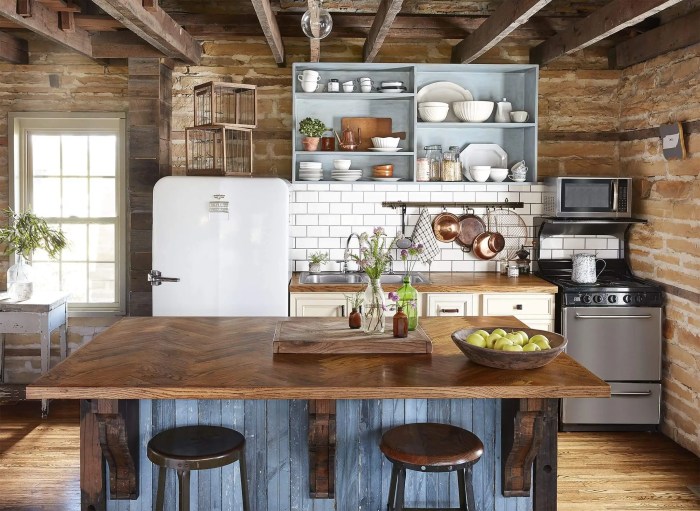
The heart of any farmhouse kitchen lies in its cabinetry and countertops. These elements not only define the aesthetic but also heavily influence the functionality and overall feel of the space. Careful consideration of style, material, and placement is crucial for creating a kitchen that is both beautiful and practical.
Farmhouse Cabinet Styles
Several cabinet styles lend themselves beautifully to the farmhouse aesthetic. Shaker cabinets, with their simple, clean lines and recessed panel doors, are a classic choice, offering a timeless appeal that complements the rustic charm of a farmhouse kitchen. Raised-panel cabinets, featuring raised detailing on the doors, provide a more ornate and traditional look. Alternatively, beadboard cabinets, incorporating the texture of beadboard panels, add a touch of rustic elegance.
The choice ultimately depends on the desired level of formality and the overall design scheme of the kitchen. For a truly authentic feel, consider incorporating a mix of cabinet styles or incorporating open shelving for a more relaxed, lived-in look.
Countertop Material Comparison
The selection of countertop material significantly impacts both the appearance and durability of the kitchen. Several popular options offer varying benefits and drawbacks. The following table provides a comparison:
| Material | Pros | Cons | Cost (Approximate Range) |
|---|---|---|---|
| Butcher Block | Warm, natural look; durable; easily repaired; can be refinished. | Requires regular oiling; susceptible to water damage if not properly sealed; can be scratched or stained. | $$ – $$$ |
| Granite | Durable; heat-resistant; wide variety of colors and patterns; elegant appearance. | Can be porous; requires sealing; expensive; can chip or crack. | $$$ – $$$$ |
| Quartz | Durable; non-porous; low maintenance; wide variety of colors and patterns; resistant to stains and scratches. | Can be less heat-resistant than granite; can be more expensive than butcher block. | $$$ – $$$$ |
Note
Cost ranges are approximate and can vary widely based on factors such as quality, installation, and location.* $$ represents a lower cost, $$$ a mid-range cost, and $$$$ a higher cost.
Choosing Cabinet Hardware
Cabinet hardware plays a surprisingly significant role in establishing the farmhouse aesthetic. Simple, functional knobs and pulls in materials like brushed nickel, oil-rubbed bronze, or black matte finishes often complement the rustic charm. Consider using knobs on smaller cabinets and drawers and pulls on larger ones for ease of use. For a more eclectic farmhouse style, a mix of hardware styles can add visual interest, but maintaining a cohesive color palette is key.
Avoid overly ornate or modern hardware; the goal is to create a look that is both practical and aesthetically pleasing within the overall farmhouse theme.
Efficient Farmhouse Kitchen Cabinet Layout
Efficient cabinet placement is paramount in a farmhouse kitchen. A common approach involves a combination of base cabinets, wall cabinets, and potentially an island or peninsula. Base cabinets should be strategically positioned to maximize workspace and storage near the sink, stove, and refrigerator, following the “work triangle” principle. Wall cabinets should be installed at a comfortable height, allowing easy access to frequently used items.
An island or peninsula can provide additional counter space, storage, and seating. Consider incorporating open shelving for displaying decorative items or frequently used dishes, adding to the overall charm of the farmhouse design. Careful planning and measurement are essential to ensure that the cabinetry layout optimizes both space and functionality.
Appliances and Fixtures
Selecting the right appliances and fixtures is crucial for achieving a cohesive farmhouse aesthetic in your kitchen renovation. The goal is to blend practicality with charm, creating a space that feels both functional and inviting. Careful consideration of style, material, and functionality will ensure your choices complement the overall design and enhance the ambiance of your farmhouse kitchen.
Appliance Styles for a Farmhouse Kitchen
Farmhouse kitchens often favor appliances with a clean, classic look, often featuring muted colors or stainless steel finishes that won’t clash with the rustic charm of the overall design. White appliances, reminiscent of vintage styles, are a popular choice, offering a timeless appeal. However, stainless steel appliances, while more modern, can also work well if chosen carefully; a brushed or matte finish can soften the look and prevent it from feeling too industrial.
Avoid overly sleek or modern designs, as these can detract from the rustic feel. Consider appliances with slightly rounded edges and details that hint at a more traditional design. For example, a range with a cast-iron cooktop can add a touch of rustic charm, while a refrigerator with simple lines and a slightly aged finish can contribute to the overall aesthetic.
Incorporating Vintage or Antique Appliances
Integrating vintage or antique appliances can add a significant layer of character and authenticity to a farmhouse kitchen. A restored vintage stove, for instance, can become a stunning focal point, showcasing its unique patina and historical details. Similarly, an antique icebox, repurposed as additional storage, can add a charming touch. However, incorporating vintage appliances requires careful planning. Ensure the appliances are in good working order or can be professionally restored.
Consider the appliance’s size and dimensions to ensure they fit seamlessly into your kitchen layout. You may need to compromise on some modern conveniences, such as self-cleaning ovens or energy-efficient features. The trade-off, however, is a unique and visually striking kitchen that truly reflects the farmhouse aesthetic. For example, a beautifully restored 1950s refrigerator, with its rounded curves and pastel color, would create a striking visual contrast against more modern cabinetry.
Farmhouse-Style Sinks and Faucets
The sink and faucet are focal points in any kitchen, and choosing the right ones for a farmhouse design is key. Farmhouse sinks, often made of durable materials like cast iron or porcelain, are characterized by their large, apron-front design. These sinks add a touch of rustic charm and provide ample space for washing dishes and prepping food.
The apron-front style typically extends outward from the countertop, adding visual interest and a touch of old-world elegance. A classic farmhouse faucet complements this style beautifully. Look for faucets with a bridge-style design, a high-arc spout for easy filling of pots and pans, and a durable finish, such as oil-rubbed bronze or brushed nickel. These finishes create a sense of warmth and age, fitting perfectly within the farmhouse theme.
Lighting Fixtures to Enhance Ambiance
Lighting plays a crucial role in setting the mood and ambiance of a farmhouse kitchen. Avoid harsh, overhead fluorescent lighting. Instead, opt for a combination of lighting sources to create a warm and inviting atmosphere. Pendant lights, particularly those with glass shades or exposed bulbs, can add a touch of rustic charm above an island or breakfast bar.
Recessed lighting can provide general illumination, while sconces on the walls can offer focused task lighting and accentuate architectural details. Consider using dimmers to adjust the brightness and create different moods throughout the day. For example, a cluster of antique-style pendant lights with Edison bulbs over a farmhouse table creates a warm, inviting glow. Wall-mounted sconces with wrought iron accents can add a touch of rustic elegance while illuminating countertops.
Flooring and Backsplash
Choosing the right flooring and backsplash is crucial for creating a functional and aesthetically pleasing farmhouse kitchen. These elements significantly impact the overall look and feel of the space, requiring careful consideration of both practicality and style. The right choices will enhance the durability and beauty of your renovated kitchen for years to come.
The selection of flooring and backsplash materials should complement the existing design elements, such as cabinetry and countertops, to create a cohesive and harmonious atmosphere. Durability and ease of maintenance are also key factors to consider, especially in a high-traffic area like a kitchen. Practicality should not be sacrificed for aesthetics, and vice versa; a successful design balances both.
Flooring Materials for Farmhouse Kitchens
Farmhouse kitchens often benefit from flooring materials that evoke a sense of rustic charm and warmth while being durable enough to withstand daily wear and tear. Several options provide both aesthetic appeal and practical functionality.
- Wide Plank Wood Flooring: Wide plank wood flooring, particularly in reclaimed or slightly distressed finishes, instantly creates a rustic farmhouse feel. Hardwoods like oak or hickory are excellent choices for their durability. Consider a lighter stain for a brighter, airier feel or a darker stain for a more dramatic, cozy atmosphere. Proper sealing is essential for protection against spills and moisture.
- Ceramic or Porcelain Tile: Ceramic and porcelain tiles offer a wide range of styles, from rustic terracotta to sleek, farmhouse-inspired patterns. They are highly durable, easy to clean, and water-resistant, making them ideal for kitchen environments. Consider larger format tiles for a more modern feel or smaller tiles for a more traditional look. Textured tiles can add visual interest.
- Stone Flooring: Natural stone, such as slate, limestone, or flagstone, adds a touch of elegance and rustic charm. These materials are durable and long-lasting, but can be more expensive than other options. Proper sealing is necessary to protect against staining. The natural variations in color and texture contribute to the unique character of stone flooring.
Backsplash Materials and Design
The backsplash serves both a functional and aesthetic purpose, protecting the wall from splashes and adding a design element to the kitchen. Choosing the right material and layout is crucial for achieving the desired farmhouse aesthetic.
- Subway Tile: Classic white subway tile is a timeless choice for farmhouse kitchens. Its clean lines and simple elegance complement a variety of design styles. Consider using a slightly off-white or cream color for a warmer, more rustic feel. Laying the tiles in a traditional running bond pattern or a more modern herringbone pattern offers design flexibility.
- Natural Stone: Natural stone backsplashes, such as marble, granite, or soapstone, add a touch of luxury and sophistication. Their unique veining and color variations create a visually stunning focal point. However, they require more maintenance than other materials and may be more susceptible to staining.
- Brick: Exposed brick or brick-look tiles provide a rustic and charming touch, perfectly complementing the farmhouse aesthetic. The texture and warmth of brick create a welcoming atmosphere. Consider using a whitewashed or painted brick for a more modern take on the traditional look.
- Metal: Metal backsplashes, such as stainless steel or copper, offer a sleek and modern contrast to the rustic elements of a farmhouse kitchen. They are easy to clean and highly durable. A copper backsplash will develop a unique patina over time, adding to its character.
Backsplash Layout Design
A well-designed backsplash layout enhances both the functionality and aesthetics of the kitchen. Consider incorporating a mix of materials or patterns to create visual interest.
For example, a design could incorporate a combination of white subway tiles as the main area with a narrow band of a contrasting material like a dark-colored natural stone or patterned tile as an accent. This creates a visually appealing focal point without being overwhelming. Another option could be using larger format tiles in the main area and smaller tiles in a specific section, like above the stove or sink, creating a defined and functional zone.
The design should be balanced and not overly busy, ensuring that it complements the overall kitchen design.
Installing Flooring and Backsplash Materials
Installing flooring and backsplash materials requires careful planning and execution. While DIY is possible for some materials, professional installation is often recommended, especially for complex designs or delicate materials. Proper preparation of the surface is crucial for a successful installation. This includes ensuring the surface is clean, level, and free of any debris. Following the manufacturer’s instructions is essential for achieving optimal results and maintaining the warranty.
For flooring, the process generally involves removing the old flooring, preparing the subfloor, installing the new flooring, and then applying any necessary sealant or finishing touches. For backsplashes, the process typically involves measuring and cutting the tiles, applying thinset mortar, and grouting the spaces between the tiles. Proper sealing and cleaning are important steps in both processes to ensure longevity and maintain the aesthetic appeal.
Adding Farmhouse Touches
The foundation of your farmhouse kitchen renovation is complete, but the true charm lies in the carefully curated details. Adding the right decorative elements transforms a functional space into a warm, inviting heart of the home. This section focuses on incorporating those finishing touches that truly capture the essence of farmhouse style.
Decorative Elements for a Farmhouse Kitchen
The selection of decorative elements plays a crucial role in establishing the overall aesthetic. Consider these options to enhance your kitchen’s farmhouse charm:
| Element | Material | Placement | Example |
|---|---|---|---|
| Open shelving | Reclaimed wood, painted wood | Above countertops, along a wall | Simple, rustic shelves displaying vintage crockery and cookbooks. |
| Mason jars | Glass | Open shelves, countertops | Filled with dried flowers, herbs, or utensils. |
| Vintage signs | Metal, wood | Walls, above cabinets | A charming “Farm Fresh” sign or a vintage advertisement for baking supplies. |
| Metal accents | Cast iron, galvanized steel | Walls, countertops | A cast iron trivet or a galvanized steel utensil holder. |
Incorporating Open Shelving
Open shelving is a signature element of farmhouse design. It offers a functional and aesthetically pleasing way to display dishes, glassware, and cookbooks, adding a sense of warmth and character to the space. Consider the placement carefully; open shelving above the countertops provides easy access to frequently used items. The shelves themselves should complement the overall style, whether that’s rustic reclaimed wood or painted wood for a slightly more modern take.
Remember to carefully curate what you display; a well-organized and visually appealing arrangement is key. Avoid overcrowding the shelves.
Using Textiles and Fabrics
Textiles and fabrics introduce warmth and texture, softening the overall aesthetic and creating a cozy atmosphere. Consider incorporating natural fibers like linen and cotton in your choice of dish towels, curtains, and even a runner for your kitchen table. A simple linen curtain can add a touch of elegance, while a charming patchwork quilt draped over kitchen chairs injects a playful element.
These textiles should coordinate with the overall color palette, but also allow for a bit of personality and visual interest. The textures and patterns can enhance the visual depth of the space, adding a layer of comfort and inviting appeal.
Mood Board: Farmhouse Kitchen Renovation
Imagine a mood board showcasing a palette of warm creams, soft grays, and muted blues. The main image would be a wide shot of a kitchen featuring white shaker cabinets with black hardware, complemented by a butcher block countertop. A large, farmhouse-style sink sits beneath a window, overlooking a garden. Smaller images would showcase details such as a vintage enamelware pitcher, a collection of mason jars filled with herbs, and a simple linen dish towel draped over a cabinet knob.
The overall feel is one of rustic elegance, blending modern functionality with the timeless charm of a traditional farmhouse kitchen. The lighting is soft and natural, further emphasizing the warm and inviting atmosphere.
Kitchen Renovation in General
Undertaking a kitchen renovation is a significant undertaking, demanding careful planning and execution to ensure a successful outcome. Failing to adequately prepare can lead to cost overruns, project delays, and ultimately, dissatisfaction with the final result. A well-structured approach minimizes these risks and maximizes the chances of achieving a beautiful and functional space.
Project Planning Importance
Thorough project planning is the cornerstone of a successful kitchen renovation. This involves defining a realistic budget, creating detailed designs, selecting materials and appliances, and establishing a clear timeline. Without a comprehensive plan, the project can easily become chaotic, leading to unforeseen expenses and delays. For example, failing to account for plumbing or electrical work during the design phase can result in significant cost increases and schedule disruptions later in the project.
A detailed plan allows for proactive problem-solving and prevents costly mistakes. This plan should encompass everything from initial demolition to final clean-up, including contingency plans for potential issues.
Contractor Selection
Choosing the right contractor is crucial for a smooth and successful renovation. Several factors should be considered when making this important decision. These include verifying their license and insurance, reviewing their portfolio of past projects, obtaining multiple bids, checking references from previous clients, and clarifying their communication style and project management approach. A reputable contractor will provide clear contracts outlining the scope of work, payment schedules, and timelines.
Checking online reviews and seeking recommendations from friends or family can also provide valuable insights into a contractor’s reliability and workmanship. Consider requesting detailed breakdowns of costs to ensure transparency and avoid hidden fees.
Stages of a Kitchen Renovation
A typical kitchen renovation involves several distinct stages. These typically include: demolition of existing structures; rough-in work, such as plumbing and electrical; installation of cabinetry and countertops; appliance installation; backsplash and flooring installation; finishing touches, such as painting and trim work; and finally, a thorough clean-up. Each stage requires careful coordination and attention to detail to ensure a seamless transition between phases.
Delays in one stage can impact the entire project timeline, so effective communication and planning between the homeowner and contractor are essential.
Managing Challenges and Unexpected Costs
Even with meticulous planning, unexpected challenges and costs can arise during a kitchen renovation. These can include discovering hidden structural issues, encountering unforeseen plumbing or electrical problems, or experiencing material shortages or price increases. To mitigate these risks, it’s crucial to build a contingency budget into the overall project cost. This buffer allows for flexibility in addressing unexpected issues without derailing the entire project.
Open communication with the contractor is key; any problems should be addressed promptly and collaboratively to find the most cost-effective and practical solutions. Regular site visits and documenting all changes and expenses can help maintain control and transparency throughout the renovation process.
Renovating your kitchen into a farmhouse style offers a unique opportunity to blend rustic charm with modern convenience. By carefully considering the design elements, materials, and functionality, you can create a space that is both aesthetically pleasing and highly practical. This guide has provided a framework for your journey, from initial planning to the final decorative touches. Remember, the key is to personalize your design to reflect your individual style and create a kitchen you’ll love for years to come.
Embrace the process, and enjoy the transformation!
Quick FAQs
How long does a farmhouse kitchen renovation typically take?
The duration varies greatly depending on the scope of the project, but expect anywhere from several weeks to several months.
What is the average cost of a farmhouse kitchen renovation?
Costs vary widely based on location, materials, and the extent of the renovation. Expect a significant investment, ranging from thousands to tens of thousands of dollars.
Can I do some of the work myself to save money?
Yes, many homeowners tackle smaller tasks like painting or installing backsplash to reduce costs. However, complex tasks like plumbing or electrical work should be left to professionals.
How do I find a reputable contractor for my farmhouse kitchen renovation?
Get recommendations, check online reviews, request multiple quotes, and verify licenses and insurance before hiring a contractor.


