
Transforming your kitchen from drab to fab is a rewarding yet complex undertaking. This guide navigates the intricacies of kitchen renovation, offering practical advice and insightful tips to ensure a smooth and successful project. From meticulous planning and budget allocation to selecting the perfect appliances and materials, we’ll cover every crucial aspect, empowering you to create the kitchen of your dreams.
We delve into the key stages, from initial design and layout considerations to the final touches on flooring and finishes. Understanding the importance of permits, efficient appliance choices, and maximizing storage space are all crucial components of a successful renovation. Whether you’re envisioning a modern minimalist space or a rustic farmhouse charm, this guide provides the knowledge and inspiration to guide you every step of the way.
Planning Your Kitchen Renovation
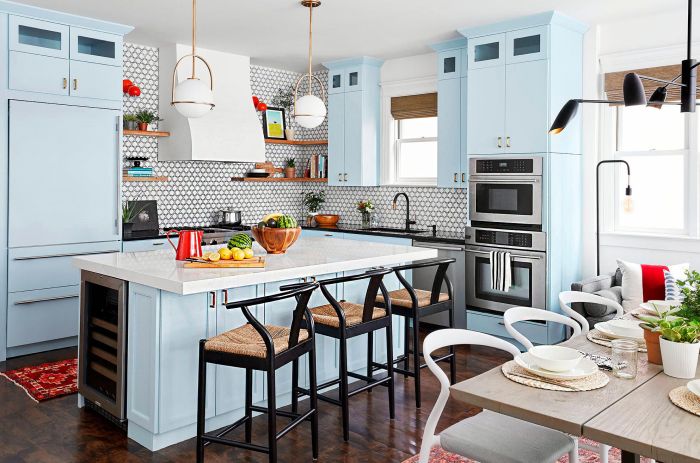
Planning a kitchen renovation can feel overwhelming, but a methodical approach ensures a smooth process. Careful consideration of design, budget, and legal requirements will contribute to a successful outcome, transforming your kitchen into the space you’ve always envisioned. This section will guide you through the key planning stages.
Kitchen Layout Designs for Different Spaces
Effective kitchen design maximizes space and workflow. The ideal layout depends significantly on the available square footage. Below are three example layouts, demonstrating how to accommodate different-sized kitchens:
| Layout | Dimension | Appliance Placement | Notes |
|---|---|---|---|
| Small Kitchen (Galley) | 8ft x 10ft | Sink and dishwasher on one side, refrigerator and stove on the other, facing each other. | Maximize vertical space with tall cabinets. Consider space-saving appliances. |
| Medium Kitchen (L-Shaped) | 12ft x 14ft | Sink and dishwasher in one corner, stovetop and oven in another, refrigerator along a straight wall. | Provides ample counter space and good workflow. Consider an island for extra prep area if space allows. |
| Large Kitchen (Island Kitchen) | 15ft x 18ft | Island with sink and cooktop, oven and refrigerator along a wall, ample counter space around the perimeter. | Offers flexibility in appliance placement and abundant workspace. Allows for a larger dining area or breakfast bar. |
Creating a Realistic Budget
Budgeting is crucial to avoid cost overruns. A comprehensive budget should include all anticipated expenses. This requires meticulous planning and research.A realistic budget incorporates material costs (cabinets, countertops, appliances, flooring, etc.), labor costs (demolition, installation, plumbing, electrical), and a contingency fund for unforeseen expenses (e.g., discovering hidden damage during demolition). For example, a medium-sized kitchen renovation might cost between $20,000 and $40,000, depending on material choices and labor rates in your area.
Always obtain multiple quotes from contractors to compare pricing and services. Remember to factor in approximately 10-20% for unexpected expenses. This buffer helps avoid project delays or compromises on quality due to insufficient funds.
Obtaining Necessary Permits and Approvals
Securing the required permits and approvals before starting any work is essential to avoid legal issues and potential fines. Contact your local building department to determine the specific permits needed for your renovation. These permits ensure your renovation adheres to building codes and safety regulations. Failure to obtain necessary permits can result in stop-work orders, fines, and difficulties selling your home in the future.
The permit application process typically involves submitting detailed plans of your proposed renovation, including electrical and plumbing schematics. The review process may take several weeks, so plan accordingly.
Choosing Materials and Appliances
Selecting the right materials and appliances is crucial for a successful kitchen renovation. These choices significantly impact the longevity, functionality, and aesthetic appeal of your updated space. Careful consideration of durability, cost, and style preferences will ensure a kitchen that meets your needs and budget.
Countertop Material Comparison
The countertop is a focal point in any kitchen. The following table compares three popular countertop materials: granite, quartz, and laminate.
| Material | Durability | Cost | Aesthetics |
|---|---|---|---|
| Granite | Highly durable; resistant to scratches and heat, but susceptible to staining if not properly sealed. | High; varies depending on type and availability. | Natural stone with unique veining and color variations; offers a luxurious look. |
| Quartz | Very durable; non-porous and resistant to stains, scratches, and heat. | Medium to high; generally more expensive than laminate but less than granite. | Engineered stone offering a wide range of colors and patterns; consistent appearance. |
| Laminate | Less durable than granite or quartz; susceptible to scratches, heat damage, and chipping. | Low; a budget-friendly option. | Wide variety of colors and patterns available; can mimic the look of natural stone but lacks the same depth and realism. |
Energy-Efficient Appliances
Investing in energy-efficient appliances reduces long-term energy costs and minimizes your environmental impact.
Consider these features when selecting appliances:
- Refrigerator: Look for models with an Energy Star rating, indicating high energy efficiency. Features like adjustable shelves and door bins can optimize space and reduce energy consumption.
- Dishwasher: Energy Star rated dishwashers use less water and energy. Consider models with features like soil sensors, which adjust the wash cycle based on the level of soiling.
- Oven: Convection ovens are generally more energy-efficient than traditional ovens because they circulate hot air more effectively, resulting in faster cooking times and reduced energy usage. Induction cooktops are also highly efficient, heating cookware directly rather than the surrounding air.
Kitchen Backsplash Design
The backsplash is an opportunity to add personality and functionality to your kitchen. Here are three design options:
Three backsplash material options, showcasing diverse visual impacts and practical considerations, are presented below:
- Option 1: Subway Tile (Ceramic): Classic white 3×6 inch subway tiles offer a clean, timeless look. The glossy finish reflects light, brightening the space. Their rectangular shape creates a simple, yet elegant pattern. Ceramic is durable, easy to clean, and relatively inexpensive.
- Option 2: Glass Mosaic Tile: A vibrant mix of colored glass mosaic tiles in shades of teal, turquoise, and seafoam green creates a beachy, calming atmosphere. The iridescent quality of the glass adds depth and dimension, reflecting light in an interesting way. Glass is also easy to clean and maintain, though it can be more prone to chipping than ceramic.
- Option 3: Natural Stone (Slate): Dark grey slate tiles with a rough, textured surface provide a rustic and sophisticated feel. The natural variations in color and veining add character and warmth. Slate is durable and heat-resistant, making it a practical choice for areas near the stovetop. However, its porous nature requires sealing to prevent staining.
Cabinetry and Storage Solutions
Careful consideration of cabinetry and storage is crucial for a functional and aesthetically pleasing kitchen. The right cabinetry can significantly impact both the look and the usability of your space, while strategic storage solutions can transform a cluttered kitchen into an organized haven. This section will explore various cabinet styles, storage maximization techniques, and the key differences between custom and pre-fabricated options.
Cabinet Styles for Different Kitchen Designs
Cabinet styles significantly influence the overall aesthetic of a kitchen. The choice depends largely on the desired design theme – traditional, modern, or farmhouse, for example. Each style offers unique features in terms of door styles, hardware, and materials.
Traditional Kitchens: Often feature raised-panel doors, creating a classic and elegant look. These doors have a recessed center panel framed by raised edges. Hardware is typically ornate, such as brass or brushed nickel knobs and pulls. Materials commonly include solid wood, such as cherry or oak, often with a stained finish to enhance the wood grain. Imagine rich, dark stained cherry cabinets with detailed, antiqued brass knobs, exuding warmth and timeless appeal.
Modern Kitchens: Embrace sleek, minimalist designs. Flat-panel doors, lacking any raised or recessed details, are a hallmark of modern style. Hardware is often simple and understated, perhaps sleek bar pulls in brushed stainless steel or minimalist knobs. Materials frequently include lacquered wood, high-gloss thermofoil, or even sleek metallic finishes. Picture clean lines, perhaps white high-gloss cabinets with integrated bar handles, contributing to a sophisticated and contemporary feel.
Farmhouse Kitchens: Combine rustic charm with practicality. Shaker-style doors, characterized by simple, flat-panel doors with a recessed frame, are popular. Hardware tends to be functional and slightly rustic, such as black or oil-rubbed bronze pulls. Materials often include painted wood, such as distressed white or soft grey, sometimes incorporating natural wood accents. Visualize creamy white cabinets with black cup pulls, providing a sense of casual elegance.
Maximizing Kitchen Storage Space
Efficient storage is paramount in any kitchen. Implementing various organizational techniques and accessories can dramatically increase storage capacity and improve workflow.
The following strategies can significantly improve kitchen storage:
- Pull-out shelves and drawers: These maximize accessibility to items stored in deep cabinets, eliminating the need to rummage in the back.
- Corner cabinets with lazy Susans or pull-out shelves: These make the often-unused corner space fully functional.
- Vertical storage solutions: Utilize wall-mounted racks, narrow cabinets, or stacked organizers to store spices, utensils, or small appliances.
- Drawer dividers and organizers: Keep drawers neat and prevent items from shifting around.
- Pantry pull-outs: Allow for easy access to canned goods and dry ingredients.
- Cabinet organizers: Utilize shelf risers and dividers to create more space on shelves.
Custom-Made vs. Pre-fabricated Cabinets
The decision between custom-made and pre-fabricated cabinets involves weighing several factors.
| Custom-Made | Pre-fabricated |
|---|---|
| Advantages: Precise fit, personalized design, high-quality materials, superior craftsmanship, long-term durability. | Advantages: Lower cost, readily available, quicker installation, various styles and finishes available. |
| Disadvantages: Higher cost, longer lead times, more complex installation process. | Disadvantages: May not perfectly fit the space, limited customization options, potentially lower quality materials. |
Lighting and Electrical Work
Proper lighting and a robust electrical system are crucial for a functional and aesthetically pleasing kitchen. These elements go beyond mere illumination and power; they contribute significantly to both the usability and the overall ambiance of your renovated space. Careful planning in these areas will ensure your kitchen is not only beautiful but also safe and efficient.
Kitchen Lighting Design
A well-designed kitchen lighting plan incorporates three key types of lighting: ambient, task, and accent. Ambient lighting provides overall illumination, setting the mood and illuminating the entire space. Task lighting focuses on specific work areas, such as the countertops and stovetop, providing bright, directed light for food preparation and cooking. Accent lighting highlights architectural features or decorative elements, adding visual interest and depth.
For ambient lighting, consider recessed lights throughout the ceiling for even distribution. These can use energy-efficient LED bulbs with a warm white color temperature (around 2700K) for a comfortable and inviting atmosphere. Pendant lights above the island or peninsula offer a stylish focal point and provide additional ambient light. These could be sleek, modern fixtures or more traditional styles, depending on your kitchen’s design.
For task lighting, under-cabinet lights are essential, offering focused illumination on countertops. LED strip lights are a popular choice due to their slim profile and energy efficiency. These can be placed directly under cabinets or integrated into the cabinet design itself. A well-lit stovetop is also crucial; pot lights or pendant lights directly above the range provide the necessary illumination.
Finally, accent lighting can be achieved using track lighting to highlight artwork or open shelving, or using small spotlights to emphasize unique features. These spotlights could use halogen bulbs for a brighter, more focused beam.
Electrical System Upgrades
Upgrading your kitchen’s electrical system is often necessary during a renovation to accommodate new appliances and lighting fixtures. This involves increasing the amperage of your electrical panel, adding dedicated circuits for energy-hungry appliances like ovens and dishwashers, and installing GFCI (Ground Fault Circuit Interrupter) outlets near water sources for safety. Adding extra outlets is also crucial, especially on kitchen islands and countertops, to prevent the need for extension cords.
A qualified electrician should assess your current electrical system and determine the necessary upgrades based on your new appliances and lighting plan. For example, a high-end induction cooktop might require a dedicated 50-amp circuit, while a standard dishwasher typically needs a 20-amp circuit. Planning for future needs is also advisable; consider adding extra circuits now to avoid costly future upgrades.
Kitchen Ventilation
Proper ventilation is critical for removing smoke, grease, and odors from the kitchen, preventing the buildup of moisture and improving air quality. A range hood is the primary ventilation component, and several types are available, each with its own features. Under-cabinet range hoods are space-saving and blend seamlessly into the cabinetry. Island range hoods are designed for islands and peninsulas, often featuring more powerful ventilation systems and visually striking designs.
Wall-mounted range hoods are a classic option, offering a variety of styles and sizes. When choosing a range hood, consider the CFM (cubic feet per minute) rating, which indicates its ventilation capacity. Higher CFM ratings are better for removing larger volumes of air and are particularly important for larger kitchens or those with powerful ranges. Features like adjustable fan speeds, multiple filters (for grease and charcoal), and built-in lighting enhance the functionality and convenience of a range hood.
For example, a 600 CFM range hood would be suitable for a large kitchen with a powerful gas range, while a 300 CFM hood might suffice for a smaller kitchen with an electric range.
Flooring and Finishes
Selecting the right flooring and finishes is crucial for creating a beautiful and functional kitchen. These choices impact not only the aesthetics but also the longevity and ease of maintenance of your renovated space. Consider factors such as durability, water resistance, and style when making your decisions. The right choices will ensure your kitchen remains stylish and practical for years to come.
Kitchen Flooring Options
Choosing the right kitchen flooring involves weighing durability, water resistance, and maintenance needs. The following table compares three popular options: tile, hardwood, and vinyl.
| Material | Durability | Water Resistance | Maintenance |
|---|---|---|---|
| Tile (Ceramic or Porcelain) | High; resistant to scratches and dents | Excellent; impervious to water | Relatively low; sweeping and occasional mopping |
| Hardwood | Moderate; susceptible to scratches and water damage | Low; prone to warping and damage from spills | Moderate; requires regular sweeping, occasional polishing, and potential refinishing |
| Vinyl (Luxury Vinyl Plank or Tile) | Moderate to High; more durable than traditional vinyl | Good; water-resistant, but not completely waterproof | Low; easy to clean with sweeping or mopping |
Paint Colors and Finishes for Kitchens
The color and finish of your kitchen’s paint significantly impact the overall atmosphere. Light, neutral colors like whites, creams, and light grays create a bright and airy feel, ideal for smaller kitchens. Darker colors, such as navy, charcoal, or deep greens, can add drama and sophistication to larger spaces. However, they can make a room feel smaller.For cabinets, a semi-gloss or satin finish is generally preferred for its durability and easy cleaning.
Walls can utilize a variety of finishes, from matte for a subtle look to eggshell or satin for easy cleaning. Consider the level of sheen you desire and how it will interact with natural light in your kitchen.
Installing a Kitchen Backsplash
Installing a backsplash adds both style and protection to your kitchen walls. Here’s a step-by-step guide:
Careful preparation is key to a successful backsplash installation. Ensure you have all necessary tools and materials before beginning.
- Preparation: Clean the wall thoroughly, removing any grease or debris. Measure the area to determine the amount of tile needed.
- Layout: Dry-lay the tiles on the wall to plan the layout and ensure proper spacing. Make adjustments as needed.
- Apply Adhesive: Using a notched trowel, apply thin-set mortar to the wall section where you’ll install the first row of tiles.
- Install Tiles: Press the tiles firmly onto the mortar, ensuring they are level and evenly spaced. Use spacers to maintain consistent gaps.
- Grouting: Once the adhesive has cured (usually 24 hours), apply grout to fill the spaces between the tiles. Use a rubber grout float to spread the grout evenly.
- Clean Up: Remove excess grout with a damp sponge. Allow the grout to cure completely before using the backsplash.
Renovating your kitchen is a significant investment, both financially and emotionally. By carefully considering each element—from design and budgeting to material selection and installation—you can achieve a stunning and functional space that reflects your personal style and enhances your home’s value. Remember, thorough planning and attention to detail are key to a successful outcome, resulting in a kitchen you’ll love for years to come.
This guide serves as your roadmap to navigate this exciting journey, transforming your kitchen into the heart of your home.
Answers to Common Questions
What is the average cost of a kitchen renovation?
Costs vary greatly depending on size, materials, and complexity, ranging from a few thousand to tens of thousands of dollars.
How long does a kitchen renovation typically take?
The duration depends on the project’s scope, typically ranging from a few weeks to several months.
Do I need a contractor for a kitchen renovation?
While some smaller projects can be DIY, larger renovations usually require a licensed and insured contractor for optimal results and safety.
How can I minimize disruption during the renovation?
Plan carefully, stage the work effectively, and consider temporary kitchen facilities to reduce disruption to your daily life.
What are some common mistakes to avoid during a kitchen renovation?
Poor planning, inadequate budgeting, and neglecting permits are common pitfalls to avoid.


