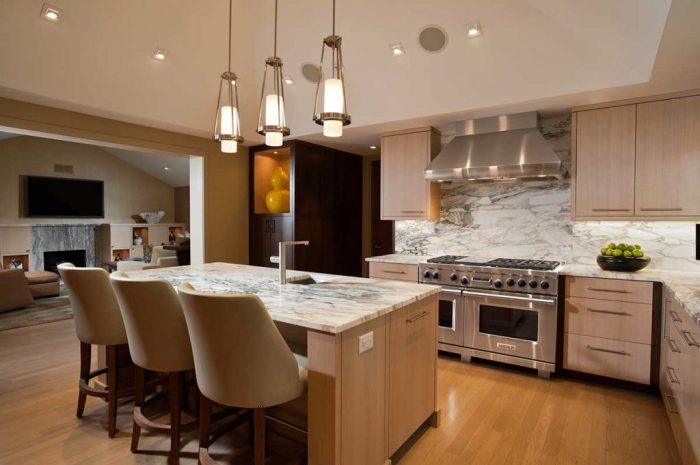
Transforming your kitchen’s ambiance and functionality begins with thoughtful lighting. This guide explores the myriad options available for a kitchen lighting renovation, from understanding your specific needs to selecting the perfect fixtures and bulbs. We’ll delve into different lighting styles, budget considerations, and installation methods, empowering you to create a space that’s both beautiful and practical.
Whether you’re aiming for a modern, minimalist aesthetic or a cozy, rustic charm, effective kitchen lighting is paramount. This involves careful planning and consideration of various factors such as ambient, task, and accent lighting, ensuring each area of your kitchen is adequately illuminated. We will guide you through the process, providing insights into choosing energy-efficient options, managing your budget, and ultimately achieving the kitchen of your dreams.
Budgeting and Material Selection for Kitchen Lighting
Renovating your kitchen lighting can significantly impact both the aesthetics and functionality of the space. However, the cost and material choices involved can vary widely, depending on several key factors. Careful planning and budgeting are essential to ensure a successful and satisfying project.
Factors Influencing Kitchen Lighting Renovation Costs
Several factors contribute to the overall cost of a kitchen lighting renovation. The size of the kitchen directly impacts the number of fixtures required, increasing the expense. The complexity of the electrical work needed, including wiring and potentially adding new circuits, significantly affects the labor costs. The chosen lighting fixtures themselves represent a major cost component, with prices ranging from budget-friendly options to high-end, designer pieces.
Finally, the cost of professional installation, if opted for, adds a considerable amount to the total budget. A larger kitchen requiring more extensive electrical work and premium fixtures will naturally be more expensive than a smaller kitchen with simpler lighting needs.
Affordable and Luxurious Lighting Options
Affordable kitchen lighting options include recessed LED lights, which offer excellent energy efficiency and are relatively inexpensive to purchase and install. Track lighting systems provide flexibility and are a cost-effective way to illuminate larger areas. Simple pendant lights, particularly those made from readily available materials like metal or glass, also represent an economical choice. In contrast, luxurious lighting options might involve bespoke handcrafted pendant lights made from high-quality materials like crystal or hand-blown glass.
Custom-designed lighting systems integrated into cabinetry or ceiling features can also add a touch of luxury but come at a premium cost. High-end LED fixtures with advanced features, such as dimmable options and color-changing capabilities, also fall into the higher-priced category.
Importance of Durable and Energy-Efficient Materials
Selecting durable and energy-efficient materials is crucial for long-term cost savings and environmental responsibility. Durable fixtures resist damage and require less frequent replacement, minimizing repair and replacement costs over the years. Energy-efficient bulbs, such as LEDs, significantly reduce electricity consumption, resulting in lower energy bills. Materials like high-quality metal, tempered glass, and robust plastics offer superior durability compared to cheaper alternatives that may break or become damaged easily.
Investing in energy-efficient lighting not only reduces operating costs but also contributes to a more sustainable lifestyle.
Budget Breakdown for Kitchen Lighting Renovation
A realistic budget breakdown for a kitchen lighting renovation should encompass several key areas. Fixture costs will vary depending on the number and type of fixtures selected. For a mid-range project, this could range from $500 to $2000. Installation fees are highly variable and depend on the complexity of the electrical work and the hourly rate of the electrician.
This could range from $300 to $1500 or more. Finally, bulb replacements should be factored into the budget, considering the lifespan of the chosen bulbs and their replacement cost. This might range from $50 to $150 over several years.
Example Budget: A moderate-sized kitchen renovation might require approximately 10 LED recessed lights ($50 each), two pendant lights ($150 each), and professional installation. A reasonable budget estimate would be: Fixtures: $700, Installation: $800, Bulbs (initial): $
100. Total
$1600.
Kitchen Renovation: Overall Lighting Considerations
Effective kitchen lighting significantly impacts the overall feel and functionality of the space. The right lighting scheme can transform a kitchen from a merely functional area into a warm, inviting hub of the home, or a sleek, modern culinary workspace. Careful consideration of lighting choices during a renovation is crucial for achieving the desired aesthetic and maximizing practical use.
Lighting’s Influence on Kitchen Mood and Atmosphere
Lighting dramatically affects the mood and atmosphere of a kitchen. Warm, soft lighting, such as that emitted by incandescent bulbs or warm-toned LEDs, creates a cozy and inviting ambiance, perfect for casual dining and family gatherings. Conversely, cooler, brighter lighting, often achieved with fluorescent or cool-toned LED fixtures, provides a more energetic and efficient workspace ideal for meal preparation.
The color temperature of the light source (measured in Kelvin) directly influences this perceived mood; lower Kelvin values (2700K-3000K) represent warmer tones, while higher values (5000K-6500K) represent cooler tones. Strategic layering of lighting – combining ambient, task, and accent lighting – allows for a versatile atmosphere adaptable to different activities and times of day.
Lighting Integration with Other Kitchen Renovation Elements
Successful kitchen renovation integrates lighting seamlessly with cabinetry, flooring, and appliances. Recessed lighting can be subtly incorporated into ceiling designs, complementing the overall architectural style. Under-cabinet lighting highlights countertops and workspaces, enhancing functionality and minimizing shadows. Pendant lights above kitchen islands can serve as both functional task lighting and stylish focal points, complementing the design of the island and surrounding cabinetry.
The choice of light fixture finishes (e.g., brushed nickel, polished chrome, matte black) should harmonize with other metallic finishes in the kitchen, such as faucet fixtures and appliance handles. For example, a rustic kitchen with wooden cabinetry might benefit from warm-toned pendant lights with a bronze or copper finish, while a modern kitchen with stainless steel appliances might pair well with sleek, minimalist fixtures in brushed nickel or chrome.
Lighting for Enhanced Functionality and Safety
Proper lighting significantly enhances both the functionality and safety of a kitchen. Task lighting, such as under-cabinet lights or adjustable spotlights, illuminates specific work areas, reducing eye strain and improving precision during food preparation. Adequate general lighting prevents accidents by ensuring clear visibility throughout the kitchen. Consider installing motion-sensor lights in hallways or pantries for added convenience and safety, especially at night.
Similarly, well-lit walkways and steps eliminate tripping hazards. For example, installing a dimmer switch allows for adjusting the brightness level depending on the task and time of day, maximizing both functionality and energy efficiency. A well-lit kitchen minimizes the risk of accidents caused by poor visibility, particularly when handling sharp knives or hot cookware.
Lighting Scheme for a Minimalist Kitchen
A minimalist kitchen design emphasizes clean lines, simplicity, and functionality. The lighting scheme should reflect this aesthetic. Recessed lighting provides even, ambient illumination without cluttering the space. Linear LED strips under cabinets offer functional task lighting while maintaining a sleek, unassuming profile. A single, minimalist pendant light above the kitchen island can serve as a subtle focal point.
The color temperature should be consistent throughout the space, opting for cool-toned LED lights (around 4000K) to create a clean, modern atmosphere. Avoid ornate or overly decorative fixtures; instead, focus on simple, geometric shapes and neutral colors. This approach creates a bright, airy, and efficient workspace that embodies the minimalist philosophy.
Illustrating Kitchen Lighting Designs
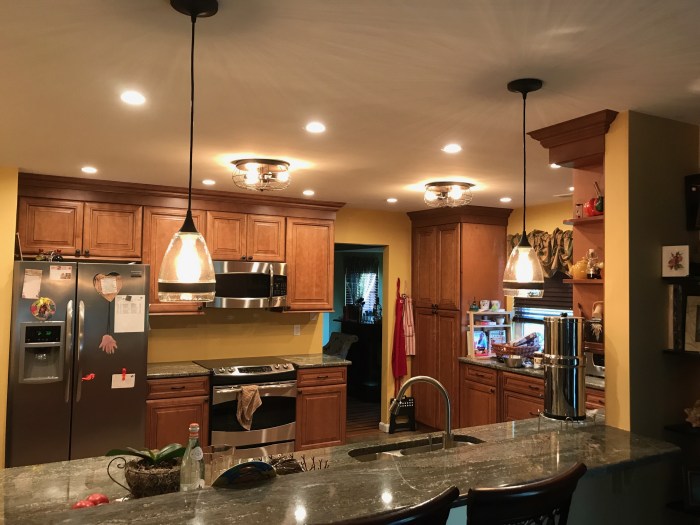
Effective kitchen lighting is crucial for both functionality and ambiance. The right lighting scheme can transform a kitchen from a purely utilitarian space into a warm and inviting heart of the home. Let’s explore several design approaches to illustrate the possibilities.
Warm and Inviting Kitchen Lighting
This design prioritizes a comfortable and welcoming atmosphere. Recessed lighting with warm-toned (2700K-3000K) LED bulbs provides general illumination, avoiding harsh shadows. Under-cabinet lighting, using LED strip lights with a similar warm color temperature, illuminates countertops for food preparation. A statement pendant light, perhaps a rustic chandelier or a group of smaller glass pendants, hangs above the kitchen island, creating a focal point and adding visual interest.
This layered approach combines ambient, task, and accent lighting to create a balanced and inviting space. Imagine warm, honey-colored wood cabinets reflecting the soft glow of the lighting, creating a cozy and inviting feel.
Dramatic Kitchen Lighting to Highlight Architectural Features
This style utilizes lighting to showcase the kitchen’s architecture. Track lighting, strategically placed to highlight exposed beams or vaulted ceilings, draws the eye upwards, creating a sense of spaciousness. Accent lighting, using adjustable spotlights, focuses on textured backsplashes or unique cabinet details. Consider using a dimmer switch to control the intensity of the lighting, allowing for flexibility in creating different moods.
A bold statement pendant light, perhaps a modern, geometric fixture, could add a dramatic focal point over the island. The contrast between light and shadow enhances the architectural details, making them stand out. Picture a sleek, modern kitchen with dark cabinets and a dramatic backsplash; the strategic lighting emphasizes the texture and depth of the materials.
Energy-Efficient Kitchen Lighting
This design emphasizes sustainability and cost savings. The primary light sources are high-efficiency LED bulbs in recessed fixtures, offering long lifespan and minimal energy consumption. Motion sensors control the lighting in less frequently used areas, such as pantries or utility spaces, further reducing energy waste. Under-cabinet lighting uses LED strip lights with integrated motion sensors, automatically illuminating the work area only when needed.
All fixtures are chosen for their energy star rating, ensuring maximum efficiency. This design demonstrates that energy efficiency doesn’t compromise style; a bright, well-lit kitchen can be achieved with minimal environmental impact. Imagine sleek, minimalist fixtures that blend seamlessly with the overall design, yet provide bright, efficient illumination.
Kitchen with a Mix of Ambient, Task, and Accent Lighting
This design integrates three lighting types for optimal functionality and ambiance. Recessed lighting provides general ambient illumination, creating a comfortable base level of light throughout the kitchen. Task lighting, including under-cabinet lights and pendants above the island, focuses light on specific work areas, improving visibility and reducing eye strain. Accent lighting, strategically placed spotlights or LED strip lights, highlights artwork, textured walls, or interesting cabinet features.
This layered approach ensures that the kitchen is well-lit for every activity, from preparing meals to enjoying a casual dinner. Picture a kitchen where the soft glow of ambient lighting complements the focused illumination of task lighting, while carefully placed accent lighting draws attention to specific details. The result is a balanced and functional space that is both visually appealing and highly practical.
DIY Kitchen Lighting Installation
Embarking on a DIY kitchen lighting installation can be a rewarding experience, saving you money and allowing for personalized customization. However, it’s crucial to prioritize safety and possess a basic understanding of electrical work. This section details the steps involved in installing common kitchen lighting types, emphasizing safety precautions throughout.
Recessed Lighting Installation
Installing recessed lighting involves cutting holes in the ceiling, running wiring, and securing the fixtures. Begin by turning off the power to the circuit at the breaker box. This is paramount to prevent electrical shock. Carefully measure and mark the locations for each light fixture, ensuring they’re evenly spaced and avoid obstructions like joists. Use a hole saw to cut precisely sized holes in the ceiling, ensuring a snug fit for the housing.
Next, carefully connect the wiring according to the fixture’s instructions, typically involving connecting the hot, neutral, and ground wires. Secure the housing in the ceiling and then install the light fixture itself. Finally, test the fixture to ensure it’s functioning correctly.
Under-Cabinet Lighting Installation
Under-cabinet lighting enhances workspace illumination and adds a stylish touch. Start by measuring the length of your cabinets and selecting the appropriate number and length of light strips or individual fixtures. Again, remember to switch off the power at the breaker box before beginning any wiring. Most under-cabinet lighting kits come with adhesive backing for easy installation; however, some may require screws.
Carefully peel the backing and adhere the lights to the underside of the cabinets. Connect the wiring according to the manufacturer’s instructions. Typically, this involves connecting the lights to a junction box, which is then connected to a power source, either directly or through a plug-in transformer. Test the lights to ensure proper functionality.
Electrical Wiring Safety Precautions
Working with electricity necessitates strict adherence to safety measures. Always switch off the power at the breaker box before beginning any electrical work. Never assume a circuit is off; use a non-contact voltage tester to verify. If unsure about any aspect of the electrical work, consult a qualified electrician. Wear appropriate safety gear, including insulated gloves and safety glasses.
Avoid working in wet or damp conditions. Ensure proper grounding of all fixtures and wiring to prevent electrical shock. Use appropriate wire connectors and ensure all connections are secure and properly insulated.
Selecting Electrical Boxes
Choosing the correct size and type of electrical box is critical for safety and code compliance. The box must be large enough to accommodate the wires and fixture, and it must be rated for the type of fixture being installed. For recessed lighting, a junction box designed for recessed fixtures is necessary. For under-cabinet lighting, a smaller junction box or even a surface-mount box may suffice, depending on the wiring configuration.
Always check local electrical codes to ensure compliance with building regulations. For example, a standard single-gang electrical box might be suitable for a small under-cabinet light, while a larger, multi-gang box might be needed for a more complex setup. Always verify the box’s specifications match the fixture’s requirements to ensure a safe and secure installation.
Professional Kitchen Lighting Installation
Hiring a qualified electrician for your kitchen lighting installation offers significant advantages over a DIY approach. Professional installation ensures safety, optimizes performance, and provides peace of mind, ultimately leading to a more efficient and aesthetically pleasing outcome. The added value often outweighs the increased cost.
Benefits of Professional Electrical Installation
Professional electricians possess the expertise and experience to handle electrical work safely and correctly. This minimizes the risk of electrical shocks, fires, and other hazards associated with improper wiring. They understand building codes and regulations, ensuring your installation complies with all necessary standards. Moreover, professionals can troubleshoot issues more efficiently, resulting in a quicker and more effective installation process.
They also have access to specialized tools and equipment, leading to a higher quality installation. For example, a professional might use a specialized wire stripper to ensure clean, consistent cuts, preventing short circuits. This contrasts with a DIY approach, where improper tool use could lead to damaged wires and compromised safety.
Finding a Qualified Electrician
Locating a reputable electrician involves several key steps. Start by seeking recommendations from friends, family, or neighbors who have recently undertaken similar projects. Online reviews and ratings on platforms like Yelp or Angie’s List can provide valuable insights into the quality of service offered by different electricians. Check for licensing and insurance; a licensed electrician is legally permitted to perform electrical work and carries liability insurance to cover potential damages.
Verify their experience by asking for references or reviewing their portfolio of past projects. A thorough background check is recommended to ensure you are hiring a trustworthy and skilled professional.
Cost Comparison: DIY vs. Professional Installation
The cost of DIY kitchen lighting installation can be significantly lower upfront, as you only need to purchase materials. However, this approach carries substantial risks, including potential damage to property, personal injury, and costly repairs if mistakes are made. For example, improperly wired lighting could lead to a house fire, incurring repair costs far exceeding the initial savings from DIY installation.
Professional installation, while more expensive initially, offers peace of mind and a guarantee of safe, compliant, and efficient work. The cost difference can vary significantly depending on the complexity of the installation, the number of fixtures, and the electrician’s hourly rate. A simple installation might cost a few hundred dollars more professionally, while a complex remodel could see thousands of dollars difference.
Consider the long-term cost implications before opting for a DIY approach.
Communicating with Your Electrician
Effective communication is vital for a successful installation. Clearly explain your vision for the kitchen lighting, providing detailed specifications, such as the type, number, and placement of fixtures. Share any existing blueprints or diagrams to aid in planning. Discuss your budget and timeline upfront to ensure transparency and avoid unexpected costs or delays. Ask questions about the process and materials being used; don’t hesitate to clarify anything you don’t understand.
Regular communication throughout the project will help maintain a smooth workflow and prevent misunderstandings. For instance, if you notice a discrepancy during the installation, promptly communicate it to the electrician to prevent potential errors.
Renovating your kitchen lighting offers a remarkable opportunity to enhance both the aesthetic appeal and functionality of your space. By carefully considering lighting styles, fixture choices, and energy efficiency, you can create a kitchen that is not only visually stunning but also practical and safe. Remember to factor in your budget, explore DIY options versus professional installation, and most importantly, envision the desired atmosphere you want to achieve.
The result will be a kitchen that is both inviting and highly functional.
FAQ
What is the average cost of a kitchen lighting renovation?
Costs vary greatly depending on the size of the kitchen, fixture choices, and whether you hire a professional. Expect to spend anywhere from a few hundred to several thousand dollars.
How long does a kitchen lighting renovation typically take?
The duration depends on the complexity of the project and whether you’re doing it yourself or hiring a professional. Simple installations might take a day, while more extensive renovations could take several days or even weeks.
Can I install kitchen lighting myself?
For simple installations like under-cabinet lighting, DIY is often feasible. However, for more complex projects involving electrical wiring, it’s strongly recommended to hire a qualified electrician to ensure safety.
What are the latest trends in kitchen lighting?
Current trends include integrated LED lighting, smart lighting systems, and a blend of warm and cool tones to create versatile ambiance. Pendant lighting and statement fixtures are also popular choices.


