
Dreaming of a stunning new kitchen but unsure about the costs involved? Transforming your culinary space can be an exciting yet daunting undertaking. This guide navigates the complexities of kitchen remodel costs, offering a practical roadmap to budgeting, planning, and executing your dream kitchen, regardless of your style preferences or budget constraints. We’ll explore the various factors that influence the final price tag, from material choices to professional fees, empowering you to make informed decisions throughout the process.
From understanding the nuances of different renovation styles and their associated expenses to mastering the art of budgeting and securing financing, this guide provides a comprehensive overview. We’ll delve into the importance of selecting qualified contractors, crafting detailed design plans, and incorporating smart technology to enhance both functionality and aesthetics. Ultimately, this resource aims to demystify the process, allowing you to confidently embark on your kitchen renovation journey.
Factors Influencing Kitchen Remodel Costs
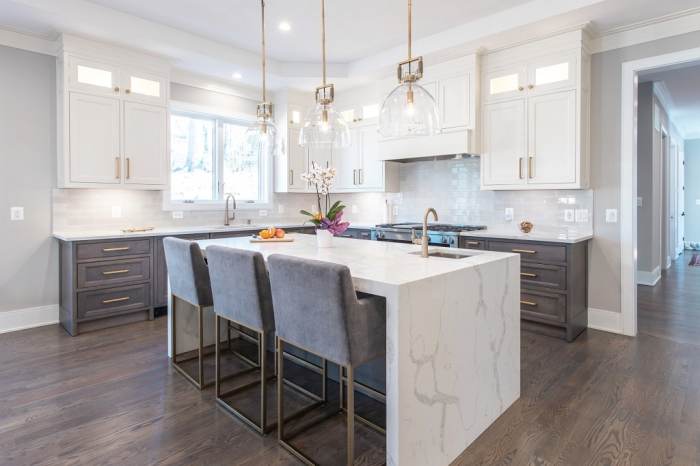
The cost of a kitchen remodel can vary dramatically depending on several interconnected factors. Understanding these factors allows for better budgeting and realistic expectations. This section will break down the key elements influencing the final price, categorized by cost level to provide a clearer picture.
Kitchen Remodel Cost Breakdown by Factor
The following table illustrates the cost variations across different budget levels for key aspects of a kitchen remodel. Prices are estimates and can fluctuate based on location, materials, and labor costs.
| Factor | Low-Cost Options | Mid-Range Options | High-End Options |
|---|---|---|---|
| Cabinets | Ready-to-assemble (RTA) cabinets; refacing existing cabinets | Semi-custom cabinets; stock cabinets with upgraded features | Custom-designed, handcrafted cabinets; high-end wood species |
| Countertops | Laminate; vinyl; butcher block | Engineered stone (like quartz); granite | Marble; high-end quartzite; natural stone with intricate veining |
| Flooring | Vinyl; linoleum | Luxury vinyl plank (LVP); ceramic tile | Natural stone (marble, slate); wide-plank hardwood |
| Backsplash | Painted drywall; inexpensive ceramic tile | Glass tile; ceramic tile with decorative accents | Natural stone (marble, slate); handcrafted tile; metallic accents |
| Appliances | Basic models from budget-friendly brands | Mid-range models with standard features | High-end appliances with smart features and advanced technology |
| Plumbing Fixtures | Standard faucets and sinks | Upgraded faucets with better finishes; undermount sinks | High-end designer faucets and sinks; unique materials (copper, etc.) |
| Labor | DIY or hiring a less experienced contractor | Hiring a reputable contractor with a reasonable hourly rate | Hiring a high-end contractor specializing in luxury kitchen remodels |
Cabinet Replacement vs. Refacing
Replacing cabinets entirely is significantly more expensive than refacing existing ones. Refacing involves replacing cabinet doors, drawer fronts, and hardware while keeping the existing cabinet boxes. This can save considerable money, especially if the existing cabinet structure is sound. However, refacing is limited to cabinets in good condition; significant damage necessitates full replacement. For instance, replacing cabinets in a standard-sized kitchen could cost between $10,000 and $30,000, whereas refacing might range from $3,000 to $8,000.
Impact of Material Choices
Material selection heavily influences the final budget. Countertops, for example, showcase a vast price range. Laminate countertops, a low-cost option, can cost as little as $10-$30 per square foot, while high-end marble can exceed $200 per square foot. Similarly, ceramic tile for a backsplash is generally more affordable than natural stone options like marble or slate. Flooring choices also impact costs, with vinyl being a budget-friendly choice compared to hardwood or natural stone.For example, a mid-range kitchen remodel might feature quartz countertops ($50-$100/sq ft), ceramic tile flooring ($3-$8/sq ft), and glass tile backsplash ($10-$20/sq ft).
A high-end remodel could incorporate marble countertops ($100-$300+/sq ft), wide-plank hardwood flooring ($10-$20+/sq ft), and a handcrafted tile backsplash ($30-$50+/sq ft). These variations significantly impact the overall project cost.
Common Kitchen Renovation Styles and Their Costs
Choosing a kitchen renovation style significantly impacts the overall project cost. Different styles utilize varying materials and levels of complexity, leading to a wide range of price points. Understanding these differences is crucial for effective budgeting and planning.
This section compares three popular kitchen renovation styles: modern, traditional, and farmhouse, highlighting their typical material choices, cost estimates, and design characteristics. We will also examine the cost discrepancies between complete kitchen overhauls and more focused, partial renovations.
Kitchen Renovation Styles: A Cost Comparison
| Style | Typical Materials | Estimated Cost Range (USD) | Design Characteristics |
|---|---|---|---|
| Modern | Sleek cabinetry (often flat-panel), stainless steel appliances, quartz or concrete countertops, minimalist hardware, glass or metal backsplashes. | $25,000 – $75,000+ (depending on size and materials) | Clean lines, minimalist aesthetic, neutral color palettes, integrated appliances, open shelving, and a focus on functionality. A modern kitchen often features a monochromatic color scheme and lacks ornamentation. |
| Traditional | Solid wood cabinetry with detailed molding, granite or marble countertops, brass or antique-style hardware, ceramic tile backsplashes, possibly a kitchen island with decorative legs. | $30,000 – $80,000+ (depending on size and materials) | Classic and elegant design, ornate details, rich color palettes, often incorporating traditional materials like wood and stone. Expect decorative elements such as crown molding, raised-panel cabinets, and possibly a more formal layout. |
| Farmhouse | Painted wood cabinetry (often distressed), butcher block or quartz countertops, apron-front farmhouse sink, open shelving, pendant lighting, and possibly exposed beams. | $20,000 – $60,000+ (depending on size and materials) | Rustic and charming aesthetic, often incorporating natural materials and a sense of warmth. Expect a mix of textures, colors, and materials. Farmhouse kitchens usually feel cozy and inviting, sometimes incorporating reclaimed wood. |
Complete vs. Partial Kitchen Renovations
A complete kitchen overhaul involves replacing all major components, including cabinets, countertops, appliances, flooring, and plumbing fixtures. This is the most expensive option, but offers the greatest transformation. A partial renovation, on the other hand, focuses on specific areas. For example, replacing only the countertops might cost significantly less than a full remodel.
A complete kitchen renovation in a mid-sized home could easily range from $30,000 to $70,000 or more, depending on location and choices. Replacing countertops alone, however, might cost between $3,000 and $10,000, while a cabinet refacing project could range from $5,000 to $15,000. These figures are estimates and can vary greatly.
Cost-Saving Measures for Kitchen Renovations
Several strategies can help reduce costs without compromising the aesthetic appeal. These include selecting cost-effective materials like engineered quartz instead of natural stone, opting for semi-custom cabinets over fully custom ones, reusing existing appliances in good condition, and tackling some tasks yourself (if you have the skills). Careful planning and prioritizing essential upgrades can also contribute significantly to cost savings.
For instance, focusing on high-impact changes like new cabinets and countertops while keeping existing appliances can create a significant visual improvement at a lower cost.
Hiring Professionals for a Kitchen Renovation
Choosing the right contractor is paramount to a successful and stress-free kitchen remodel. The process involves careful research, thorough vetting, and clear communication to ensure your vision aligns with the contractor’s capabilities and expertise. Selecting a reliable professional directly impacts the project’s timeline, budget, and overall quality.Finding and vetting qualified contractors requires a systematic approach. This includes understanding the importance of comparing multiple bids and carefully reviewing the contract details to protect your investment and ensure a smooth renovation process.
Finding Qualified Contractors
Identifying suitable candidates begins with leveraging various resources. Online platforms, such as Angi, HomeAdvisor, and Houzz, offer contractor profiles with reviews and ratings. Local referrals from friends, family, or neighbors can also be invaluable. Checking for licenses and insurance is crucial; verifying these credentials with the relevant authorities ensures the contractor operates legally and responsibly, offering liability protection in case of accidents or damages.
It’s also beneficial to browse online portfolios to assess the contractor’s previous work and style, ensuring it aligns with your desired aesthetic. Finally, conducting thorough background checks and confirming references from past clients provides additional assurance of their professionalism and reliability.
Obtaining and Comparing Multiple Bids
Once you’ve compiled a shortlist of potential contractors, it’s essential to obtain detailed bids from each. Requesting multiple bids fosters healthy competition and ensures you receive the most competitive pricing and services. These bids should be comprehensive, outlining all aspects of the project, including materials, labor, and timelines. Comparing quotes requires careful attention to detail; look beyond the total cost to understand the breakdown of expenses and ensure all elements are included.
For example, one bid might appear cheaper upfront, but a closer look might reveal it lacks certain crucial elements, leading to unexpected costs later. A thorough comparison helps you make an informed decision based on value, not just price.
Key Elements of a Comprehensive Contract
A well-drafted contract safeguards both the homeowner and the contractor. It clarifies expectations, responsibilities, and payment schedules, minimizing potential disputes.
- Detailed Project Scope: The contract should include a precise description of the work, including materials, finishes, and appliances. Specifications should be unambiguous, avoiding vague terms. For example, instead of “modern cabinets,” specify the type of wood, finish, and hardware.
- Payment Schedule: A clearly defined payment schedule, with milestones linked to specific stages of completion, protects both parties. Avoid paying the full amount upfront; payments should be staggered to reflect progress.
- Timeline and Completion Date: The contract must include a realistic project timeline, specifying start and completion dates. Include clauses addressing potential delays and their impact on the schedule.
- Warranty and Guarantees: The contract should include warranties on materials and workmanship. Clarify the duration and scope of these guarantees, ensuring protection against defects or faulty installations.
- Dispute Resolution Clause: A clear mechanism for resolving disputes, such as arbitration or mediation, should be included to avoid costly and time-consuming legal battles.
- Change Order Process: A process for managing changes to the original scope of work, including how these changes will be priced and approved, should be explicitly stated. This prevents misunderstandings and cost overruns.
- Permits and Inspections: The contract should specify who is responsible for obtaining necessary permits and scheduling inspections. This ensures compliance with building codes and regulations.
Kitchen Renovation
A well-designed kitchen is more than just aesthetically pleasing; it’s the heart of the home, a space for culinary creativity, family gatherings, and daily routines. Effective kitchen design prioritizes functionality and workflow, directly impacting the overall efficiency and enjoyment of the space. Understanding the interplay between design and functionality is crucial for a successful and cost-effective kitchen renovation.
Kitchen Design and Workflow Efficiency
The arrangement of appliances, cabinetry, and workspaces significantly influences the efficiency of kitchen tasks. A poorly designed kitchen can lead to wasted time and effort, while a well-planned layout optimizes movement and minimizes unnecessary steps. Effective layouts often incorporate the “work triangle,” a concept that positions the sink, stove, and refrigerator in a triangular arrangement to minimize travel distance between these key areas.
Examples of effective layouts include the galley kitchen, ideal for smaller spaces, and the L-shaped kitchen, which offers ample counter space and storage. Conversely, a poorly planned U-shaped kitchen, without careful consideration of workflow, can become cramped and inefficient. The cost implications are significant: a well-designed layout can reduce the need for extensive custom cabinetry or expensive space-saving solutions.
Conversely, rectifying a poorly planned layout during or after construction can be far more costly.
Smart Appliances and Technology Integration
Incorporating smart appliances and technology can significantly enhance both the design and functionality of a modern kitchen. Smart refrigerators with integrated screens can manage grocery lists, display recipes, and even order groceries online. Smart ovens offer precise temperature control and remote monitoring, while smart dishwashers can optimize cleaning cycles and water usage. The cost of integrating these technologies varies widely, ranging from relatively inexpensive smart plugs to significantly more expensive appliances with advanced features.
For example, replacing a standard oven with a smart oven might add a few hundred dollars to the overall renovation budget, while integrating a comprehensive smart home system could add thousands. However, the added convenience and efficiency often justify the investment. The integration process itself also needs to be considered – some smart appliances require specialized wiring or network infrastructure, potentially increasing the labor costs.
Detailed Design Plans and Specifications
Creating detailed design plans and specifications is a critical step in any kitchen renovation. This process typically involves working closely with a kitchen designer or architect to develop detailed drawings and specifications that Artikel the layout, materials, appliances, and finishes. These plans should include precise measurements, material selections, appliance specifications, and detailed cabinetry layouts. The level of detail in these plans directly impacts the accuracy of cost estimations and the overall success of the project.
Detailed plans minimize the risk of costly errors or changes during construction. For instance, failing to specify the exact dimensions of a countertop can lead to delays and additional costs if the wrong size is ordered. Similarly, neglecting to specify the type and finish of cabinet hardware can result in delays and potential cost overruns if the wrong hardware is purchased.
The cost of creating detailed design plans can vary depending on the complexity of the project and the designer’s fees. However, the investment in thorough planning can significantly reduce the risk of costly errors and delays during construction.
Renovating your kitchen is a significant investment, but with careful planning and informed decision-making, you can achieve the kitchen of your dreams without breaking the bank. By understanding the factors influencing costs, developing a realistic budget, and selecting qualified professionals, you can transform your kitchen into a beautiful and functional space that enhances your home’s value and your daily life.
Remember, a well-planned approach ensures a smooth renovation process, resulting in a kitchen you’ll love for years to come.
Question Bank
What is the average cost of a kitchen remodel?
The average cost varies widely depending on location, size, and the extent of the renovation. Expect a range from a few thousand dollars for minor updates to tens of thousands for a complete overhaul.
How long does a kitchen remodel typically take?
The timeline depends on the project’s scope and complexity. Small projects might take a few weeks, while major renovations could extend for several months.
Can I finance a kitchen remodel?
Yes, several financing options exist, including home equity loans, personal loans, and renovation loans. Shop around to compare interest rates and terms.
How do I find a reputable contractor?
Get referrals, check online reviews, verify licenses and insurance, and obtain multiple bids before making a decision.


