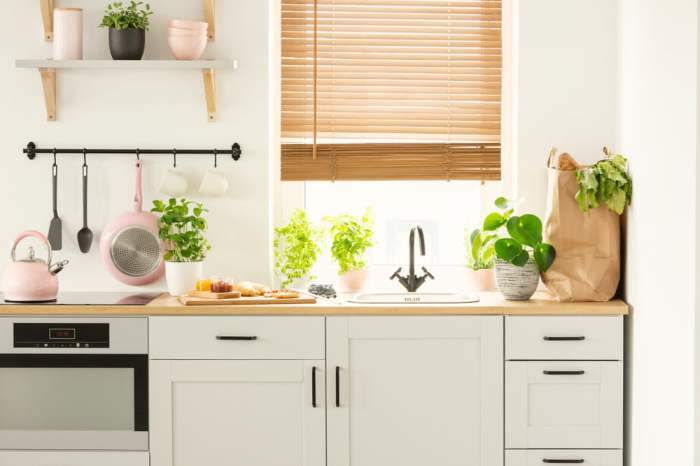
Transforming your kitchen into an eco-conscious haven is more achievable than you might think. This guide delves into the practical aspects of eco-friendly kitchen renovation, exploring sustainable materials, energy-efficient appliances, and water-saving practices. We’ll navigate the complexities of material selection, waste reduction strategies, and the long-term environmental benefits of making conscious choices during your renovation.
From choosing sustainable countertops and cabinets to installing energy-efficient appliances and implementing water-saving fixtures, we provide a comprehensive roadmap to a greener kitchen. We’ll also discuss the importance of proper planning, budgeting, and selecting a reputable contractor who shares your commitment to sustainability.
Defining “Eco-Friendly” in Kitchen Renovation
An eco-friendly kitchen renovation prioritizes minimizing the environmental impact throughout the entire process, from material sourcing to waste disposal. This contrasts sharply with conventional renovations, often characterized by a focus solely on aesthetics and immediate cost, overlooking the broader environmental consequences. A truly sustainable approach considers the lifecycle of materials, energy efficiency of appliances, and responsible waste management.Eco-friendly kitchen renovations involve a holistic approach encompassing material selection, energy efficiency, and waste reduction strategies.
Traditional renovations, on the other hand, often prioritize cost and aesthetics over environmental considerations, leading to significant environmental consequences.
Environmental Impact of Traditional Kitchen Renovations
Traditional kitchen renovations contribute significantly to environmental problems. The extraction and processing of materials like wood, stone, and metals are energy-intensive and often involve deforestation, mining, and pollution. The manufacturing of new cabinets, countertops, and appliances generates considerable waste and greenhouse gas emissions. Furthermore, the disposal of old materials often ends up in landfills, contributing to land degradation and methane emissions.
For instance, the demolition and disposal of old cabinets alone can generate substantial waste, impacting landfill capacity and potentially releasing harmful chemicals into the environment. The transportation of materials over long distances also contributes to carbon emissions.
Material Selection in Eco-Friendly Renovations
Choosing eco-friendly materials is paramount. This includes selecting sustainably harvested wood certified by organizations like the Forest Stewardship Council (FSC), using recycled or reclaimed materials for cabinets and countertops, opting for low-VOC (volatile organic compound) paints and finishes to reduce indoor air pollution, and employing energy-efficient appliances. For example, bamboo countertops are a sustainable alternative to traditional wood or stone, requiring less water and pesticides to grow.
Recycled glass countertops offer a durable and aesthetically pleasing option, diverting waste from landfills.
Energy Efficiency in Eco-Friendly Renovations
Energy efficiency is another key aspect. This involves installing energy-star rated appliances, such as refrigerators, ovens, and dishwashers, which consume significantly less energy than their conventional counterparts. Efficient lighting, such as LED lighting, drastically reduces energy consumption compared to incandescent bulbs. Proper insulation can minimize energy loss, reducing heating and cooling costs while lowering the environmental impact.
Consider the potential energy savings – a high-efficiency refrigerator, for instance, can save hundreds of kilowatt-hours annually compared to an older model, reducing your carbon footprint significantly.
Waste Reduction Strategies in Eco-Friendly Renovations
Minimizing waste is crucial. This includes donating or repurposing usable materials instead of discarding them, opting for materials with minimal packaging, and using a responsible contractor who implements efficient waste management practices, such as recycling and proper disposal of hazardous materials. For example, reclaiming existing cabinets and refinishing them instead of replacing them entirely significantly reduces waste. Careful planning and precise measurements can minimize material waste during the renovation process itself.
Long-Term Benefits of Eco-Friendly Choices
The long-term benefits of an eco-friendly kitchen renovation extend beyond environmental protection. Choosing durable, sustainable materials reduces the need for future replacements, saving money in the long run. Energy-efficient appliances and improved insulation lower utility bills, leading to significant cost savings over the lifespan of the kitchen. Furthermore, creating a healthier indoor environment with low-VOC materials contributes to improved health and well-being.
The overall reduced environmental impact contributes to a smaller carbon footprint, aligning with sustainable living principles. For example, a family renovating their kitchen with energy-efficient appliances and better insulation could save several hundred dollars annually on their energy bills, offsetting the initial investment over time.
Sustainable Materials for Eco-Friendly Kitchen Renovation
Choosing sustainable materials is paramount in creating an eco-friendly kitchen. By selecting materials with lower environmental impact throughout their lifecycle – from sourcing raw materials to manufacturing, use, and disposal – we can significantly reduce the carbon footprint of our renovations. This section will explore various sustainable options for key kitchen components.
Countertop Material Comparison
The choice of countertop material significantly impacts a kitchen’s environmental footprint. Consider the following comparison, keeping in mind that environmental impact varies based on sourcing and manufacturing processes:
| Material | Environmental Impact (Low to High) | Durability | Maintenance |
|---|---|---|---|
| Recycled Glass | Low | High | Low |
| Bamboo | Low to Medium | Medium | Medium |
| Quartz (Engineered Stone) | Medium | High | Low |
| Granite | Medium to High | High | Low |
Note: “Low” indicates minimal environmental impact, considering factors such as energy consumption during manufacturing, transportation distances, and recyclability. “High” signifies a greater environmental impact across these factors. Durability and maintenance reflect the material’s lifespan and upkeep requirements.
Eco-Friendly Cabinet Materials
Sustainable cabinet choices minimize deforestation and prioritize responsible manufacturing. Five eco-friendly options include:
Several materials offer environmentally responsible alternatives to traditional wood cabinets. Consider factors like sourcing, manufacturing processes, and recyclability when making your selection.
- Bamboo: A rapidly renewable resource, bamboo requires minimal processing and produces strong, durable cabinets. Its cultivation often involves sustainable farming practices.
- Reclaimed Wood: Using salvaged wood reduces the demand for newly harvested timber. Reclaimed wood often boasts unique character and contributes to a more sustainable aesthetic.
- Recycled Paper Composite: Made from recycled paper and resin, these cabinets offer a durable, low-impact alternative. They typically have a lower carbon footprint compared to solid wood.
- MDF (Medium-Density Fiberboard) from Sustainable Sources: While MDF itself isn’t inherently sustainable, choosing boards certified by organizations like the Forest Stewardship Council (FSC) ensures responsible forestry practices were used in sourcing the wood fibers.
- Metal (Steel or Aluminum): These materials are durable, recyclable, and offer a modern aesthetic. The manufacturing process can have a higher energy footprint than some other options, but their longevity and recyclability mitigate this somewhat.
Sustainable Flooring Options
Kitchen flooring needs to withstand heavy traffic and spills. Several eco-friendly options offer both durability and environmental responsibility:
Sustainable flooring choices for kitchens balance durability with environmental consciousness. Consider the material’s lifecycle impact, recyclability, and maintenance requirements.
- Cork: A rapidly renewable resource, cork flooring is naturally antibacterial, comfortable underfoot, and surprisingly durable. Its harvesting process is minimally invasive.
- Bamboo: Similar to its use in cabinets, bamboo flooring offers strength, durability, and a relatively low environmental impact. It’s readily available and relatively inexpensive.
- Recycled Rubber: Made from recycled tires, this flooring option is highly durable, shock-absorbent, and offers good water resistance. It diverts waste from landfills.
- Linoleum: A long-lasting, naturally renewable option made from linseed oil, wood flour, and other natural materials. It is relatively low-impact and offers good durability.
Reclaimed and Recycled Materials: Advantages and Disadvantages
Using reclaimed or recycled materials in kitchen renovations offers several benefits but also presents some challenges.
Incorporating reclaimed or recycled materials presents a unique opportunity to reduce waste and create a truly sustainable kitchen. However, careful consideration of potential drawbacks is essential for a successful renovation.
- Advantages: Reduced landfill waste, unique character and aesthetic appeal, lower embodied energy compared to new materials, and often lower cost.
- Disadvantages: Potential for imperfections or inconsistencies, sourcing can be challenging, availability may be limited, and some materials may require more specialized installation techniques.
Energy Efficiency in Eco-Friendly Kitchen Design
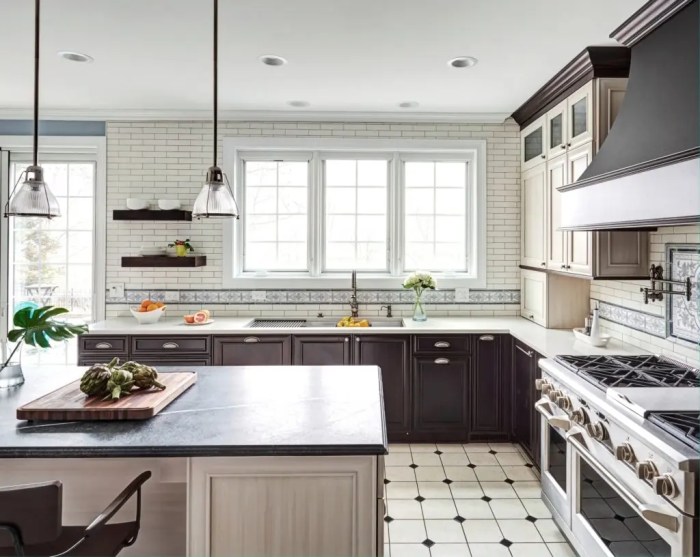
An eco-friendly kitchen renovation prioritizes minimizing environmental impact, and a significant aspect of this is energy efficiency. By carefully selecting appliances, improving insulation, and optimizing ventilation, you can drastically reduce your kitchen’s energy consumption and your carbon footprint. This section explores key strategies for achieving energy efficiency in your eco-conscious kitchen redesign.
Energy-Efficient Appliances
Choosing energy-efficient appliances is paramount for a sustainable kitchen. These appliances are designed to consume less electricity and water, contributing to both cost savings and environmental benefits. Consider the Energy Star rating when making your selections; this rating indicates that the appliance meets specific energy-efficiency guidelines.
- Refrigerator: Opt for a refrigerator with an Energy Star rating and features like efficient compressors and improved insulation. Look for models with adjustable shelves and door bins to maximize storage and minimize wasted space, further improving energy efficiency.
- Dishwasher: Energy Star-rated dishwashers use less water and energy per cycle compared to older models. Consider features like sensor technology, which adjusts the wash cycle based on the level of soiling.
- Oven: Induction cooktops are significantly more energy-efficient than traditional electric or gas ranges, heating the cookware directly instead of the surrounding air. If choosing a conventional oven, look for models with convection features that utilize circulating air for faster and more even cooking, reducing energy consumption.
- Microwave: While microwaves generally consume less energy than ovens, choose models with high energy efficiency ratings. Look for features like sensor cooking, which automatically adjusts cooking time and power based on the food’s moisture content.
Proper Kitchen Ventilation and Energy Savings
Effective kitchen ventilation plays a crucial role in energy efficiency. A well-functioning ventilation system removes excess heat and moisture generated during cooking, preventing them from accumulating and forcing your air conditioning system to work harder. This reduces energy consumption associated with cooling and dehumidifying the kitchen. Regular cleaning and maintenance of your ventilation system are essential to maintain its efficiency.
Consider installing a range hood with a powerful motor and efficient fan to ensure adequate air extraction. Exhaust fans that vent directly to the outside are far more energy-efficient than those that simply recirculate air.
Improving Kitchen Insulation to Reduce Energy Consumption
Proper insulation minimizes heat loss during colder months and heat gain during warmer months. This reduces the burden on your heating and cooling systems, leading to significant energy savings. In a kitchen renovation, consider upgrading insulation in walls, ceilings, and floors. Insulation materials such as cellulose, fiberglass, or mineral wool are effective options. Pay particular attention to areas around windows and doors, sealing any gaps or cracks to prevent drafts.
Double- or triple-paned windows significantly improve insulation compared to single-paned windows. Properly insulated cabinets can also contribute to better temperature regulation.
Smart Home Technology for Enhanced Energy Efficiency
Smart home technology offers various opportunities to enhance energy efficiency in your renovated kitchen. Smart refrigerators can track food inventory, preventing waste and unnecessary trips to the grocery store. Smart thermostats learn your usage patterns and automatically adjust temperatures to optimize energy consumption. Smart lighting systems can be programmed to automatically turn off lights when the kitchen is unoccupied, or to utilize energy-efficient LED bulbs.
These integrated systems can provide real-time energy usage data, allowing you to monitor your consumption and identify areas for improvement. For example, a smart system could automatically turn off the oven when a pre-set cooking time has elapsed, preventing wasted energy.
Water Conservation in Eco-Friendly Kitchen Renovation
Water conservation is a crucial aspect of creating an environmentally responsible kitchen. Reducing water usage not only benefits the planet by preserving this precious resource but also contributes to lower utility bills, making your eco-friendly renovation both sustainable and economical. This section will explore several key areas where water-saving measures can be implemented during a kitchen remodel.
Low-Flow Faucets and Their Water-Saving Benefits
Low-flow faucets are designed to significantly reduce water consumption without compromising water pressure. They achieve this through aerators, which mix air with water to create a full, forceful stream while using less water overall. A typical low-flow faucet uses 1.5 gallons per minute (GPM) or less, compared to older models that often used 2.2 GPM or more. This seemingly small difference can lead to substantial savings over time.
For example, a family washing dishes for 10 minutes daily will save approximately 140 gallons of water per month by switching to low-flow faucets (assuming a 0.7 GPM reduction). Furthermore, many low-flow faucets are equipped with features like pull-down sprayers and temperature controls, adding convenience to their water-saving capabilities.
Advantages of Installing a Water-Efficient Dishwasher
Modern, water-efficient dishwashers are engineered to use significantly less water than older models. Look for Energy Star certified dishwashers, which meet strict guidelines for water and energy efficiency. These dishwashers typically use only around 3 gallons of water per cycle, compared to older models that might use upwards of 6 gallons or more. Beyond water savings, efficient dishwashers often offer features like soil sensors that adjust the wash cycle based on the level of soiling, further optimizing water usage.
This translates to considerable savings on both water and energy costs over the lifespan of the appliance. For instance, a household running a dishwasher three times a week could save hundreds of gallons of water annually by upgrading to a water-efficient model.
Impact of Choosing a Water-Efficient Garbage Disposal
While often overlooked, garbage disposals can contribute significantly to water consumption. Newer models often incorporate features that minimize water usage during operation. Look for disposals with low-flow settings or those designed to operate efficiently with less water per cycle. While the exact water savings vary depending on the model and usage, choosing a water-efficient disposal can contribute to overall water conservation efforts in the kitchen.
For example, a household using their disposal frequently might see noticeable savings on their water bill by switching to a more efficient model.
Water-Saving Practices During Kitchen Renovation
Implementing several water-saving practices during the renovation itself can further enhance your kitchen’s eco-friendliness.
- Reuse existing fixtures where possible: If your existing faucets or other plumbing fixtures are still in good working condition, consider repurposing them to reduce waste and save money.
- Install low-flow showerheads in adjacent areas: While not directly in the kitchen, reducing water usage in nearby bathrooms contributes to overall water conservation efforts in your home.
- Use reclaimed or recycled water for cleanup: Collect rainwater (where appropriate) or greywater from showers and sinks for non-potable uses like cleaning or watering plants, thereby reducing the demand on fresh water.
- Properly seal all plumbing connections: Preventing leaks is crucial. Ensure all plumbing connections are sealed tightly to avoid unnecessary water loss.
Waste Reduction and Recycling During Renovation
Minimizing waste during a kitchen renovation is crucial for its eco-friendly credentials. A well-planned approach significantly reduces the environmental impact, saving resources and lowering landfill contributions. This involves careful material selection, efficient construction practices, and diligent recycling efforts throughout the project.Effective waste management begins with meticulous planning. By carefully assessing existing materials and their potential reuse or repurposing, the need for new materials is reduced, thus minimizing waste from the outset.
Planning for Waste Minimization
A comprehensive waste management plan should be developed before demolition begins. This plan should detail how materials will be sorted, stored, and transported for recycling or disposal. It should include designated areas for different waste streams (e.g., wood, metal, plastic, drywall) to prevent contamination. For example, a large, clearly labeled dumpster might be used for construction debris, while smaller containers could be used for recyclable materials like cardboard and metal.
Accurate estimations of waste generation can help determine the appropriate size of containers and the frequency of waste removal. This proactive approach reduces unnecessary transportation and associated emissions.
Recycling and Responsible Disposal Methods
Many construction materials are recyclable. Wood can often be chipped and used as mulch or in composite materials. Metal scraps can be recycled into new products. Certain plastics and glass can also be recycled, depending on local regulations. However, some materials, such as certain types of adhesives and sealants, may require special disposal procedures.
Contractors should be familiar with local regulations and disposal options for hazardous materials. For instance, lead-based paint requires specialized handling and disposal to prevent environmental contamination. Proper disposal is not just environmentally responsible but also legally required in many jurisdictions.
Reducing Packaging Waste
Packaging often accounts for a significant portion of construction waste. To mitigate this, specify to suppliers that you prefer minimal packaging or that packaging be made from recycled materials. Reuse any packaging materials where possible. For instance, sturdy cardboard boxes can be used for storing materials during the renovation. This reduces the amount of new packaging materials required, thereby decreasing waste and associated manufacturing emissions.
Sourcing and Utilizing Recycled Materials
Incorporating recycled materials directly into the renovation is a significant step towards sustainability. Recycled countertops made from post-consumer materials are a readily available option. Reclaimed wood can be used for cabinetry or shelving, providing a unique aesthetic and reducing the demand for newly harvested timber. Recycled metal can be used for fixtures or accents. Many suppliers now offer materials with high recycled content, allowing for environmentally conscious choices throughout the renovation.
For example, using recycled glass tiles in the backsplash can significantly reduce the project’s environmental footprint. The use of these materials not only reduces waste but also often reduces the embodied energy associated with manufacturing new materials.
Kitchen Renovation
A complete kitchen renovation is a significant undertaking, transforming not only the aesthetic appeal of your home but also its functionality and value. Understanding the process, from initial planning to final touches, is crucial for a successful and stress-free experience. This section explores broader considerations beyond the eco-friendly aspects already discussed, focusing on project stages, layout choices, planning, and contractor selection.
Typical Stages of a Kitchen Renovation Project
A typical kitchen renovation follows a series of distinct stages. These stages, while sometimes overlapping, ensure a methodical approach to the project. Variations exist depending on the project’s scope and complexity.
- Planning and Design: This initial phase involves defining the project scope, budget, and desired aesthetic. It includes measuring the space, creating design plans, and selecting materials and fixtures.
- Demolition: Once the design is finalized, the existing kitchen is carefully deconstructed. This involves removing cabinets, countertops, appliances, flooring, and backsplashes.
- Plumbing and Electrical Work: This crucial stage involves rerouting plumbing and electrical lines to accommodate the new layout and appliances. This often requires professional expertise and permits.
- Cabinet Installation: New cabinets are installed, forming the backbone of the new kitchen. This may involve custom-built cabinets or prefabricated units.
- Countertop Installation: Countertops are installed, typically after the cabinets are in place. This could be granite, quartz, butcher block, or other materials.
- Appliance Installation: New appliances are installed and connected to plumbing and electrical systems. This step often requires specialized knowledge.
- Backsplash Installation: The backsplash is installed, protecting the wall behind the countertops and adding a decorative element.
- Flooring Installation: New flooring is installed, often after the cabinets and countertops are in place. This could be tile, hardwood, or vinyl.
- Finishing Touches: This final stage includes painting, installing lighting fixtures, and adding any final decorative elements.
- Final Inspection: A final inspection is conducted to ensure everything meets building codes and the client’s satisfaction.
Kitchen Layouts and Their Impact
The layout of a kitchen significantly impacts its functionality and space utilization. Different layouts cater to various needs and preferences.
- Galley Kitchen: This layout features two parallel countertops with appliances and cabinets in between. It’s efficient for smaller spaces but can feel cramped.
- L-Shaped Kitchen: This layout utilizes two adjacent walls, creating an L-shape. It offers good workspace and storage but can be less efficient for traffic flow.
- U-Shaped Kitchen: This layout uses three adjacent walls, providing ample counter space and storage. It’s ideal for larger kitchens but can limit traffic flow.
- Island Kitchen: This layout incorporates a central island, offering additional counter space, seating, and storage. It’s ideal for larger kitchens and promotes social interaction.
- Peninsula Kitchen: Similar to an island, but attached to one wall, offering extra counter space and a partial barrier between the kitchen and other areas.
Importance of Planning and Budgeting
Thorough planning and a realistic budget are paramount for a successful kitchen renovation. Failing to plan adequately can lead to cost overruns, delays, and dissatisfaction. A detailed budget should account for all aspects of the project, including materials, labor, permits, and unforeseen expenses. Contingency funds are essential to accommodate unexpected issues. For example, discovering hidden plumbing problems during demolition could significantly impact the budget if not accounted for.
Selecting a Reputable Contractor
Choosing a reliable contractor is crucial for a smooth renovation process. A thorough selection process minimizes risks and ensures quality workmanship.
- Gather References and Reviews: Check online reviews and request references from potential contractors. Verify their licensing and insurance.
- Interview Multiple Contractors: Meet with several contractors to discuss your project, compare their bids, and assess their communication style and professionalism.
- Review Contracts Carefully: Thoroughly review the contract before signing, ensuring it clearly Artikels the scope of work, payment schedule, and timelines.
- Verify Insurance and Licensing: Confirm that the contractor has the necessary licenses and insurance to protect you from liability in case of accidents or damages.
- Check for References: Contact previous clients to inquire about their experiences with the contractor, focusing on communication, timelines, and overall satisfaction.
Illustrative Examples of Eco-Friendly Kitchen Designs
This section showcases three distinct kitchen designs, each highlighting different sustainable materials and practices to inspire your own eco-conscious renovation. These examples demonstrate how to create beautiful, functional kitchens while minimizing environmental impact.
Bamboo Countertops, Reclaimed Wood Cabinets, and Energy-Efficient Appliances
This design prioritizes durable, renewable resources and energy conservation. The countertops are crafted from sustainably harvested bamboo, known for its hardness, water resistance, and rapid regrowth rate, making it a significantly more environmentally friendly option than traditional stone. The rich, warm tones of the bamboo complement the reclaimed wood cabinets, sourced from salvaged or responsibly managed forests. Reclaimed wood reduces deforestation and offers unique character, reducing the demand for newly manufactured wood.
The cabinets are designed with efficient storage solutions to maximize space and minimize waste. Energy-efficient appliances, such as an induction cooktop (which heats faster and more efficiently than gas or electric), an energy-star rated refrigerator, and a low-energy dishwasher, complete the design, significantly reducing energy consumption. The overall aesthetic is one of rustic elegance, combining natural materials with modern functionality.
Recycled Glass Tiles, Cork Flooring, and Low-Flow Fixtures
This kitchen design emphasizes recycled materials and water conservation. The backsplash features vibrant, shimmering recycled glass tiles, offering a unique and visually appealing alternative to traditional ceramic tiles. The manufacturing process of recycled glass tiles requires less energy than producing new tiles, and the use of recycled materials diverts waste from landfills. The flooring is made from cork, a sustainable and renewable material derived from the bark of cork oak trees.
Cork is naturally insulating, reducing energy costs associated with heating and cooling. It also provides a soft, comfortable surface underfoot. Low-flow faucets and showerheads in the adjacent utility area significantly reduce water consumption without compromising water pressure. The overall effect is a bright, modern, and sustainable kitchen with a playful, textural quality. The recycled glass tiles add a dynamic pop of color, while the cork flooring provides a warm, inviting feel.
Small Kitchen Renovation Emphasizing Space Optimization and Eco-Friendly Choices
This example focuses on maximizing space and minimizing waste in a small kitchen renovation. The design incorporates clever storage solutions, such as pull-out drawers and vertical shelving, to optimize limited space. Sustainable materials, like reclaimed wood for shelving and bamboo cutting boards, are incorporated to reduce environmental impact. Appliances are chosen for their energy efficiency and compact size.
Existing cabinets are refinished rather than replaced to reduce waste and costs. The color palette uses light and bright colors to create a sense of spaciousness. Low-VOC paints are used to improve indoor air quality. The overall result is a functional and visually appealing small kitchen that is both environmentally friendly and budget-conscious. The focus on maximizing vertical space and clever storage solutions demonstrates that an eco-friendly renovation doesn’t have to compromise functionality, even in a small space.
Renovating your kitchen sustainably isn’t just an environmental responsibility; it’s an investment in a healthier, more efficient, and ultimately more enjoyable space. By thoughtfully selecting materials, prioritizing energy efficiency, and minimizing waste, you can create a kitchen that reflects your values while enhancing your home’s overall aesthetic and functionality. Embrace the opportunity to make a positive impact on the planet, one kitchen renovation at a time.
Key Questions Answered
What is the average cost of an eco-friendly kitchen renovation?
The cost varies significantly depending on the size of the kitchen, materials chosen, and the scope of the renovation. However, expect it to be comparable to or slightly higher than a traditional renovation due to the premium on sustainable materials.
How long does an eco-friendly kitchen renovation take?
The timeline depends on the project’s complexity and the contractor’s availability. Expect a similar timeframe to a conventional renovation, potentially slightly longer if sourcing specific sustainable materials requires extra lead time.
Are eco-friendly kitchen materials more durable?
Many eco-friendly materials, such as bamboo and reclaimed wood, are known for their durability. However, durability varies depending on the specific material and its treatment. Research individual materials to ensure they meet your needs.
Can I DIY parts of my eco-friendly kitchen renovation?
Yes, many aspects of an eco-friendly renovation, such as painting cabinets or installing low-flow faucets, can be DIY projects. However, it’s crucial to understand your limitations and prioritize safety. Complex tasks should be left to professionals.


