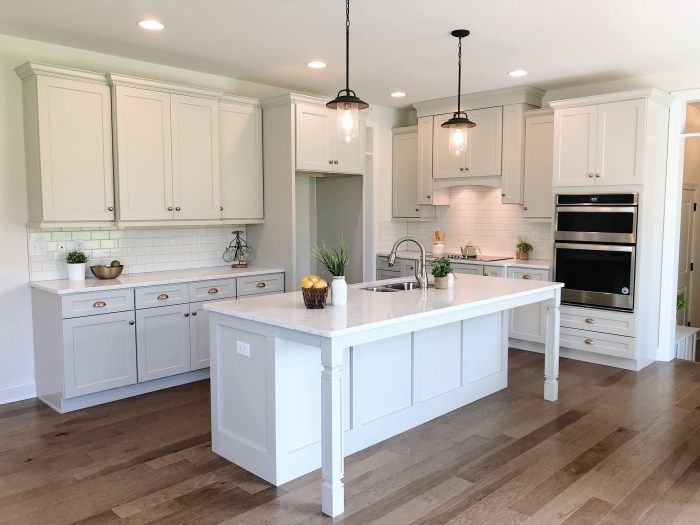
Kitchen renovations are undergoing a significant transformation in 2024, reflecting a blend of sustainability, smart technology, and personalized aesthetics. This year sees a move away from purely trendy designs towards more enduring styles that prioritize both functionality and eco-consciousness. From sustainable materials and energy-efficient appliances to smart kitchen integrations and space-optimizing layouts, the focus is on creating kitchens that are not only stylish but also practical and environmentally responsible.
This exploration delves into the key trends shaping the modern kitchen landscape.
We’ll examine the top five renovation styles—farmhouse, modern, minimalist, traditional, and transitional—analyzing their defining characteristics, color palettes, materials, and fixtures. Furthermore, we’ll discuss the integration of smart technology, sustainable design practices, and cost-effective renovation strategies, providing practical tips and examples to guide your own kitchen project. Ultimately, this guide aims to equip you with the knowledge to create a kitchen that perfectly reflects your style and needs.
Top 5 Kitchen Renovation Styles in 2024
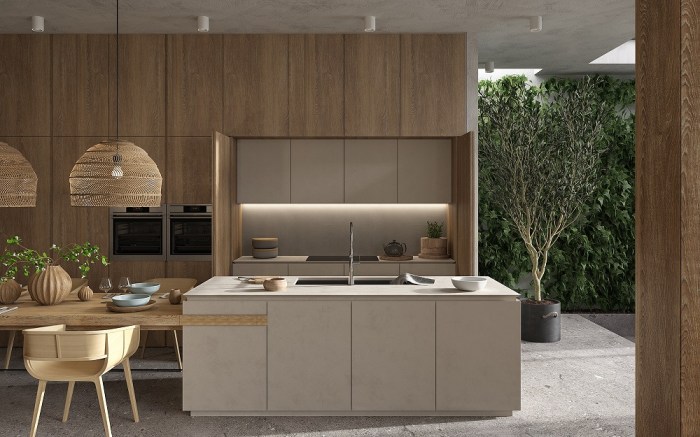
Kitchen renovations are a significant investment, and choosing the right style is crucial for both aesthetic appeal and long-term functionality. Understanding current trends helps homeowners make informed decisions that align with their personal preferences and lifestyle. This section will explore five prominent kitchen renovation styles predicted to be popular in 2024, detailing their defining characteristics, common materials, and color palettes.
Farmhouse Kitchen Style
The farmhouse kitchen style continues its reign, offering a blend of rustic charm and modern practicality. Characterized by its warm and inviting atmosphere, it typically features natural materials such as wood, stone, and exposed beams. Color palettes often include creamy whites, soft grays, and muted blues, accented with pops of warmer tones like terracotta or mustard yellow. Fixtures commonly include apron-front sinks, butcher block countertops, and antique-inspired hardware.
Think of a cozy, lived-in feel with a focus on functionality and natural elements.
Modern Kitchen Style
Modern kitchens prioritize clean lines, minimalist aesthetics, and high-end appliances. Sleek cabinetry, often in shades of white or gray, is a defining feature. Materials like stainless steel, glass, and quartz countertops are frequently used. Color palettes are typically neutral, with pops of color used sparingly as accents. Integrated appliances and handleless cabinetry contribute to the minimalist, streamlined look.
This style emphasizes functionality and a sense of spaciousness.
Minimalist Kitchen Style
Minimalist kitchens take the modern aesthetic a step further, focusing on simplicity and functionality above all else. They feature clean lines, neutral color palettes (think white, beige, and gray), and a lack of unnecessary ornamentation. Materials are typically high-quality and durable, such as solid wood, concrete, or stainless steel. Open shelving might be used to display carefully curated items, while closed storage keeps clutter hidden.
The overall effect is one of calm and serenity.
Traditional Kitchen Style
Traditional kitchens evoke a sense of timeless elegance and sophistication. They often feature ornate cabinetry, detailed moldings, and classic fixtures. Darker wood tones, such as cherry or mahogany, are common, along with marble or granite countertops. Color palettes typically include warm neutrals, such as creams, browns, and beiges, often accented with gold or brass hardware. This style is characterized by its rich detailing and luxurious materials.
Transitional Kitchen Style
The transitional kitchen style blends elements of traditional and modern design, creating a balanced and harmonious space. It often features clean lines and simple cabinetry, but with some traditional details such as crown molding or slightly more ornate hardware. A mix of materials, such as wood and stainless steel, is common, as is a balanced color palette that incorporates both warm and cool tones.
This style offers a comfortable and versatile aesthetic that is both stylish and functional.
Comparison of Kitchen Renovation Styles
| Style | Aesthetic | Materials | Color Palette |
|---|---|---|---|
| Farmhouse | Rustic, warm, inviting | Wood, stone, exposed beams | Creams, whites, muted blues, terracotta |
| Modern | Clean, minimalist, sleek | Stainless steel, glass, quartz | Neutral tones, pops of color |
| Minimalist | Simple, uncluttered, serene | Solid wood, concrete, stainless steel | White, beige, gray |
| Traditional | Elegant, sophisticated, ornate | Dark wood, marble, granite | Warm neutrals, gold accents |
| Transitional | Balanced, versatile, harmonious | Wood, stainless steel, a mix of materials | Mix of warm and cool tones |
Sustainable and Eco-Friendly Kitchen Design
The increasing awareness of environmental concerns is driving a significant shift in kitchen design, with sustainability becoming a key priority for homeowners and designers alike. Eco-friendly kitchens are no longer a niche trend; they represent a responsible and increasingly popular approach to home renovation, offering both environmental and economic benefits. This section explores the key elements of sustainable kitchen design, highlighting practical methods for incorporating eco-conscious choices into your renovation project.
Reclaimed Materials in Kitchen Design
Using reclaimed materials significantly reduces the demand for newly manufactured products, lowering the overall environmental impact of the renovation. Reclaimed wood, for example, can be repurposed for cabinetry, countertops, or flooring, adding character and unique charm to the kitchen. Similarly, salvaged metal can be used for backsplashes or lighting fixtures. The inherent imperfections and variations in reclaimed materials contribute to a rustic, authentic aesthetic, perfectly complementing the growing popularity of farmhouse and industrial kitchen styles.
Choosing reclaimed materials directly supports sustainable forestry practices and reduces landfill waste, aligning with the principles of a circular economy. For instance, old barn wood, carefully treated and refinished, can create stunning kitchen island countertops, showcasing the rich history of the material.
Energy-Efficient Appliances and Lighting
Incorporating energy-efficient appliances is crucial for minimizing the kitchen’s environmental footprint. Choosing appliances with high Energy Star ratings ensures lower energy consumption compared to standard models. This includes refrigerators, dishwashers, ovens, and cooktops. Beyond the appliances themselves, energy-efficient lighting plays a vital role. LED lighting consumes significantly less energy than traditional incandescent or fluorescent bulbs, producing brighter light with a longer lifespan.
Motion sensor lighting in pantries and under-cabinet lighting controlled by dimmers further optimizes energy usage. Consider a refrigerator with advanced insulation and efficient compressors, a dishwasher with optimized water usage and shorter wash cycles, and an induction cooktop for precise temperature control and faster heating.
Water-Saving Fixtures and Their Impact
Water-saving fixtures are another essential element of sustainable kitchen design. Low-flow faucets and showerheads significantly reduce water consumption without compromising functionality. Installing a water-efficient dishwasher and selecting a low-flow kitchen sink faucet can dramatically decrease overall water usage. The impact extends beyond individual household savings; reduced water consumption contributes to the preservation of water resources and minimizes the energy required for water treatment and distribution.
Consider a kitchen faucet with a pull-down spray head and aerator to minimize water flow while maintaining effective cleaning power. Furthermore, installing a garbage disposal with a built-in water filter can help to reduce water pollution.
Sample Sustainable Kitchen Layout
Imagine a kitchen featuring reclaimed wood cabinets, sourced from a local demolition project, paired with countertops crafted from recycled glass. The backsplash is a mosaic made from broken ceramic tiles, repurposed from a previous renovation. Energy-efficient LED lighting illuminates the space, supplemented by strategically placed skylights to maximize natural light. A low-flow faucet graces the sink, and the appliances boast high Energy Star ratings.
The overall design emphasizes natural light, open shelving to minimize cabinet usage, and a layout that promotes efficient workflow to minimize wasted energy and water. The overall aesthetic is one of understated elegance, reflecting a commitment to both style and sustainability. This design showcases how sustainable choices can result in a beautiful and functional kitchen.
Smart Kitchen Technology Integration
The modern kitchen is evolving beyond mere functionality, embracing smart technology to enhance convenience, efficiency, and overall user experience. Integrating smart appliances and features is no longer a luxury but a practical consideration for homeowners seeking a streamlined and technologically advanced culinary space. This integration offers a range of benefits, from improved food management to enhanced energy efficiency, ultimately transforming the way we interact with our kitchens.Smart kitchen technology streamlines daily tasks and optimizes resource utilization.
By connecting various appliances and systems, homeowners gain greater control and visibility over their kitchen operations. This level of integration not only saves time and effort but also contributes to a more sustainable and efficient household. The potential for enhanced safety features, such as automated fire detection and gas leak prevention, further adds to the appeal of smart kitchen integration.
Examples of Smart Kitchen Gadgets and Their Functionalities
Smart kitchen gadgets are rapidly expanding in both variety and sophistication. Several key examples highlight the transformative potential of this technology. Smart refrigerators, for instance, can track inventory, suggest recipes based on available ingredients, and even alert users to expiring items. Smart ovens allow for precise temperature control and remote preheating, while smart dishwashers offer optimized cleaning cycles and intelligent water usage.
Smart microwaves offer preset cooking options and often incorporate voice control for ease of use. Furthermore, smart scales can measure ingredients with precision and transfer data directly to recipe apps, ensuring consistent results. Smart coffee machines offer customizable brewing options and automated scheduling. Finally, smart range hoods automatically adjust ventilation based on cooking activity.
Seamless Incorporation of Smart Technology Without Compromising Aesthetics
Integrating smart technology doesn’t necessitate sacrificing the aesthetic appeal of your kitchen. Many smart appliances are designed with a focus on sleek, modern aesthetics, seamlessly blending into existing kitchen designs. Careful planning and selection of appliances with complementary finishes and styles are crucial. Consider using concealed wiring and discreetly placed control panels to maintain a clean and uncluttered look.
For example, appliances with integrated touch screens or voice-activated controls can minimize the visual clutter of multiple buttons and dials. Subtle lighting integration within cabinetry can also highlight smart features without being visually overwhelming.
Pros and Cons of Various Smart Kitchen Technologies
Before embarking on a smart kitchen renovation, it’s essential to weigh the advantages and disadvantages of different technologies.
- Smart Refrigerators:
- Pros: Inventory management, recipe suggestions, expiration alerts.
- Cons: High initial cost, potential for technical glitches, reliance on internet connectivity.
- Smart Ovens:
- Pros: Precise temperature control, remote preheating, various cooking modes.
- Cons: Higher price point compared to traditional ovens, potential learning curve for advanced features.
- Smart Dishwashers:
- Pros: Optimized cleaning cycles, reduced water usage, remote control.
- Cons: Increased cost, potential for software updates impacting functionality.
- Smart Lighting:
- Pros: Customizable lighting schemes, energy efficiency, remote control.
- Cons: Initial investment, potential compatibility issues with existing systems.
Kitchen Layout and Space Optimization
Optimizing kitchen layout and space is crucial for creating a functional and aesthetically pleasing cooking environment, regardless of the kitchen’s size. Effective planning ensures efficient workflow, ample storage, and a comfortable atmosphere. This section explores various kitchen layouts, space-saving techniques, and storage maximization strategies for both large and small kitchens.
Kitchen Layouts: A Comparative Overview
Different kitchen layouts cater to various needs and spaces. The choice depends on factors such as the size of the room, the number of cooks, and the desired workflow. Popular layouts include galley, L-shaped, U-shaped, and island configurations. Galley kitchens are linear and efficient, ideal for smaller spaces. L-shaped kitchens offer a good balance of counter space and storage.
U-shaped kitchens provide maximum counter and cabinet space, perfect for larger families or avid cooks. Island kitchens add versatility and extra workspace, but require sufficient floor area. The best layout is determined by individual preferences and the specific constraints of the space.
Space-Saving Solutions for Small Kitchens
Small kitchens present unique challenges, requiring creative solutions to maximize functionality. Multifunctional furniture, such as a kitchen island that doubles as a dining table or a breakfast bar, can save space and improve efficiency. Vertical storage, utilizing wall-mounted shelves and tall cabinets, is also essential. Consider using slimline appliances to reduce footprint, and opt for foldable or retractable furniture pieces that can be stored away when not in use.
Clever use of corner cabinets and pull-out shelves can further enhance storage capacity in limited space.
Maximizing Storage and Counter Space
Effective storage solutions are paramount in any kitchen, but especially crucial in smaller ones. Pull-out drawers and shelves provide easy access to items, while corner units with lazy Susans eliminate wasted space. Vertical storage maximizes wall space, and overhead cabinets can be used for less frequently accessed items. Utilizing the space under the sink with pull-out organizers, and installing spice racks on the inside of cabinet doors, adds additional storage capacity without sacrificing valuable counter space.
To maximize counter space, consider built-in appliances and under-counter appliances, keeping the countertops clear and clutter-free.
Sample Small Kitchen Layout with Smart Storage
This example demonstrates how to design a small, efficient kitchen (approximately 8ft x 10ft) incorporating smart storage solutions. We’ll use an L-shaped layout to maximize wall space and create a natural workflow.
| Area | Storage Solution | Description |
|---|---|---|
| Corner Cabinet | Lazy Susan | Provides easy access to items stored in the corner. |
| Sink Base Cabinet | Pull-out organizers | Optimizes space under the sink for cleaning supplies. |
| Wall Cabinets | Vertical dividers and pull-out shelves | Increases storage capacity and keeps items organized. |
| Countertop | Built-in microwave and oven | Frees up valuable counter space. |
| Above Refrigerator | Narrow wall cabinets | Utilizes often-wasted vertical space. |
Budget-Friendly Kitchen Renovation Strategies
Revitalizing your kitchen doesn’t necessitate breaking the bank. With careful planning and creative approaches, you can achieve a stunning transformation without exceeding your budget. This section Artikels practical strategies for cost-effective kitchen renovations, focusing on maximizing value and minimizing expenses.Cost-effective updates to existing cabinets and countertops can significantly impact the overall look of your kitchen. Refacing cabinets, rather than replacing them entirely, offers substantial savings.
Similarly, choosing budget-friendly countertop materials, like laminate or butcher block, provides a stylish and durable alternative to more expensive options like granite or quartz.
Affordable Materials and Appliances
Finding stylish yet affordable materials and appliances is key to a successful budget kitchen renovation. Laminate countertops, while less expensive than solid surfaces, come in a wide array of colors and patterns, mimicking the look of more costly options. Similarly, exploring factory-seconds or slightly damaged appliances from reputable retailers can lead to significant savings without compromising quality. Websites and local stores often offer discounts or clearance sales on appliances, providing opportunities to find great deals.
For example, a slightly dented refrigerator might be available at a fraction of the cost of a new one, often with only minor cosmetic imperfections.
DIY Projects for Cost Savings
Do-it-yourself projects can significantly reduce renovation costs. Painting cabinets is a simple yet effective way to refresh their appearance. A fresh coat of paint can completely transform the look of your kitchen, adding a personalized touch without the expense of new cabinets. Another affordable DIY project is installing new cabinet hardware. Replacing old, outdated knobs and pulls with modern, stylish alternatives can instantly update the look of your cabinets.
Simple projects like tiling a backsplash are also achievable for homeowners with basic DIY skills, providing a cost-effective way to add personality and style. Consider watching online tutorials to familiarize yourself with the techniques before starting. For instance, a YouTube tutorial can walk you through the process of tiling a backsplash, providing step-by-step instructions and helpful tips.
Step-by-Step Budget Kitchen Renovation Planning
Planning is crucial for a successful budget kitchen renovation. First, create a detailed budget outlining all anticipated costs, including materials, appliances, labor (if hiring professionals for certain tasks), and permits. Second, prioritize your renovation needs. Focus on essential upgrades first, such as fixing leaky faucets or replacing outdated appliances. Third, shop around and compare prices from multiple suppliers before purchasing materials and appliances.
Fourth, consider using free online design tools to visualize your kitchen renovation and experiment with different layouts and styles. Finally, create a realistic timeline for completing the renovation, breaking down the project into smaller, manageable tasks. For instance, if you’re repainting cabinets, allot time for prepping the cabinets, applying primer, painting multiple coats, and allowing sufficient drying time between coats.
This detailed approach ensures that the project stays on track and within budget.
Kitchen Renovation Materials and Finishes
Choosing the right materials and finishes is crucial for a successful kitchen renovation. The selections you make will significantly impact the overall look, feel, durability, and even the budget of your project. Careful consideration of each element ensures a kitchen that is both aesthetically pleasing and functional for years to come.
Countertop Materials
Countertops are a focal point in any kitchen, demanding both style and practicality. Granite, quartz, and butcher block are popular choices, each offering unique advantages and disadvantages. Granite, a natural stone, boasts exceptional durability and a luxurious appearance with varied veining and color patterns. However, it requires regular sealing to prevent staining and can be more expensive than other options.
Quartz, an engineered stone, offers a similar look to granite with increased stain and scratch resistance, requiring less maintenance. Butcher block, crafted from wood, provides a warm, rustic aesthetic and is easily repairable, but it’s more susceptible to damage from water and requires regular oiling. The best choice depends on your lifestyle, budget, and desired aesthetic.
Backsplash Materials and Designs
The backsplash protects the wall behind the countertop and offers a significant opportunity to add personality and style to the kitchen. Current trends favor a mix of materials and designs, moving away from uniformity. Subway tile remains a classic, offering a clean, timeless look in various colors and finishes. However, larger format tiles, such as large-scale porcelain slabs or even metallic sheets, are gaining popularity for their modern and minimalist appeal.
Natural stone, such as marble or slate, provides a more organic and textured feel, while glass tiles offer a unique play of light and color. Mosaic tiles, in various patterns and colors, allow for intricate designs and personalized touches. The selection depends on the overall kitchen style and the desired level of visual impact.
Cabinet Finishes and Durability
Cabinet finishes significantly influence the kitchen’s appearance and longevity. Traditional painted finishes offer a wide range of colors and are relatively easy to clean. However, they can chip or scratch more easily than other options. Lacquered finishes provide a high-gloss, sleek look that is highly durable and resistant to scratches and stains. Thermofoil finishes, a more budget-friendly option, are made from a plastic laminate applied to the cabinet doors, offering good durability but less design flexibility.
Wood veneers offer a natural, luxurious feel and can be stained or painted to match various styles. The durability of each finish varies depending on the quality of materials and application, with lacquered and some high-quality wood veneers providing the longest lifespan.
Flooring Choices and Their Impact
Kitchen flooring must withstand heavy traffic, spills, and potential damage. Porcelain and ceramic tiles are popular choices due to their durability, water resistance, and ease of cleaning. However, they can be cold underfoot. Luxury vinyl plank (LVP) flooring offers a more comfortable feel underfoot, mimicking the look of hardwood or stone while being waterproof and durable. Engineered hardwood provides a classic, elegant look, but it’s more susceptible to water damage and requires more maintenance than other options.
Natural stone, such as slate or travertine, offers a unique aesthetic but can be more expensive and require sealing. The ideal flooring choice balances aesthetics, durability, and budget, considering the overall kitchen design and lifestyle of the occupants.
Lighting and Mood in Kitchen Design
Effective kitchen lighting is crucial for both functionality and ambiance. A well-lit kitchen is not only safer and more efficient for food preparation but also contributes significantly to the overall mood and aesthetic appeal of the space. Layered lighting, incorporating various types of fixtures, is key to achieving this balance.Layered lighting strategically combines different light sources to create a multi-dimensional illumination scheme.
This approach ensures that the kitchen is adequately lit for all activities, from prepping ingredients to enjoying a meal, while simultaneously setting a desired atmosphere. The absence of layered lighting often results in harsh, uneven illumination, making the kitchen feel cold and uninviting.
Types of Kitchen Lighting Fixtures and Their Applications
The three main types of kitchen lighting are ambient, task, and accent lighting. Ambient lighting provides overall illumination, task lighting focuses light on specific work areas, and accent lighting highlights architectural features or decorative elements. A successful lighting plan integrates all three.
Ambient lighting typically uses recessed downlights or ceiling fixtures to provide a soft, even light across the entire kitchen. Imagine a row of sleek, modern recessed lights, evenly spaced across the ceiling, providing a bright yet diffused glow. This is perfect for general illumination, creating a comfortable base level of light.
Task lighting is essential for work areas like the countertop and sink. Under-cabinet lighting, pendant lights above islands, or adjustable spotlights focused on specific tasks provide concentrated light where it’s needed most. For example, a row of LED strip lights under the upper cabinets provides excellent task lighting for food preparation, preventing shadows and eye strain. A single, stylish pendant light above a kitchen island would offer both task and ambient lighting in that specific zone.
Accent lighting adds personality and drama to the space. This could include track lighting highlighting artwork or shelving, or strategically placed spotlights emphasizing a unique backsplash or textured wall. Picture a spotlight focused on a beautiful collection of cookbooks on an open shelf, showcasing their detail and adding visual interest.
Creating a Warm and Inviting Atmosphere Through Lighting
The color temperature of the light bulbs significantly impacts the mood. Warmer color temperatures (2700K-3000K) create a cozy and inviting atmosphere, while cooler temperatures (5000K-6500K) can feel sterile and clinical. Using dimmers allows for adjusting the brightness and creating different moods throughout the day. For instance, a warmer light setting is ideal for evening meals, while a brighter setting is more suitable for daytime food preparation.
Incorporating natural light whenever possible also enhances the warmth and openness of the space. Large windows or skylights, combined with strategically placed sheer curtains, can dramatically improve the ambiance.
Sample Kitchen Lighting Plan
This plan incorporates ambient, task, and accent lighting for a balanced and functional kitchen.
Ambient Lighting: Six recessed LED downlights (3000K) evenly spaced across the ceiling. This provides a consistent base level of illumination throughout the kitchen.
Task Lighting: LED under-cabinet lighting (3000K) along the entire length of the countertop. A single pendant light (2700K) above the kitchen island, providing both task and ambient lighting in this area. This focuses light directly onto the preparation and cooking zones.
Accent Lighting: Two adjustable track lights (3000K) highlighting a decorative backsplash. This adds a touch of drama and visual interest to the space. The color temperature consistency maintains a unified aesthetic.
Designing your dream kitchen in 2024 involves a thoughtful consideration of style, sustainability, and smart technology. By understanding the prevalent trends and incorporating elements that prioritize both aesthetics and functionality, you can create a space that is not only beautiful but also efficient and environmentally responsible. Whether embracing a minimalist aesthetic, a rustic farmhouse charm, or the sleek lines of modern design, the key lies in integrating elements that resonate with your personal style and enhance your daily life.
Remember to factor in budget-friendly strategies and sustainable practices to create a kitchen that is both stylish and mindful.
Key Questions Answered
What are the most popular countertop materials in 2024?
Quartz and engineered stone remain highly popular for their durability and low maintenance, while butcher block and recycled glass offer sustainable alternatives.
How can I maximize storage in a small kitchen?
Utilize vertical space with tall cabinets and pull-out shelves. Consider corner units with specialized storage solutions and maximize under-sink space with organizers.
What are some cost-effective ways to update my kitchen cabinets?
Repainting existing cabinets, replacing hardware, and adding new cabinet doors are significantly more affordable than a full cabinet replacement.
What is the average cost of a kitchen renovation in 2024?
Costs vary widely depending on location, scope of work, and materials chosen. It’s best to obtain multiple quotes from contractors for accurate budgeting.


