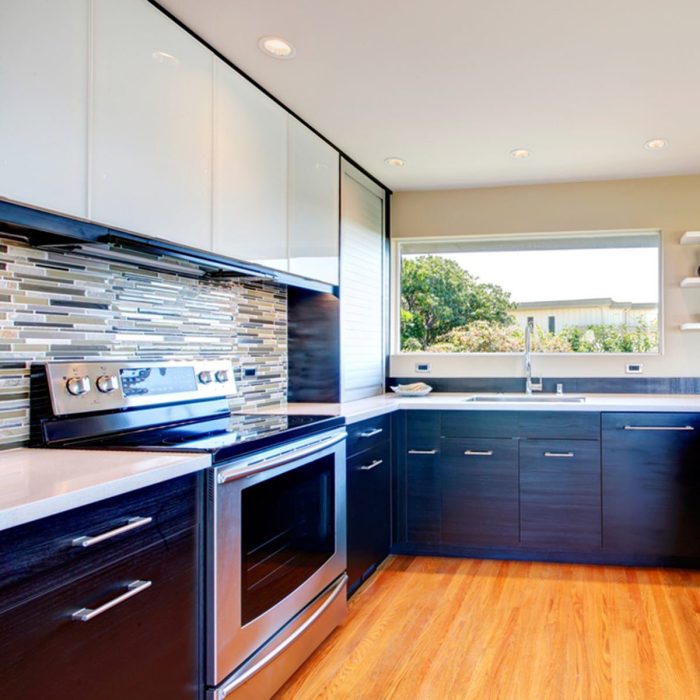
Transforming your kitchen can be an exciting yet daunting undertaking. This guide delves into the world of kitchen renovations, offering a blend of practical advice and inspirational ideas to help you create the kitchen of your dreams. Whether you’re aiming for a budget-friendly refresh or a complete overhaul, we’ll explore various styles, modern trends, space-saving solutions, and sustainable practices to guide you through every step of the process.
From choosing the right materials and appliances to maximizing space and incorporating eco-friendly choices, we provide a holistic approach to kitchen renovation.
We cover a range of topics, from budget-conscious renovations using repurposed materials to incorporating the latest modern design trends and maximizing space in smaller kitchens. We also emphasize sustainable practices and offer comparisons of various kitchen styles to help you choose the perfect aesthetic for your home. Our aim is to empower you with the knowledge and inspiration needed to make informed decisions and achieve your desired kitchen transformation.
Budget-Friendly Kitchen Renovation Ideas
A kitchen renovation doesn’t have to break the bank. With careful planning and creative solutions, you can achieve a stunning and functional kitchen upgrade without exceeding your budget. This section explores various strategies to maximize your renovation impact while minimizing costs.
Five Budget-Friendly Kitchen Renovation Ideas
Implementing cost-effective strategies is key to a successful budget kitchen renovation. The following ideas offer practical solutions for achieving a significant upgrade without excessive expenditure.
| Idea | Description | Materials | Estimated Cost |
|---|---|---|---|
| Refacing Cabinets | Instead of replacing entire cabinets, refacing involves replacing the doors, drawer fronts, and hardware. This significantly alters the look without the expense of new cabinets. | New cabinet doors and drawer fronts (pre-made or custom), new hinges and knobs, paint or stain. | $2,000 – $5,000 (depending on cabinet size and material choice) |
| Updating Countertops with Laminate | Laminate countertops offer a budget-friendly alternative to granite or quartz, mimicking the look of more expensive materials at a fraction of the cost. | Laminate sheets, adhesive, sealant. | $500 – $1,500 (depending on countertop size and complexity) |
| Painting Walls and Cabinets | A fresh coat of paint can dramatically transform the look of your kitchen. Choose durable, easy-to-clean paints for walls and cabinets. | Paint (interior, high-gloss for cabinets), primer, brushes, rollers, painter’s tape. | $100 – $500 (depending on kitchen size and number of cabinets) |
| Installing Inexpensive Backsplash | Consider budget-friendly backsplash options like peel-and-stick tiles, painted subway tile, or even a durable, easily-cleaned paint. | Peel-and-stick tiles, paint, subway tiles (if chosen), grout (if applicable). | $100 – $1,000 (depending on material choice and kitchen size) |
| Replacing Faucet and Sink | A new faucet and sink can instantly update the look and functionality of your kitchen. Look for sales and discounts to save money. | New faucet, new sink, plumbing supplies. | $200 – $1,000 (depending on style and material) |
Small Kitchen Renovation Plan for Maximum Space and Functionality
Maximizing space and functionality in a small kitchen requires strategic planning and the use of space-saving techniques. This plan focuses on improving efficiency and storage without sacrificing style. The key is to carefully consider every element and prioritize functionality.A small kitchen renovation could focus on installing pull-out shelves in base cabinets to maximize storage, replacing bulky upper cabinets with open shelving to create a sense of spaciousness, and incorporating a vertical storage solution, such as a slim pantry cabinet, to increase storage capacity without taking up significant floor space.
Using light-colored paint on walls and cabinets will also make the space feel larger.
Three Creative Ways to Repurpose Existing Kitchen Elements
Repurposing existing elements can significantly reduce renovation costs. By creatively reusing materials, you can save money and add a unique touch to your kitchen.
- Repurpose old cabinet doors as shelves or wall art: Instead of discarding old cabinet doors, sand them down, paint them, and use them as open shelving or unique wall art pieces.
- Transform old countertops into cutting boards or serving trays: If your old countertops are still in good condition, cut them into smaller pieces to create custom cutting boards or stylish serving trays.
- Use existing tiles for a backsplash accent: If you have leftover tiles from another project, use them to create a unique and cost-effective backsplash accent wall.
Advantages and Disadvantages of Using Affordable Materials in a Kitchen Renovation
The decision to use affordable materials involves weighing the benefits and drawbacks carefully. While cost savings are significant, durability and longevity need to be considered.Advantages include lower initial costs, enabling more extensive renovations within a fixed budget. Disadvantages might include shorter lifespan and potential need for more frequent replacements. For example, laminate countertops are cheaper than granite but may scratch or stain more easily.
However, with proper care and maintenance, affordable materials can provide satisfactory service for many years.
Modern Kitchen Design Trends
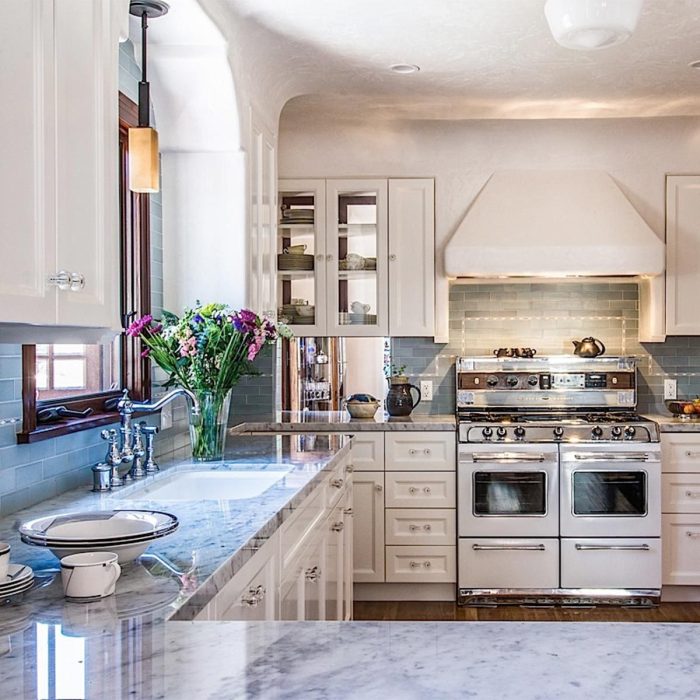
Modern kitchen design is constantly evolving, reflecting shifts in aesthetics, technology, and lifestyle preferences. This section explores the top trends shaping contemporary kitchens, focusing on their visual appeal and practical advantages.
Top Three Modern Kitchen Design Trends
Three prominent trends currently defining modern kitchen design are the integration of smart technology, the embrace of sustainable and natural materials, and the continued popularity of open-plan layouts. Smart technology streamlines functionality, sustainable materials minimize environmental impact, and open-plan designs maximize space and social interaction. These trends, while distinct, often complement each other in creating a holistic and contemporary kitchen space.
Material Selection in Modern Kitchens
Quartz countertops are a mainstay in modern kitchens due to their durability, stain resistance, and variety of colors and patterns mimicking natural stone, offering both practicality and aesthetic appeal. Stainless steel appliances remain a classic choice, offering a sleek, professional look and easy maintenance. Their longevity and resistance to rust make them a cost-effective long-term investment. Beyond these staples, the use of natural materials like wood, bamboo, and reclaimed timber is growing, reflecting a move towards eco-conscious design.
These materials introduce warmth and texture, contrasting beautifully with the clean lines of stainless steel and quartz.
Minimalist versus Maximalist Modern Kitchens
Minimalist modern kitchens prioritize clean lines, simple forms, and a neutral color palette. They feature streamlined cabinetry, minimal ornamentation, and a focus on functionality. An example would be a kitchen with white shaker cabinets, a quartz countertop, and stainless steel appliances, all set against a backdrop of neutral-toned walls. In contrast, maximalist modern kitchens embrace bolder colors, textures, and patterns.
They feature a mix of materials, unique lighting fixtures, and visually striking elements, creating a more dynamic and expressive space. An example might include dark cabinetry, a patterned backsplash, brass hardware, and a collection of colorful cookbooks displayed on open shelving.
Modern Kitchen Mood Board: Natural Light and Sustainable Materials
Imagine a kitchen bathed in natural light, its airy atmosphere enhanced by a palette of soft greys, creamy whites, and accents of warm, natural wood. The countertops are crafted from sustainable bamboo, their smooth texture contrasting with the slightly rougher feel of the reclaimed wood used for the island. The backsplash features large, rectangular tiles of a pale, textured stone, mirroring the subtle veining found in the quartz countertop.
Recessed lighting provides ambient illumination, while pendant lights above the island add a touch of warmth and style. The overall effect is one of serene elegance, reflecting a commitment to both aesthetic beauty and environmental responsibility.
Modern Kitchen Layout
The following table illustrates a sample modern kitchen layout:
| Area | Placement |
|---|---|
| Sink | Against a window, maximizing natural light |
| Stove | Adjacent to the sink, forming a practical work triangle |
| Oven | Integrated into cabinetry, maintaining a clean aesthetic |
| Refrigerator | Discreetly placed within cabinetry |
| Island | Central location, serving as a prep area and casual dining space |
Kitchen Renovation Styles
Choosing the right style for your kitchen renovation is crucial for achieving a space that reflects your personal taste and enhances your home’s overall aesthetic. This section provides a comparative analysis of three popular kitchen renovation styles: Farmhouse, Contemporary, and Traditional. Understanding the key features and target audience for each style will help you make an informed decision.
Farmhouse Kitchen Style Characteristics
The Farmhouse style evokes a sense of rustic charm and warmth. Imagine a kitchen bathed in natural light, featuring distressed wood cabinetry with a warm, honeyed tone, perhaps slightly weathered for added character. Countertops might be a creamy white marble or a butcher block surface, adding to the homespun feel. Flooring often consists of wide-plank wood in a light, natural stain or even reclaimed barn wood, enhancing the rustic appeal.
| Style | Key Features | Target Audience | Visual Description |
|---|---|---|---|
| Farmhouse | Distressed wood cabinetry, butcher block or marble countertops, wide-plank wood flooring, open shelving, apron-front sink. | Homeowners who appreciate rustic charm, a cozy atmosphere, and a blend of modern convenience with traditional aesthetics. Individuals seeking a warm and inviting kitchen space. | Imagine a bright kitchen with exposed beams, a large farmhouse sink, and open shelving displaying vintage crockery and cookbooks. The overall feel is relaxed and inviting, with a touch of country charm. Warm, natural light floods the space, highlighting the rich tones of the wood cabinetry and flooring. |
| Contemporary | Sleek cabinetry with flat-panel doors, quartz or granite countertops, polished concrete or large-format tile flooring, minimalist hardware, integrated appliances. | Homeowners who prefer clean lines, minimalist design, and a modern aesthetic. Individuals who value functionality and efficiency in their kitchen space. | Visualize a kitchen with crisp, clean lines and a monochromatic color palette. Sleek, handleless cabinetry is paired with a sophisticated countertop material like polished concrete or quartz. The flooring is a large-format tile or polished concrete, reflecting light and creating a sense of spaciousness. |
| Traditional | Detailed cabinetry with raised-panel doors, granite or marble countertops, hardwood flooring (often dark stained), ornate hardware, crown molding. | Homeowners who appreciate classic elegance, timeless design, and a sense of formality. Individuals who prefer a sophisticated and refined kitchen space. | Picture a kitchen with rich, dark wood cabinetry, detailed molding, and elegant hardware. The countertops are likely a high-end material like granite or marble, and the flooring is hardwood, possibly a dark stain to complement the cabinetry. The overall feeling is one of sophistication and timeless elegance. |
Choosing a Kitchen Renovation Style that Complements the Overall Home Design
Selecting a kitchen renovation style that harmonizes with the existing home design is paramount. A contemporary kitchen might clash with a Victorian-style home, while a farmhouse kitchen could feel out of place in a sleek, modern residence. Consider the architectural style of your home, its existing color palette, and the overall aesthetic you wish to maintain or enhance.
Maintaining consistency in materials, colors, and design elements will create a cohesive and visually appealing living space. For instance, a craftsman style home would pair well with a traditional kitchen, emphasizing natural materials and handcrafted details. A mid-century modern home might be beautifully complemented by a contemporary kitchen with its clean lines and minimalist design.
Ultimately, a successful kitchen renovation is a balance of practicality, aesthetics, and sustainability. By carefully considering your budget, desired style, available space, and environmental impact, you can create a functional and beautiful kitchen that enhances your home and reflects your personal style. Remember to plan meticulously, research thoroughly, and don’t hesitate to seek professional advice when needed. With careful planning and the right approach, your kitchen renovation journey can be both rewarding and enjoyable, resulting in a space you’ll cherish for years to come.
Helpful Answers
What is the average cost of a kitchen renovation?
The cost varies greatly depending on the scope of the project, materials used, and location. Expect a wide range, from a few thousand dollars for minor updates to tens of thousands for a complete remodel.
How long does a kitchen renovation typically take?
The timeline depends on the project’s complexity. Small updates might take a few weeks, while extensive renovations can last several months.
Do I need to hire a contractor for a kitchen renovation?
While some smaller projects can be DIY, larger renovations often require the expertise of a licensed contractor to ensure proper installation and code compliance.
What permits are needed for a kitchen renovation?
Permit requirements vary by location. Check with your local building department to determine necessary permits before starting any work.


