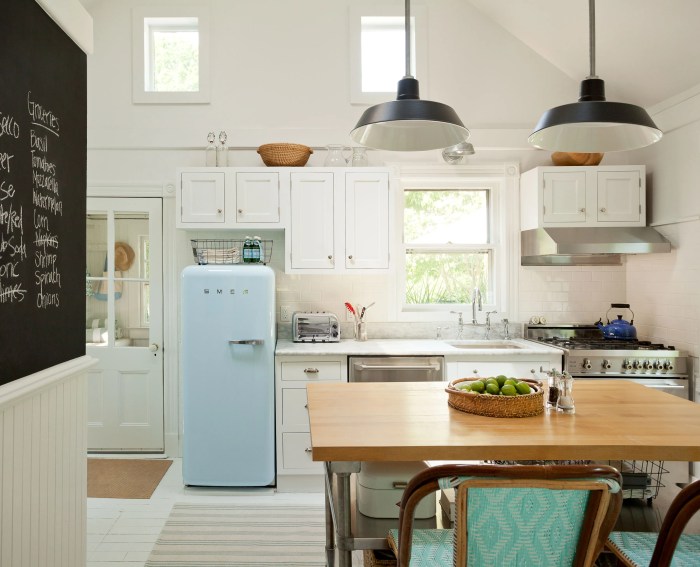
Transforming a small kitchen into a functional and stylish space is a rewarding yet challenging endeavor. This guide navigates the complexities of small kitchen renovations, offering practical advice and innovative solutions to maximize space and enhance the overall aesthetic. From clever storage ideas to efficient appliance choices, we’ll explore every aspect of creating your dream kitchen, even within limited square footage.
We’ll delve into crucial planning stages, including budgeting, timeline creation, and securing necessary permits. We’ll also examine design elements such as layout optimization, color palettes, and material selections that visually expand the space. The journey to your renovated kitchen begins here, empowering you with the knowledge and confidence to tackle this exciting project.
Planning a Small Kitchen Renovation
Renovating a small kitchen presents unique challenges, requiring careful planning to maximize space and functionality without compromising style. A well-planned renovation can transform a cramped space into an efficient and aesthetically pleasing heart of the home. This section Artikels key considerations for successfully undertaking such a project.
Small Kitchen Layout Options
Effective space utilization is paramount in small kitchen renovations. Three common layouts, each with advantages and disadvantages, are detailed below. Careful consideration of your workflow and storage needs is crucial in selecting the most suitable option.
| Layout | Description | Pros | Cons |
|---|---|---|---|
| Galley Kitchen | Two parallel runs of countertops and cabinets. | Efficient workflow, maximizes storage in a narrow space. | Can feel cramped if too narrow; limited counter space. |
| L-Shaped Kitchen | Countertops and cabinets arranged in an “L” shape. | Good use of corner space, creates a defined workspace. | Can restrict movement if not properly planned; may require more careful placement of appliances. |
| U-Shaped Kitchen | Countertops and cabinets form a “U” shape. | Ample counter and storage space; good for larger families or frequent cooks. | Requires a larger space; can feel overwhelming in a very small kitchen. |
Essential Tools and Materials
A well-stocked toolbox is crucial for a smooth renovation. Failing to have the right tools can lead to delays and frustration. Similarly, purchasing the necessary materials upfront prevents project interruptions.
The following list details essential tools and materials for a small kitchen renovation:
- Tools: Measuring tape, level, drill, screwdriver set, hammer, saw, pliers, putty knife, safety glasses, work gloves.
- Materials (examples, quantities will vary based on project scope): Cabinetry (pre-assembled or custom), countertops (granite, laminate, butcher block), sink and faucet, flooring (tile, vinyl, laminate), backsplash tiles, paint, grout, sealant, screws, nails, wood glue.
Budgeting and Timeline Creation
Accurate budgeting and realistic timeline setting are vital for successful kitchen renovation. Underestimating costs or time can lead to significant stress and project delays.
A detailed budget should encompass all anticipated expenses, including materials, labor (if hiring professionals), permits, and unforeseen costs (a contingency of 10-20% is recommended). A realistic timeline should account for each phase of the project, from design and planning to demolition, installation, and finishing touches. For example, a small kitchen renovation might take 4-6 weeks, while a larger project could extend to several months.
Consider factors like material availability and contractor scheduling when setting your timeline. Using project management software or a detailed spreadsheet can help maintain organization and track progress.
Space-Saving Design Ideas for Small Kitchens
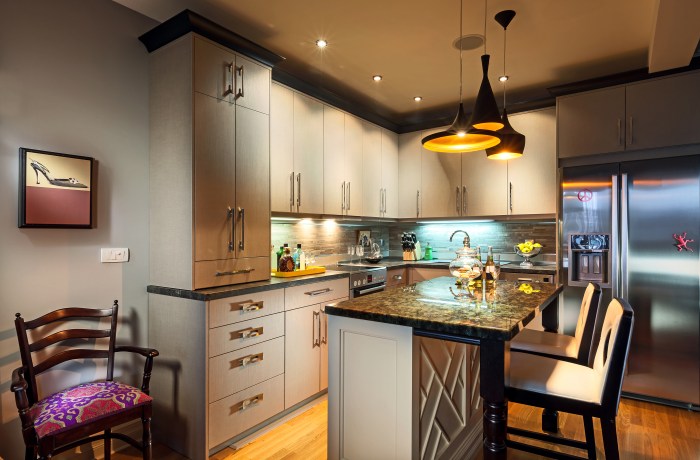
Maximizing space in a small kitchen requires careful planning and the incorporation of clever design solutions. By strategically utilizing vertical space, employing multi-functional furniture, and choosing appropriately sized appliances, even the smallest kitchen can become efficient and aesthetically pleasing. This section explores several innovative approaches to achieve this.
Innovative Space-Saving Storage Solutions
Effective storage is paramount in a small kitchen. The following examples illustrate how creative storage solutions can significantly increase usable space.
- Pull-Out Pantry: Imagine a narrow, deep cabinet fitted with pull-out shelves. These shelves glide smoothly out of the cabinet, allowing easy access to even the items stored furthest back. The image depicts a sleek, white pull-out pantry with adjustable shelves, neatly organized with canned goods, spices, and dry ingredients. The shelves are made of sturdy wire mesh, allowing for good visibility and airflow.
The cabinet itself is integrated seamlessly into the kitchen cabinetry, maintaining a clean and uncluttered look.
- Vertical Spice Rack: Visualize a slim, tall spice rack mounted on the inside of a cabinet door or on a wall. This rack utilizes vertical space efficiently, holding numerous spice jars in a compact, organized manner. The image shows a magnetic spice rack with clear glass jars, allowing for easy identification of each spice. The rack is a brushed stainless steel, matching the other kitchen appliances, and is mounted on the inside of a pantry door, maximizing space utilization.
- Corner Carousel: Picture a rotating carousel unit installed in a corner cabinet. This circular shelf system allows for easy access to items stored in otherwise inaccessible corners. The image showcases a lazy susan style carousel with multiple tiers, each tier rotating independently. It is made of durable wood with a light stain finish, complementing the overall kitchen aesthetic.
The carousel efficiently uses the often-wasted corner space.
- Under-Sink Organizer: Envision a customized under-sink organizer with adjustable trays and compartments. This system neatly arranges cleaning supplies, trash bags, and other items, preventing clutter and maximizing space under the sink. The image shows a white plastic organizer with multiple drawers and compartments, perfectly fitted under the sink. Each compartment is labeled for easy identification of its contents. The organizer is designed to make the most of the limited space under the sink.
- Wall-Mounted Fold-Down Table: Consider a wall-mounted fold-down table that can be folded away when not in use. This provides additional workspace when needed and folds neatly against the wall when not, saving valuable floor space. The image shows a sleek, white fold-down table with a minimalist design, attached to the wall with sturdy hinges. When folded, it is flush against the wall, almost invisible.
Smart Appliances and Technology for Enhanced Efficiency
Integrating smart appliances can streamline kitchen workflows and improve overall efficiency.
A well-designed small kitchen might include a smart refrigerator with an internal camera that allows you to see what’s inside remotely via a smartphone app, eliminating the need to constantly open the door. A smart oven with pre-programmed settings and Wi-Fi connectivity enables remote control and monitoring of cooking processes. A dishwasher with automated cleaning cycles and sensor technology optimizes water and energy usage.
A smart countertop appliance, like a combination air fryer and microwave, saves space and provides versatile cooking options. Finally, smart lighting controlled via an app or voice command adjusts lighting levels to create the perfect ambiance and enhance visibility during food preparation.
Light and Dark Colors for the Illusion of Space
The choice of color significantly impacts the perceived size of a small kitchen.
| Color Scheme | Effect on Space Perception | Example |
|---|---|---|
| Light Colors (Whites, Creams, Pastels) | Reflect light, making the space feel larger and airier. | A kitchen with white cabinets, light countertops, and pastel-colored walls. |
| Dark Colors (Grays, Blues, Blacks) | Can make the space feel cozier but potentially smaller if not used strategically. Best used as accents. | A kitchen with white cabinets, dark gray countertops, and dark blue accent wall. |
Choosing Materials and Finishes for Small Kitchens
Selecting the right materials and finishes is crucial for maximizing both the functionality and aesthetic appeal of a small kitchen. The choices you make will significantly impact the overall look and feel of the space, as well as its longevity and ease of maintenance. Careful consideration of each element—from countertops and cabinets to backsplashes—is essential to creating a kitchen that feels both spacious and stylish.
Countertop Material Selection for Small Kitchens
The countertop is a focal point in any kitchen, and the choice of material significantly impacts the overall design. The following table compares popular countertop options, considering their suitability for small kitchens:
| Material | Advantages | Disadvantages |
|---|---|---|
| Granite | Durable, heat-resistant, elegant appearance, wide variety of colors and patterns. | Can be expensive, requires sealing, susceptible to staining if not properly sealed, heavy which can be a concern in some older buildings. |
| Quartz | Durable, non-porous (no sealing needed), stain-resistant, wide variety of colors and patterns, relatively low maintenance. | Can be expensive, can chip or scratch under extreme force, may appear less natural than granite. |
| Laminate | Affordable, easy to install, wide variety of colors and patterns, relatively easy to clean. | Not as durable as natural stone or quartz, can be easily scratched or damaged by heat, less resistant to stains. |
| Butcher Block | Warm, natural look, durable with proper maintenance, easily repaired. | Requires regular oiling, susceptible to water damage if not properly maintained, can be prone to scratches and stains. |
Cabinet Styles and Colors for Small Kitchens
The style and color of your cabinets play a significant role in shaping the overall atmosphere of your small kitchen. Consider these factors:
- Light-colored cabinets: These create a sense of spaciousness and brightness, making the kitchen feel larger than it is. Off-white, cream, and light gray are excellent choices. Imagine a small kitchen with white shaker cabinets – the clean lines and bright color immediately make the space feel airy and open.
- Minimalist cabinet styles: Shaker-style cabinets, with their simple, clean lines, are ideal for small kitchens. Avoid overly ornate or bulky styles that can overwhelm the space. A sleek, handleless design can further enhance the feeling of spaciousness.
- Dark-colored cabinets: While they can create a sophisticated and dramatic look, dark-colored cabinets can make a small kitchen feel smaller. If using dark colors, consider pairing them with light countertops and walls to balance the visual weight.
- Glass-front cabinets: Strategically incorporating glass-front cabinets can add visual interest and help to lighten the feel of the space, especially if the contents are neatly arranged and visually appealing.
Backsplash Options for Small Kitchens
The backsplash is a great opportunity to add personality and style to your small kitchen while protecting the wall behind your countertops. Three popular and practical options are:
- Subway Tile: Classic subway tile is a versatile and timeless choice. Its rectangular shape and simple design work well in small spaces. Maintenance is straightforward – regular wiping with a damp cloth is usually sufficient. Consider a lighter color grout to maximize the feeling of spaciousness.
- Glass Tile: Glass tile reflects light, making the kitchen feel brighter and larger. It’s also easy to clean and relatively low-maintenance. However, it can be more expensive than other options. Regular cleaning with a glass cleaner is recommended.
- Large-format tiles: Using larger tiles minimizes grout lines, creating a cleaner, more modern look. Fewer grout lines also mean less cleaning. However, large tiles can be more difficult to install, and any imperfections will be more noticeable.
Budgeting and Managing a Small Kitchen Renovation
Renovating a small kitchen can be a rewarding experience, transforming a cramped space into an efficient and stylish hub. However, careful planning and budgeting are crucial for a successful project. This section details the process of obtaining necessary permits, creating a realistic budget, and finding reliable contractors.
Obtaining Necessary Permits and Approvals
Securing the required permits before starting any renovation work is essential to avoid costly delays and potential legal issues. The specific permits needed vary by location and the scope of the renovation. Generally, you’ll need to contact your local building department to determine the necessary permits and applications. This usually involves submitting detailed plans of your proposed renovations, including plumbing, electrical, and structural changes.
Expect a review period, and be prepared to address any concerns raised by the building inspector. Failure to obtain the necessary permits can result in stop-work orders, fines, and even the need to undo completed work. The process often includes inspections at various stages of the project to ensure compliance with building codes and safety regulations.
Sample Budget Breakdown for a Small Kitchen Renovation
Creating a detailed budget is critical to managing costs effectively. Unexpected expenses can quickly derail a project, so it’s best to overestimate rather than underestimate. The following table provides a sample budget breakdown for a small kitchen renovation. Remember that these are estimates, and your actual costs may vary depending on your location, choices of materials, and the complexity of the project.
| Category | Estimated Cost |
|---|---|
| Design & Planning | $500 – $1500 |
| Permits & Inspections | $300 – $800 |
| Demolition & Disposal | $500 – $1500 |
| Cabinetry (including installation) | $3000 – $8000 |
| Countertops | $1500 – $4000 |
| Appliances | $2000 – $6000 |
| Plumbing | $1000 – $3000 |
| Electrical | $800 – $2000 |
| Flooring | $500 – $2000 |
| Painting & Finishing | $500 – $1500 |
| Contingency (10-15% of total cost) | $1000 – $3000+ |
| Total Estimated Cost | $12,100 – $33,300 |
Note: This budget assumes a relatively straightforward renovation. More extensive projects, such as moving plumbing or electrical lines, will significantly increase the cost.
Finding and Hiring Reliable Contractors
Finding a trustworthy and skilled contractor is paramount for a successful renovation. Start by gathering recommendations from friends, family, and neighbors. Online reviews and ratings can also be helpful, but always verify information with multiple sources. Obtain at least three detailed quotes from different contractors, ensuring they clearly Artikel the scope of work, materials used, and payment schedule.
Check references and verify licensing and insurance. A well-structured contract should clearly specify all aspects of the project, including timelines, payment terms, and dispute resolution mechanisms. Avoid contractors who pressure you into making quick decisions or who provide vague or incomplete quotes. Choosing a reputable contractor will ensure the project is completed to a high standard and within budget.
Kitchen Renovation
A successful small kitchen renovation hinges not only on clever space-saving techniques and material choices but also on careful consideration of broader design elements that impact functionality and enjoyment. Overlooking these aspects can significantly diminish the overall effectiveness and satisfaction derived from the project. This section addresses key general considerations to ensure a smooth and rewarding renovation process.
Ventilation and Lighting in Kitchen Design
Proper ventilation and lighting are crucial for both the functionality and the aesthetic appeal of a kitchen. Effective ventilation removes cooking odors, steam, and grease, preventing the buildup of grime and maintaining a pleasant atmosphere. Insufficient ventilation can lead to damage to cabinets and walls, and potentially create health hazards. Similarly, good lighting is essential for task completion, creating a safe and efficient workspace.
Poor lighting can strain the eyes and increase the risk of accidents. Consider installing a powerful range hood with sufficient CFM (cubic feet per minute) rating to effectively remove cooking fumes. Supplement overhead lighting with task lighting under cabinets and accent lighting to highlight features. Natural light, where available, should be maximized to create a brighter and more inviting space.
Kitchen Renovation Checklist
Thorough planning is key to a successful kitchen renovation. A well-structured checklist helps ensure all aspects are addressed, minimizing unforeseen issues and delays.
Before the Renovation:
- Define your budget and stick to it. Unexpected costs can quickly derail a project.
- Create detailed plans, including layouts, material selections, and appliance specifications. Consider using design software or consulting a professional.
- Obtain necessary permits and approvals from your local authorities.
- Secure all necessary materials and appliances well in advance to avoid delays.
- Arrange for temporary kitchen facilities if necessary, such as a microwave and portable cooking appliances.
During the Renovation:
- Maintain open communication with your contractor or renovation team.
- Regularly inspect the work to ensure it meets your expectations and specifications.
- Address any issues or concerns promptly to prevent them from escalating.
- Document the progress of the renovation with photos or videos.
After the Renovation:
- Conduct a thorough inspection of the completed work, checking for any defects or unfinished tasks.
- Clean the kitchen thoroughly to remove construction debris.
- Test all appliances and fixtures to ensure they are functioning correctly.
- Dispose of all construction waste properly.
- Review and settle all invoices and payments.
Minimizing Disruption During Renovation
A kitchen renovation inevitably causes some disruption to daily life. However, careful planning can significantly mitigate this inconvenience.
Strategies for minimizing disruption include:
- Phased approach: Instead of a complete shutdown, consider renovating in stages, allowing you to maintain some kitchen functionality throughout the process. For example, tackle one area at a time – cabinets first, then countertops, etc.
- Temporary kitchen: Set up a temporary cooking area in another part of the house, using a portable cooktop, microwave, and other essential appliances. This minimizes reliance on takeout or eating out.
- Meal prepping: Prepare meals in advance before the renovation begins, freezing portions for easy reheating. This reduces the need for cooking during the renovation period.
- Clear workspace: Remove as many items as possible from the kitchen before the renovation begins, storing them elsewhere in the house. This simplifies the work and reduces the risk of damage to belongings.
- Communication is key: Maintain clear communication with your contractor and family members about the renovation schedule and any potential disruptions. This ensures everyone is informed and prepared.
Renovating a small kitchen successfully hinges on meticulous planning, creative design solutions, and a realistic budget. By carefully considering layout, storage, materials, and appliances, you can achieve a stunning transformation that maximizes functionality and style within a compact space. Remember, attention to detail and smart choices can create a kitchen that is both beautiful and highly efficient, exceeding your expectations for years to come.
Embrace the process, and enjoy the fruits of your labor in your newly revitalized culinary haven.
Top FAQs
What is the average cost of a small kitchen renovation?
Costs vary greatly depending on location, materials, and scope of work. Expect a range from a few thousand to tens of thousands of dollars.
How long does a small kitchen renovation typically take?
The timeframe depends on project complexity and contractor availability. Smaller projects might take a few weeks, while larger ones can extend to several months.
Do I need permits for a small kitchen renovation?
Permits are often required for any structural changes or plumbing/electrical work. Check with your local building department.
Can I do a small kitchen renovation myself?
While some DIY is possible, complex tasks like plumbing and electrical are best left to professionals for safety and code compliance.


